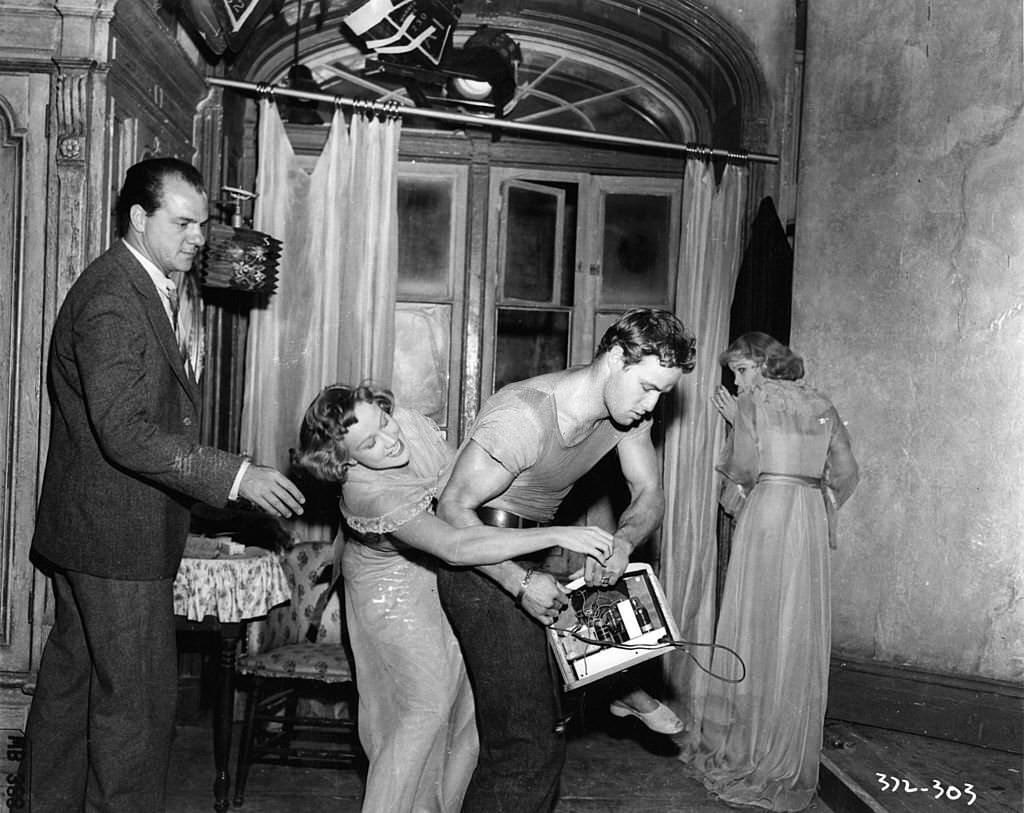
When A Streetcar Named Desire hit theaters in 1951, it arrived with the full weight of Tennessee Williams’s Pulitzer Prize-winning play behind it. Director Elia Kazan adapted the story for the screen after already staging it on Broadway, and he brought most of the original cast with him. The result was a black-and-white drama that felt nothing like a filmed stage production — it felt like a living, breathing world.
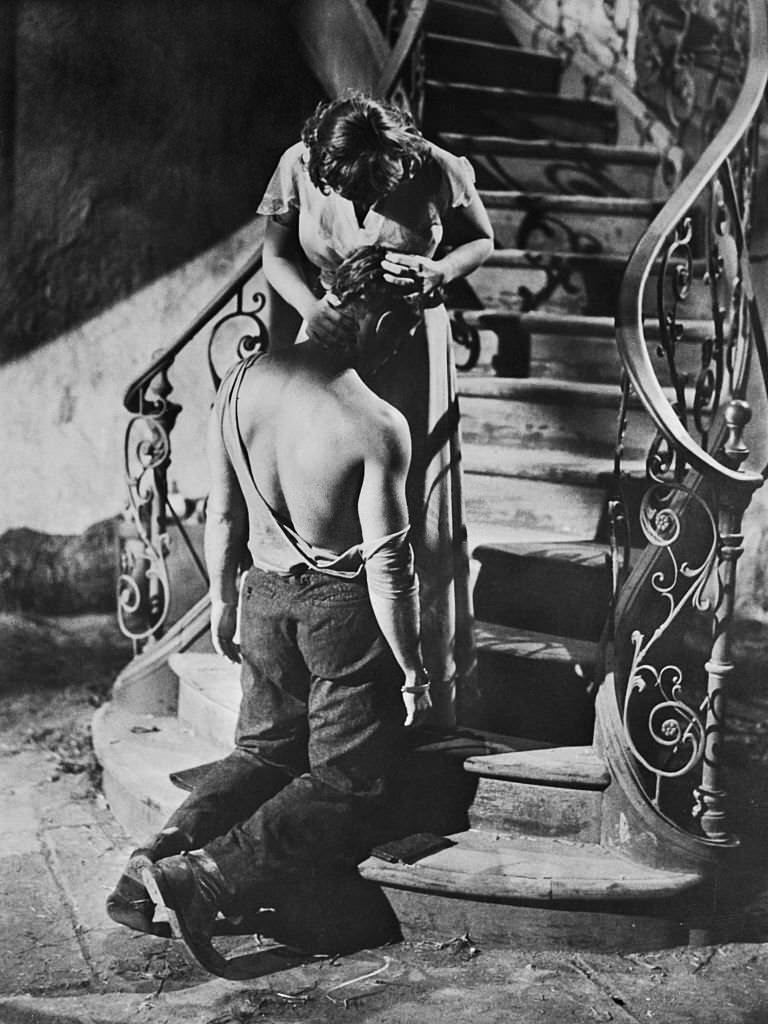
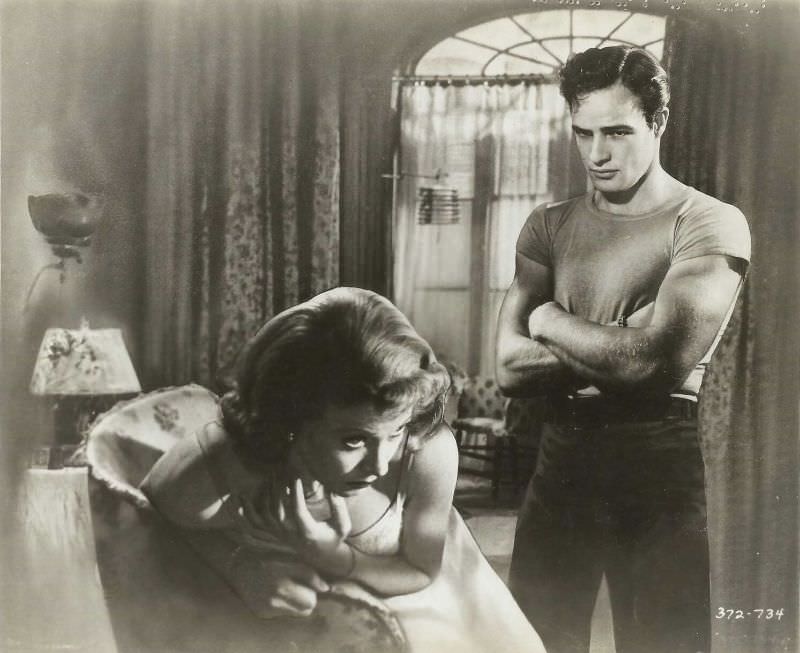
The story follows Blanche DuBois, a woman from an aristocratic Southern background who arrives at her sister Stella’s cramped New Orleans apartment after a string of personal losses. Stella lives there with her husband Stanley Kowalski, a rough, physical man who sees through Blanche from the start. The apartment becomes a pressure cooker as Blanche’s fragile sense of dignity collides repeatedly with Stanley’s raw aggression.
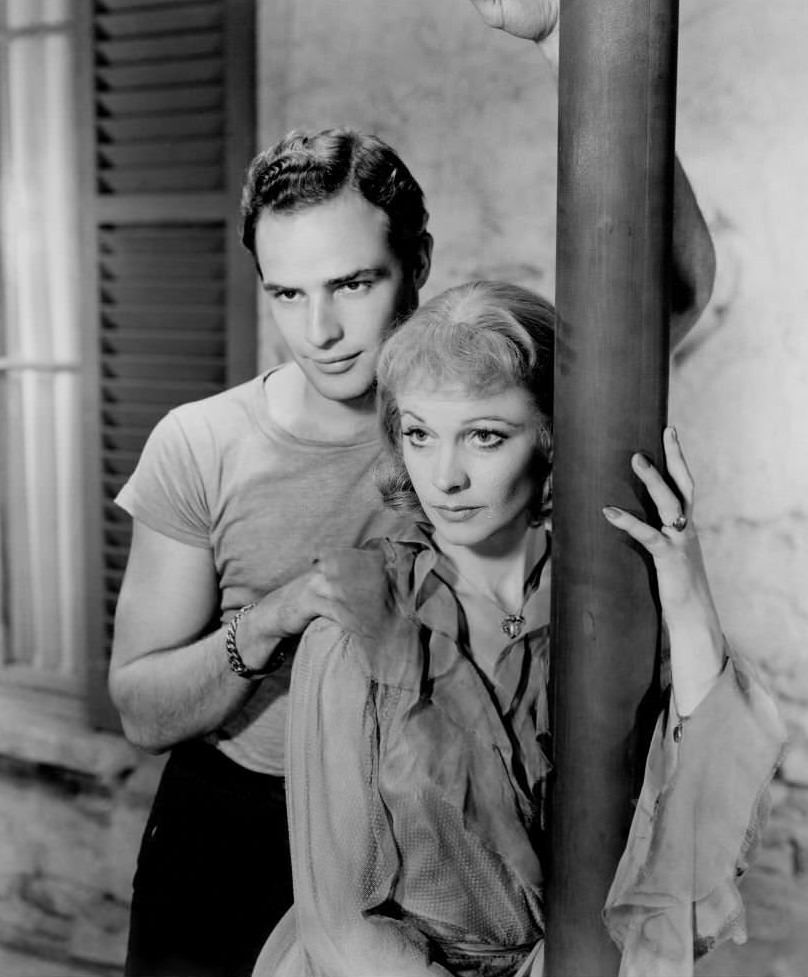
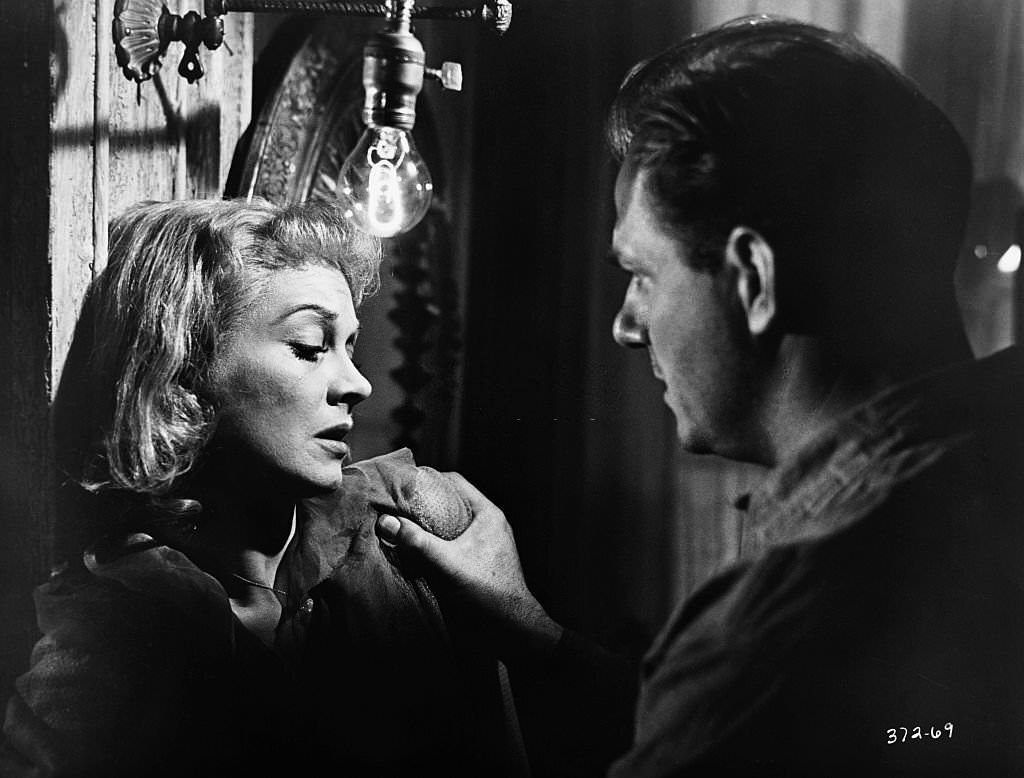
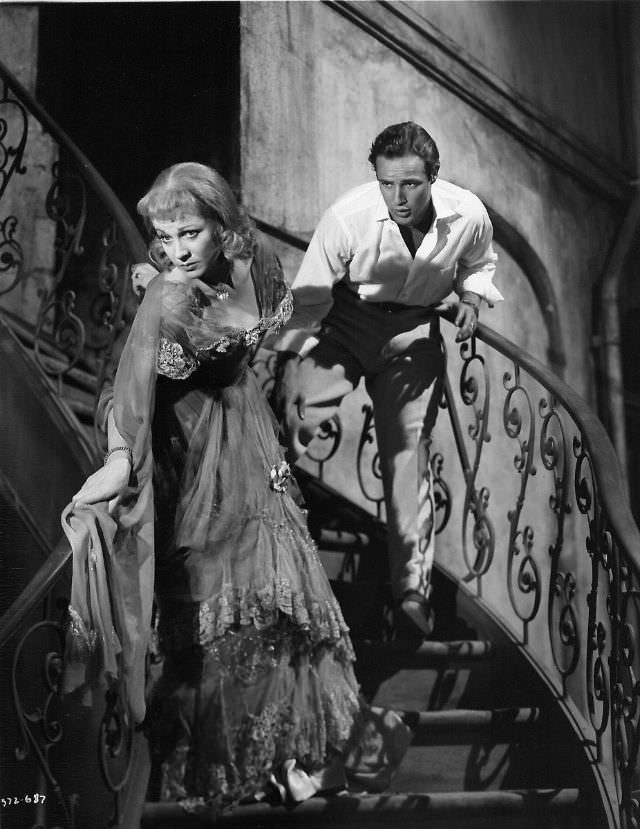
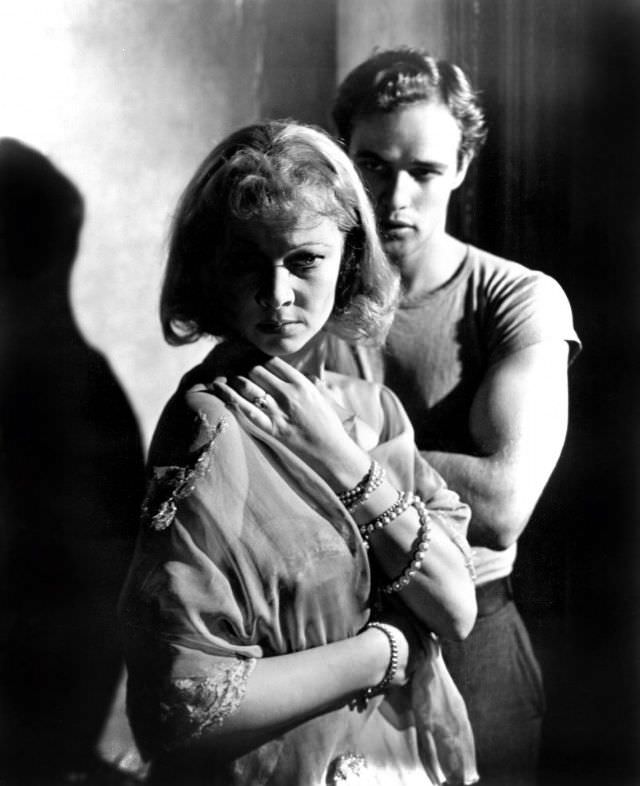
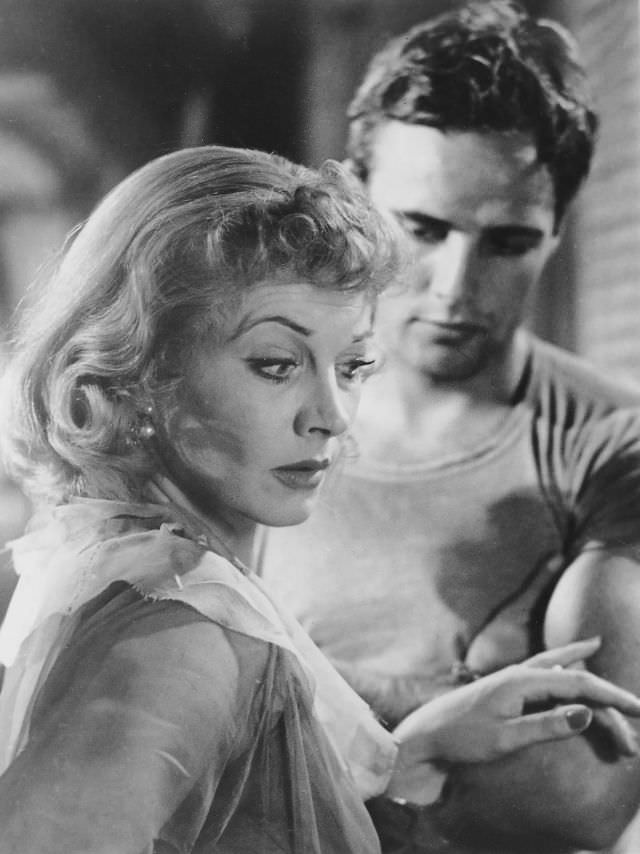
Kazan worked on the screenplay alongside Tennessee Williams and Oscar Saul, keeping the story’s psychological depth intact while reshaping it for the camera. His direction is one of the film’s great achievements. He shoots the cramped apartment as though the walls are always closing in. The air feels thick. Every close-up lands with force, and the lighting shifts subtly to reflect each character’s emotional state — most noticeably in scenes with Blanche, where small changes in light reveal her age and exhaustion in ways that dialogue alone never could.
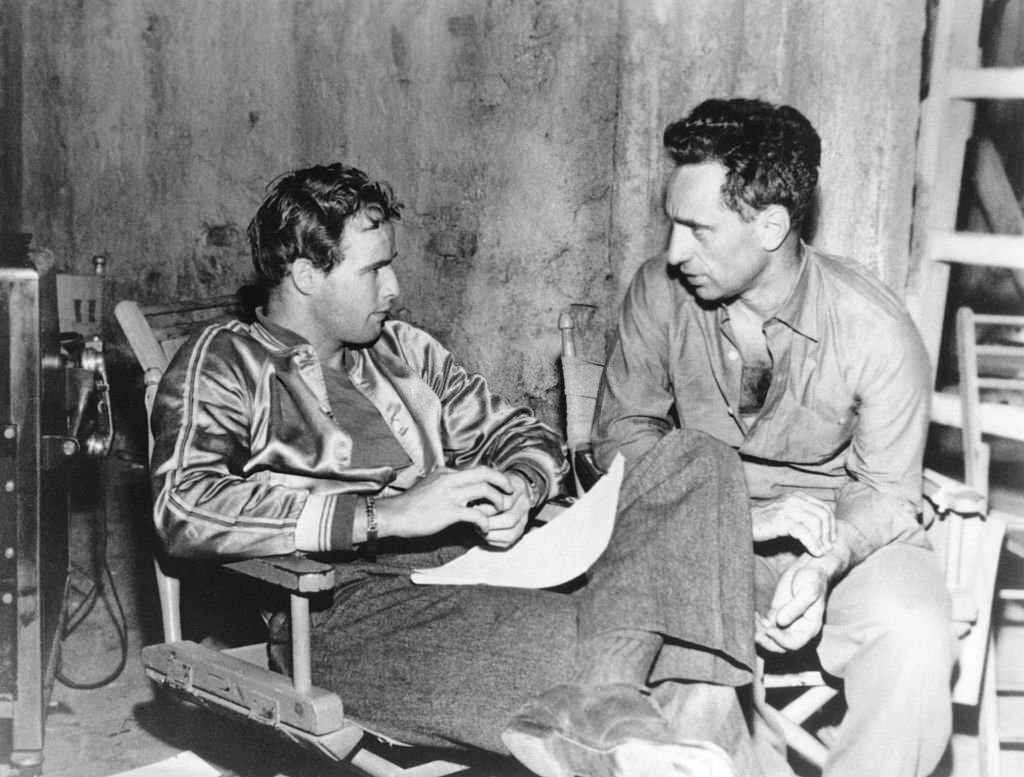
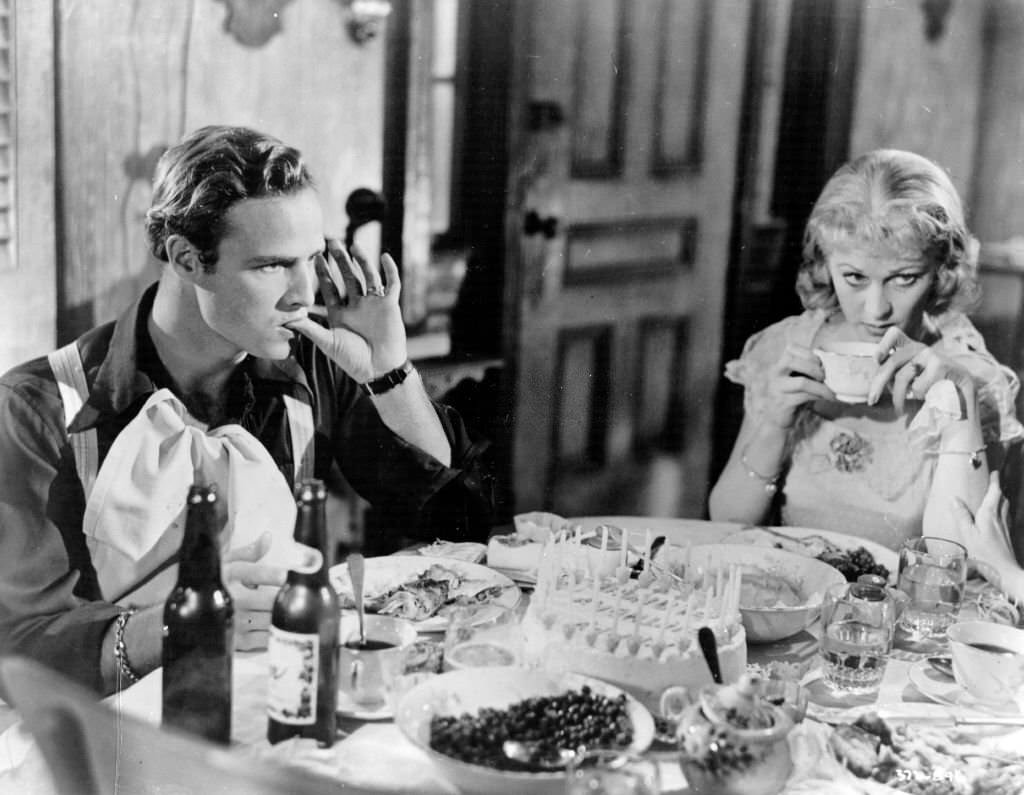
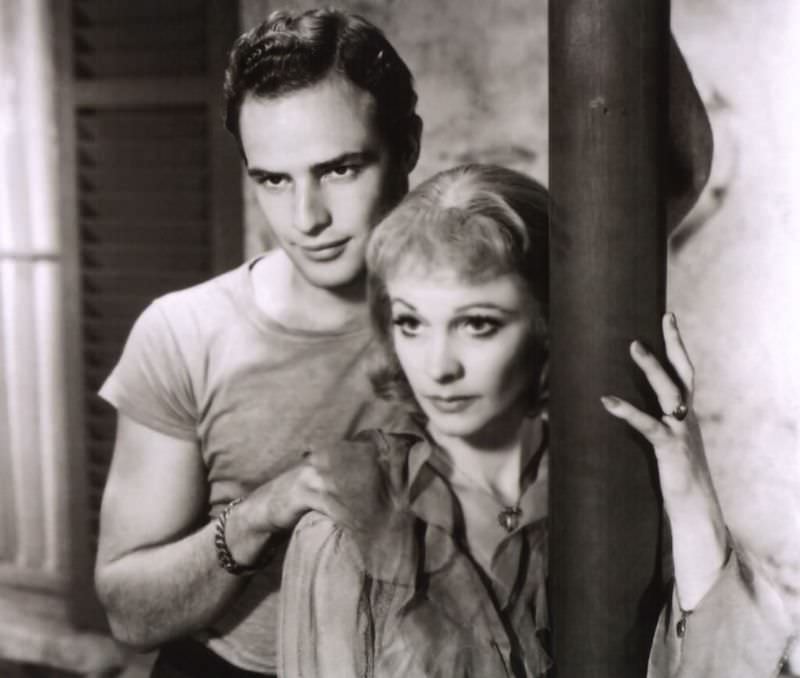
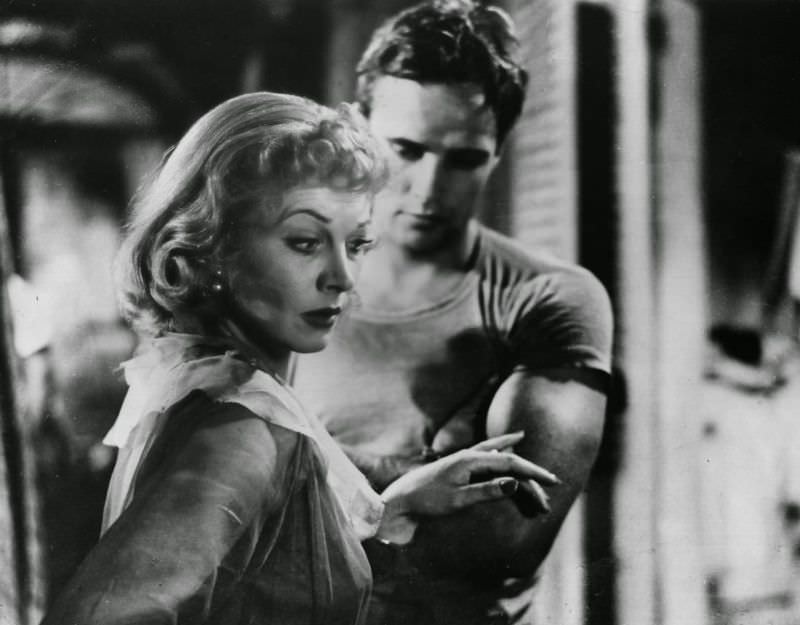
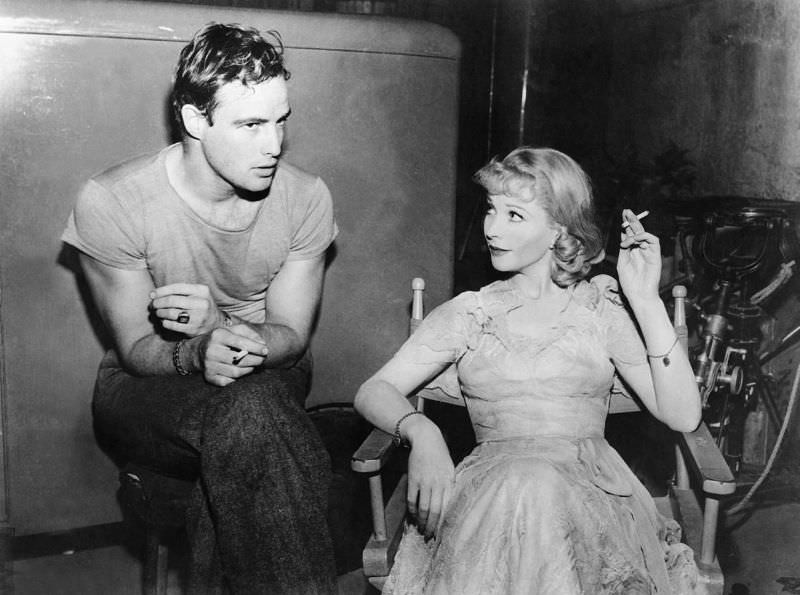
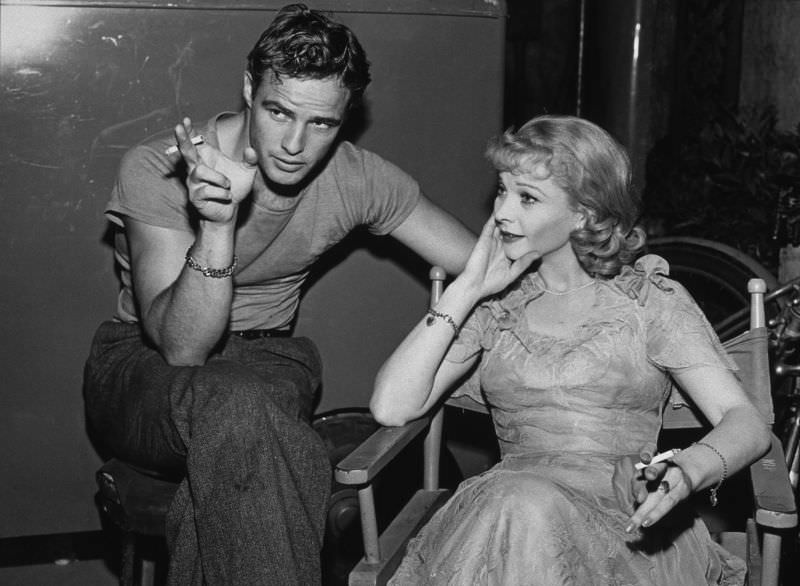
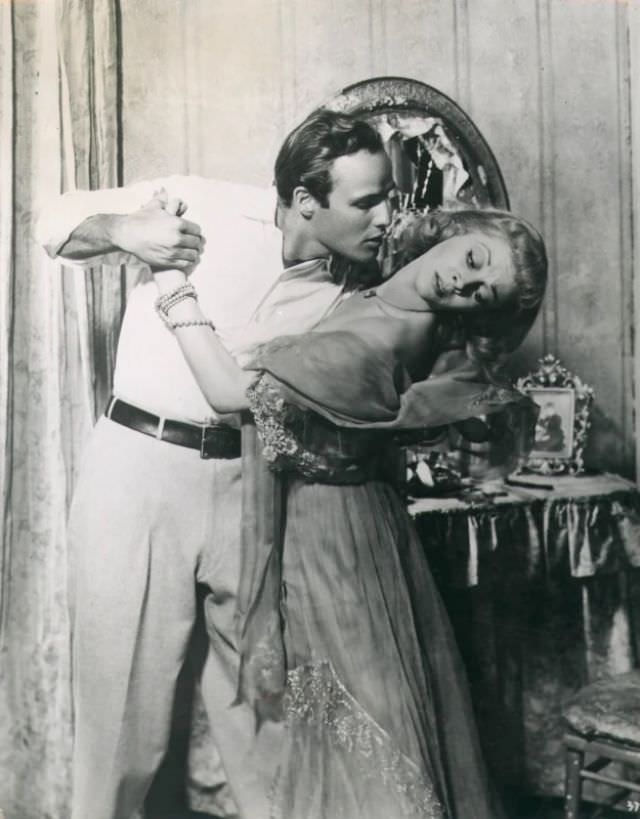
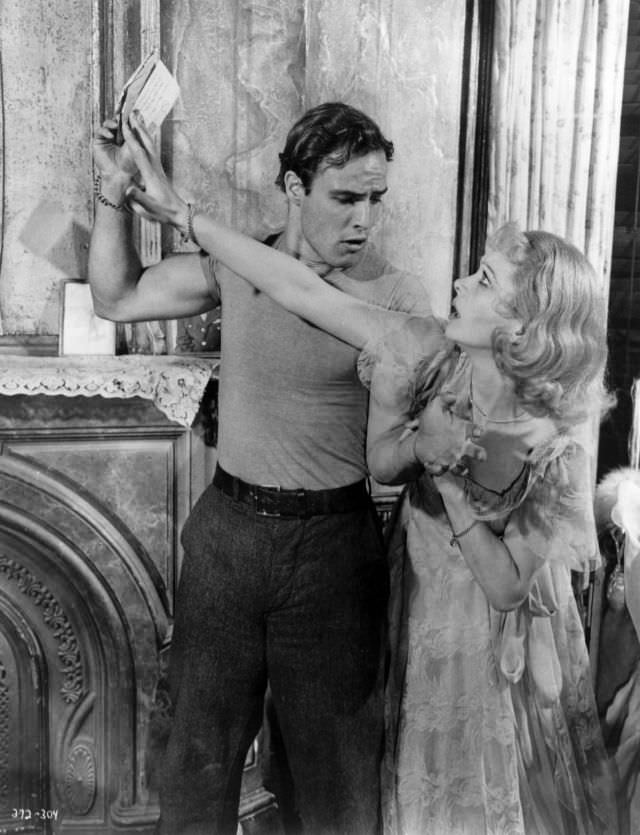
Vivien Leigh plays Blanche DuBois, a role originated on Broadway by Jessica Tandy. Leigh was cast for the film largely because of her massive star power, particularly from the London stage production. She was the right choice. Leigh captures Blanche’s contradictions without ever making them seem forced — proper yet unstable, confident yet desperate, beautiful one moment and visibly worn the next. Her performance earned her the Academy Award for Best Actress.
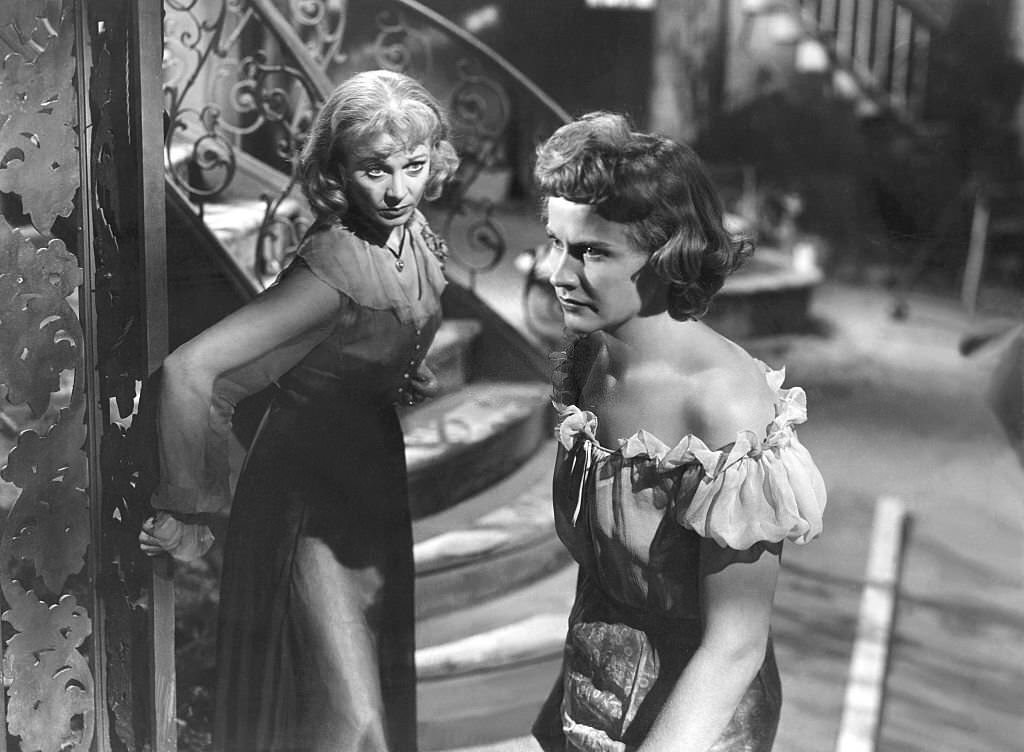
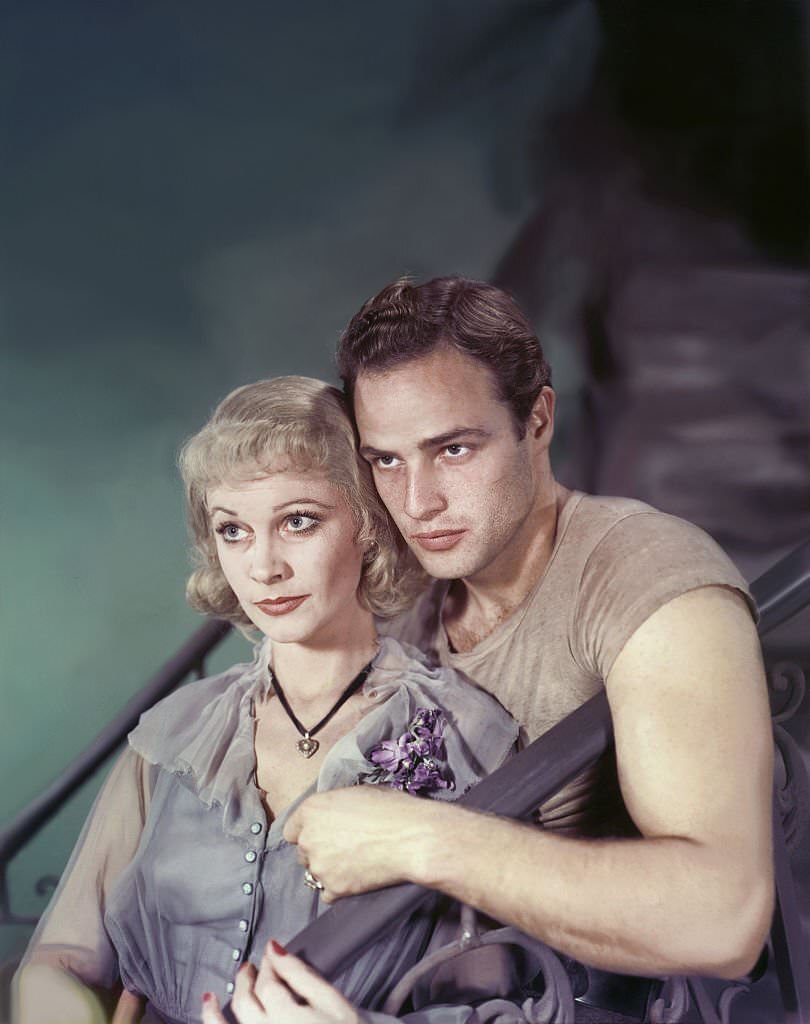
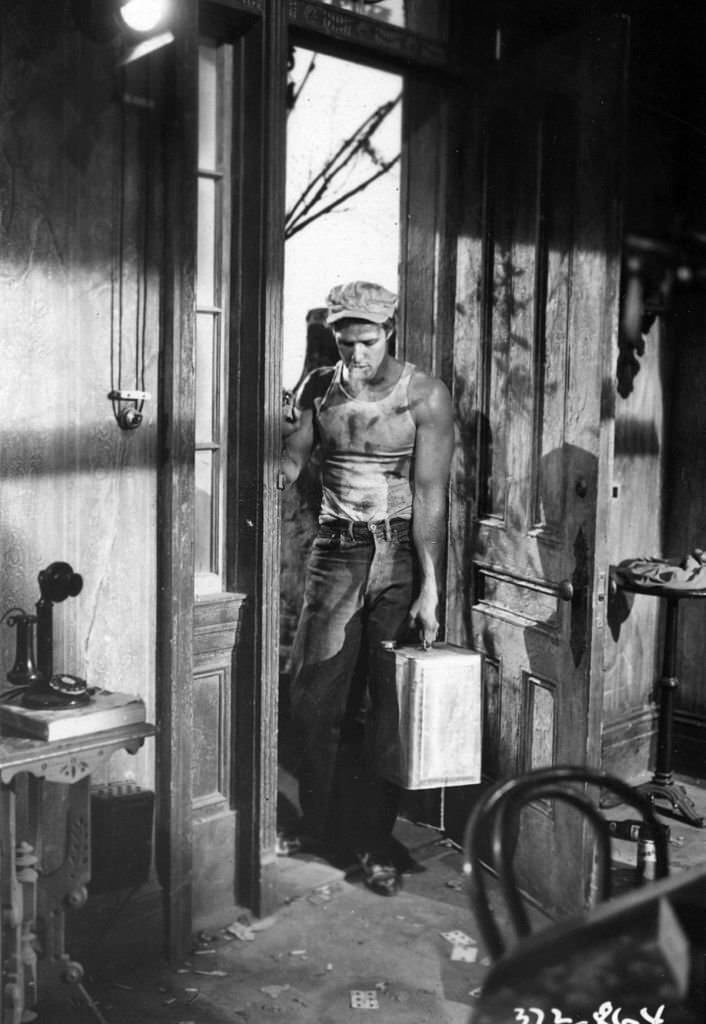
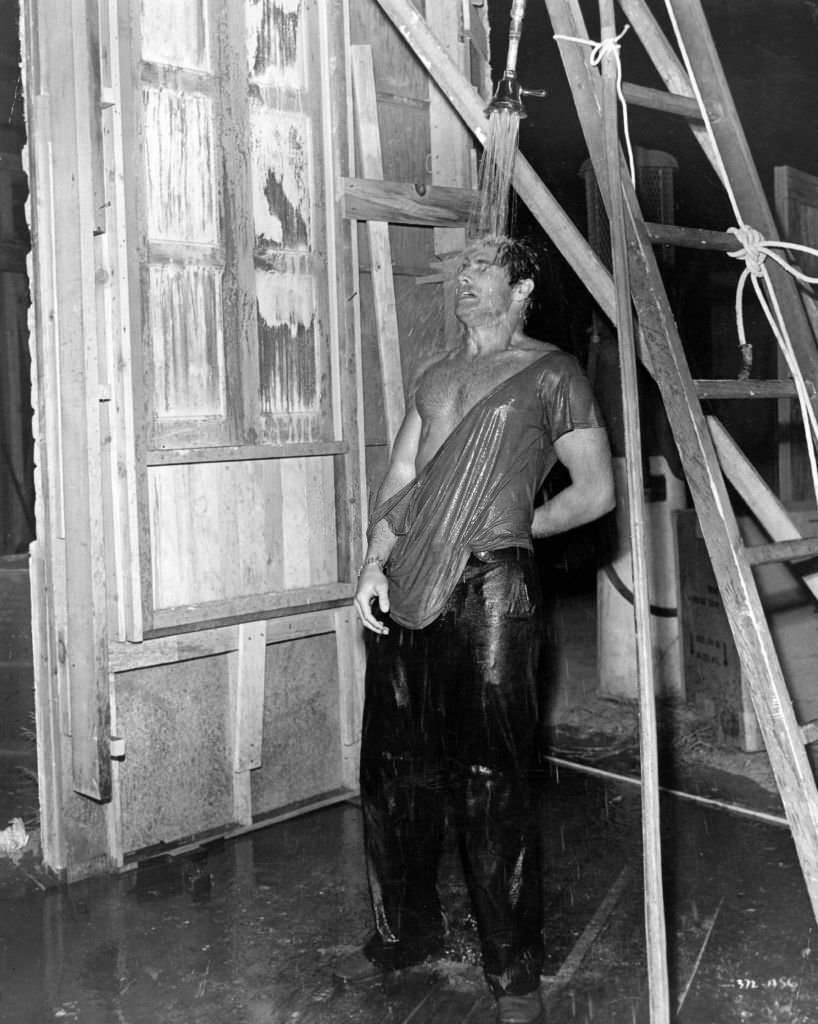
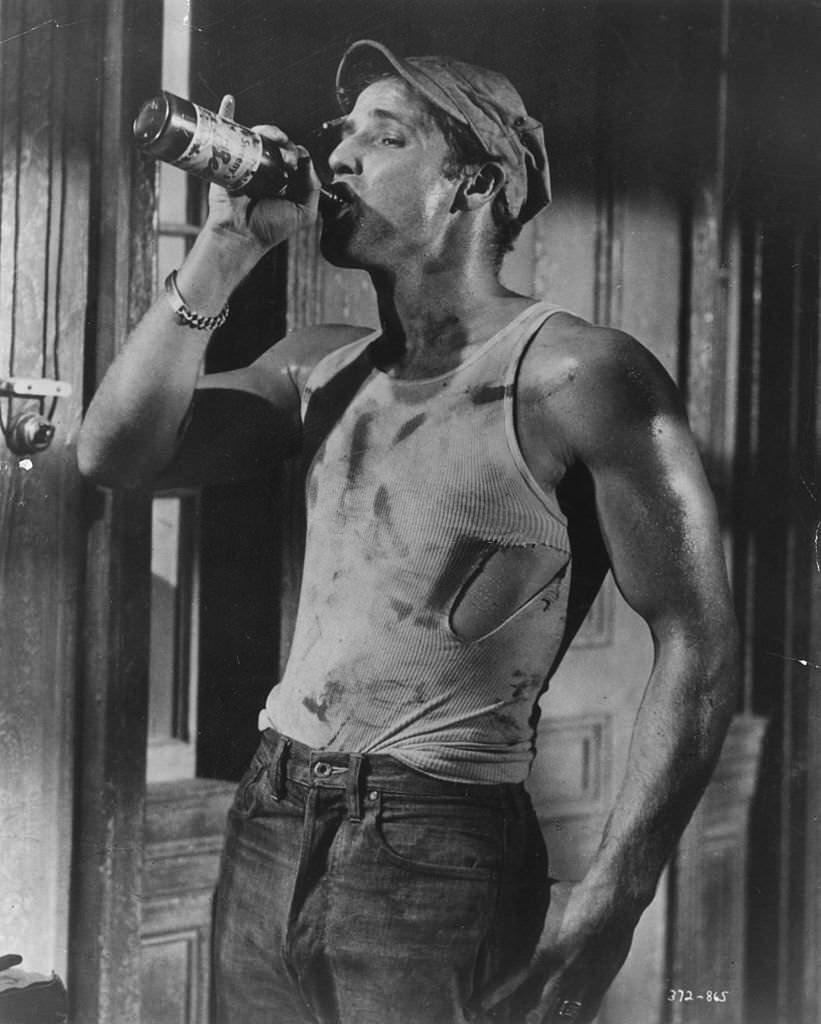
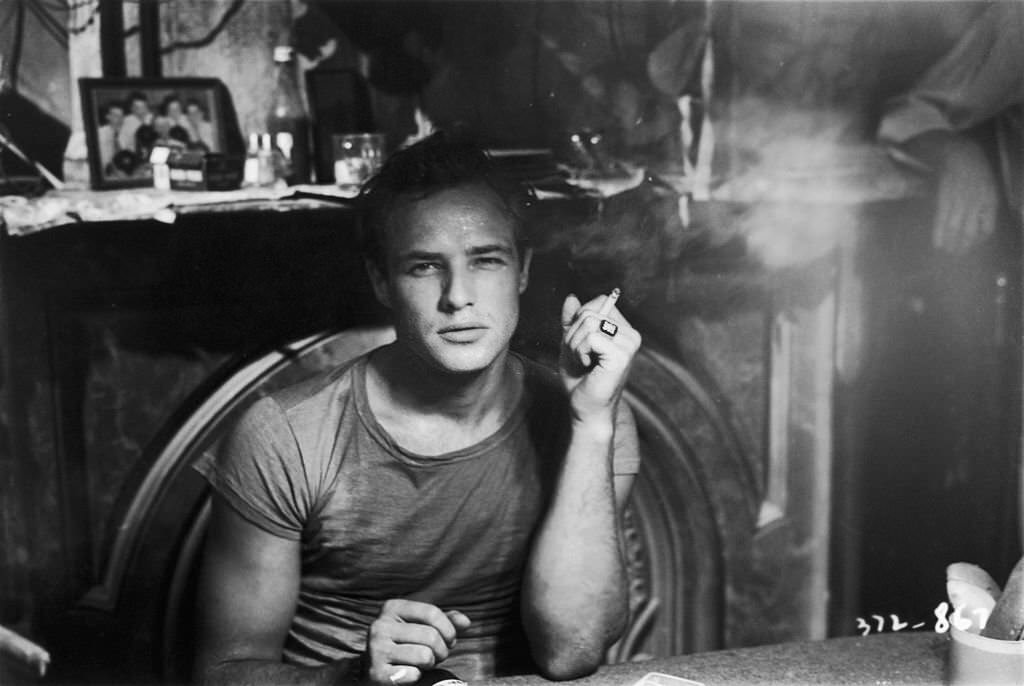
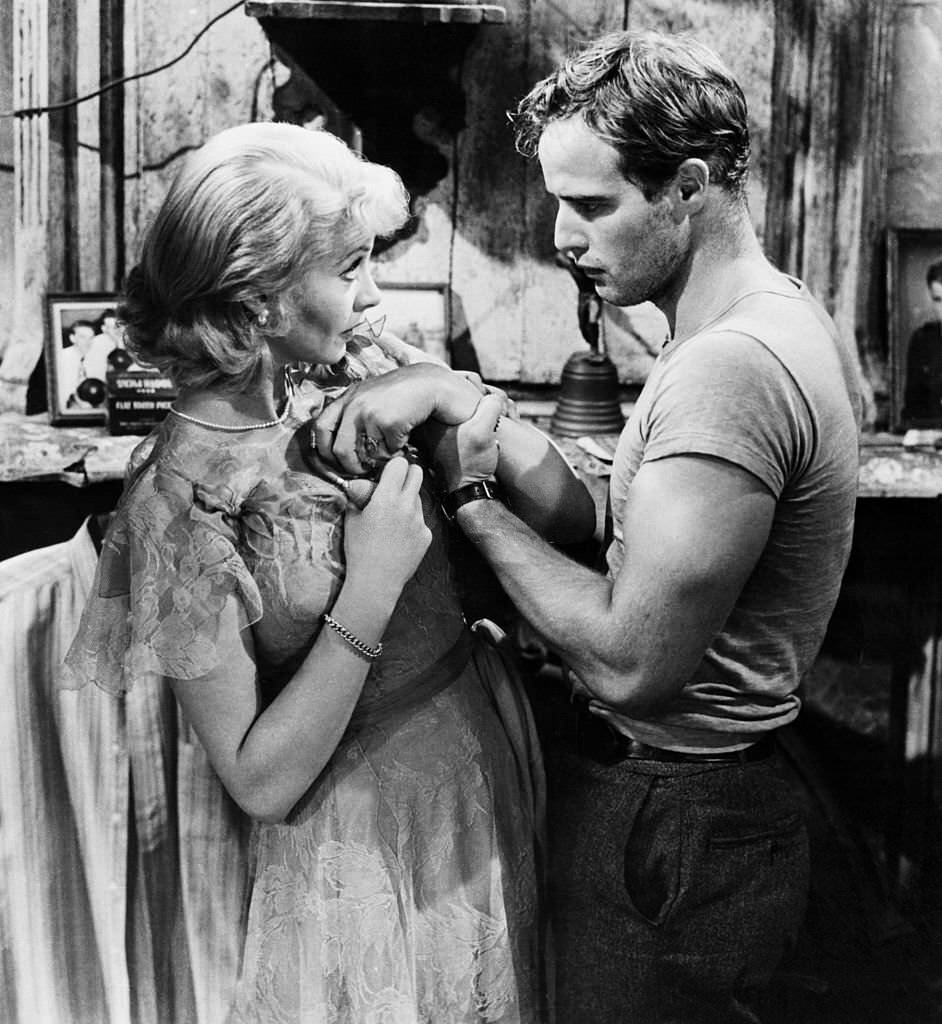
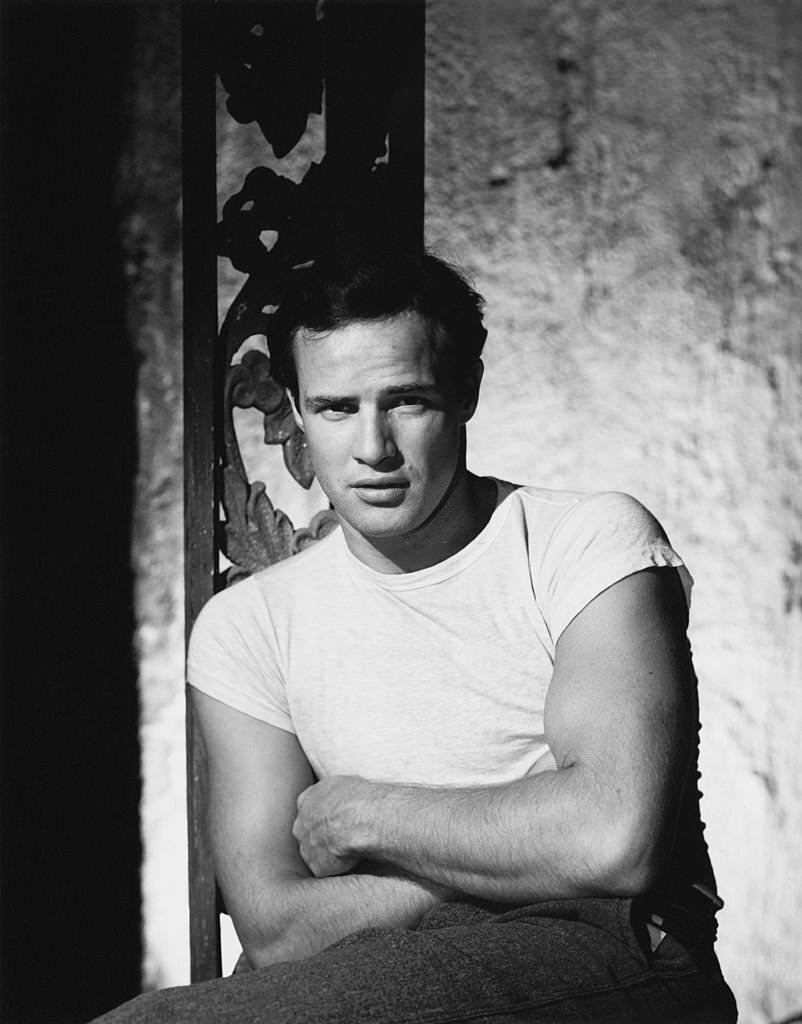
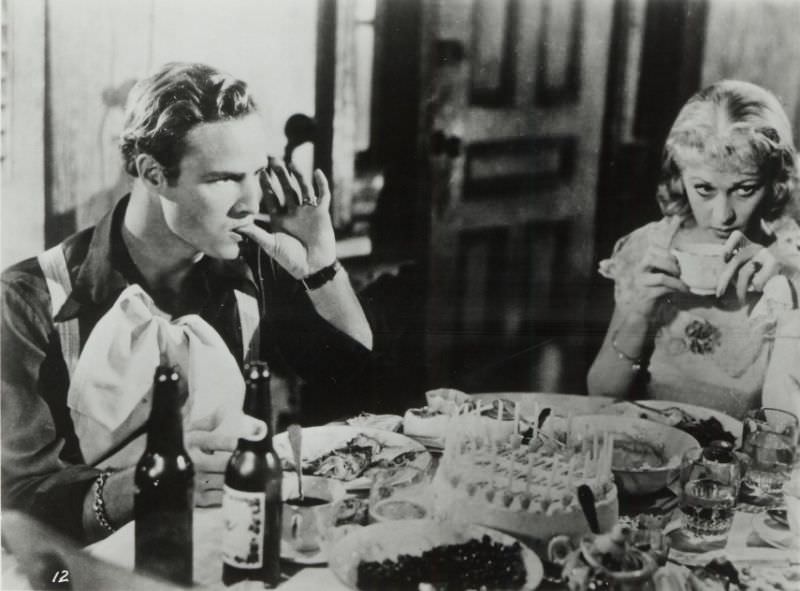
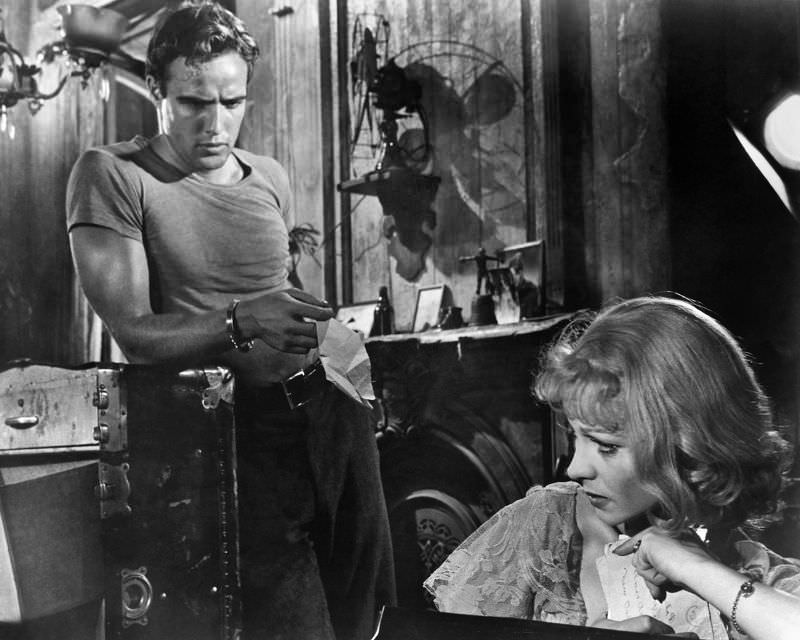
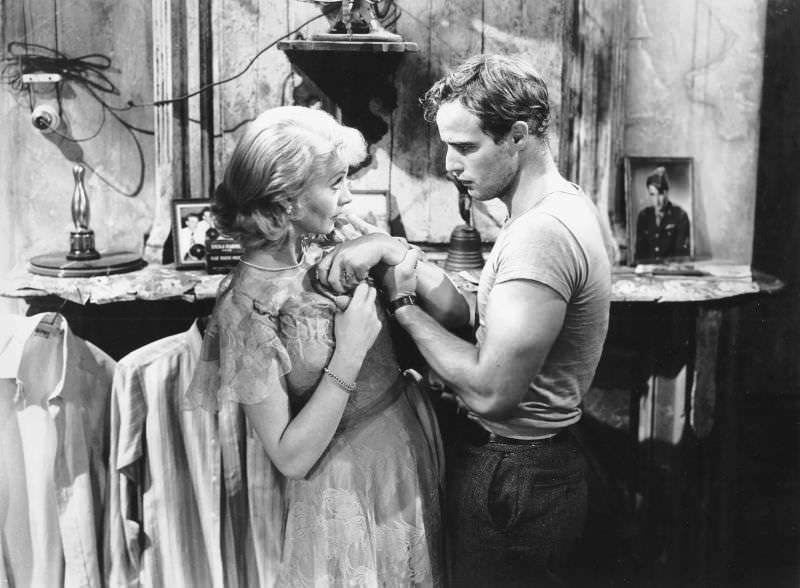
Marlon Brando’s Stanley Kowalski is one of the most commanding screen performances ever recorded. His torn T-shirt became a cultural symbol of masculinity, and his brooding silences and bursts of mumbled dialogue established a new style of screen acting. There are scenes where Brando does almost nothing — no big speech, no dramatic gesture — yet the camera stays on him because his presence alone demands attention. Blanche fears him, and so does the audience.
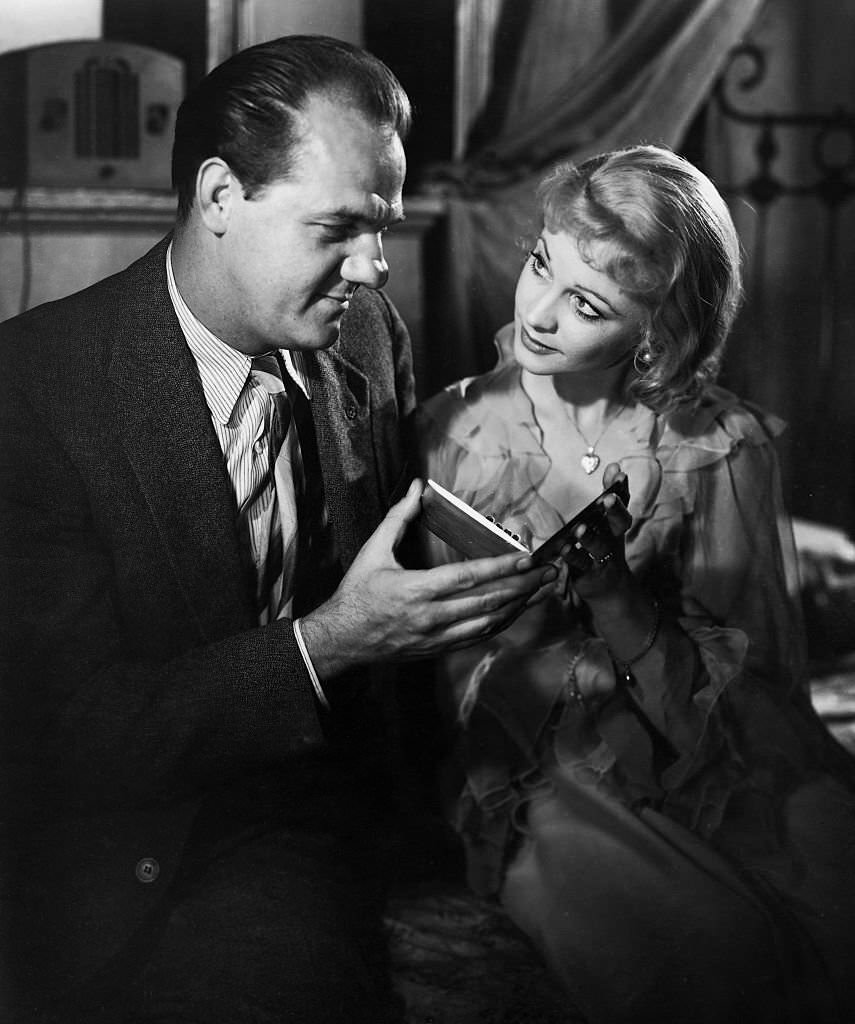
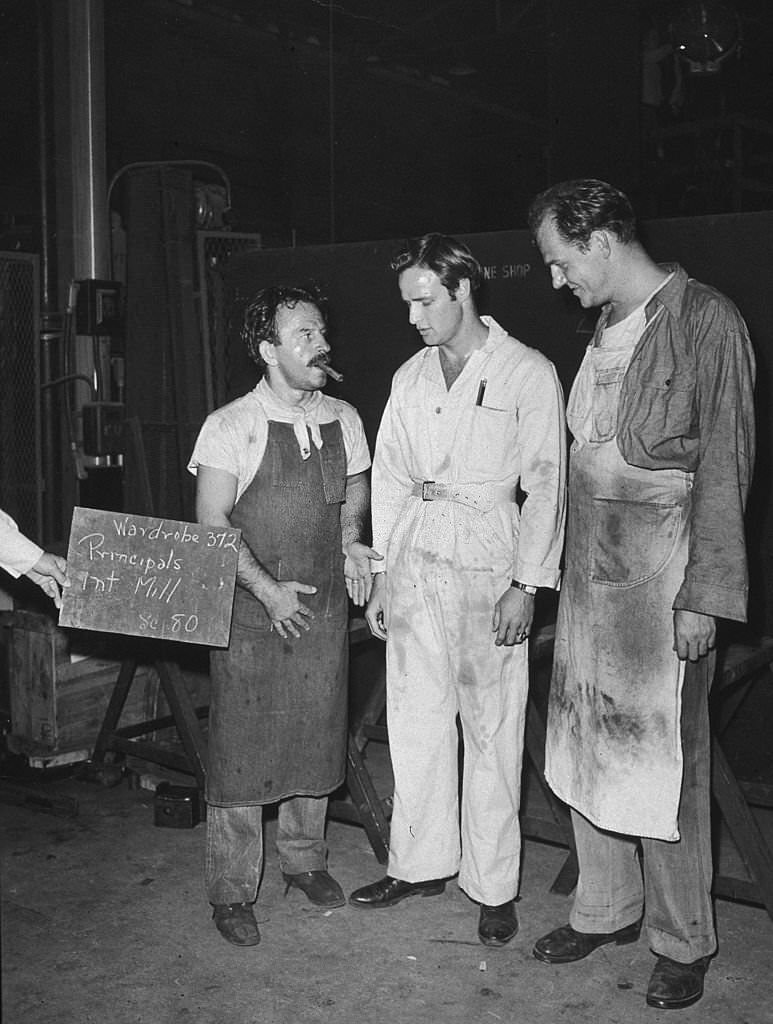
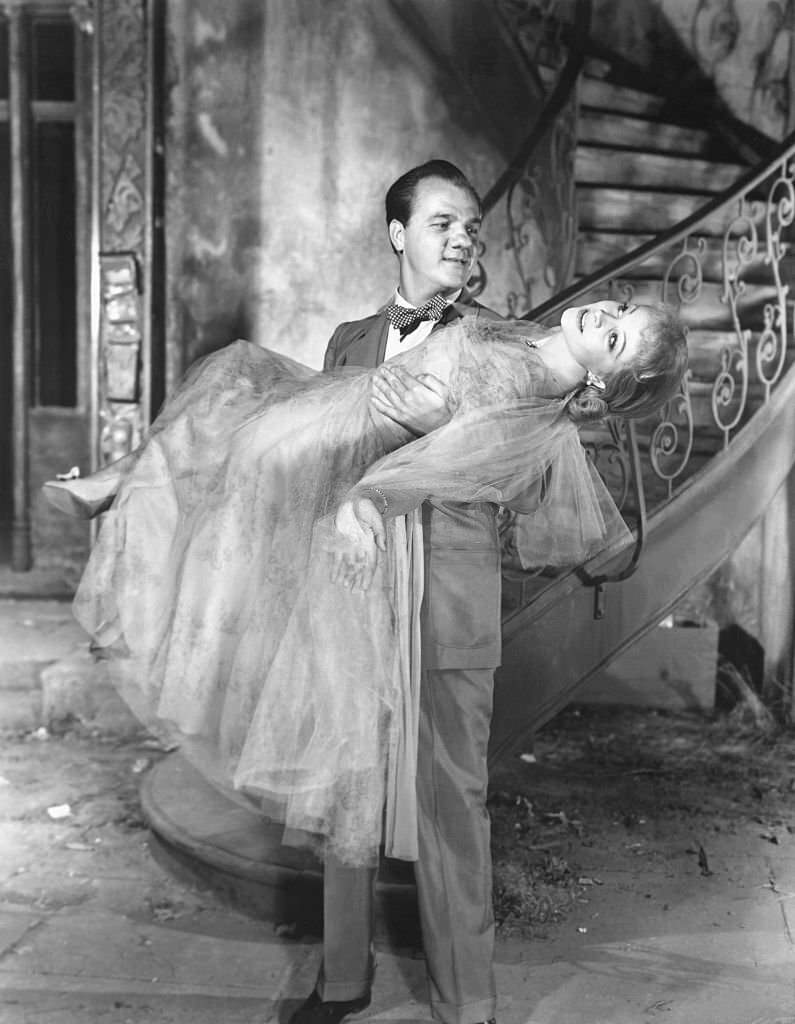
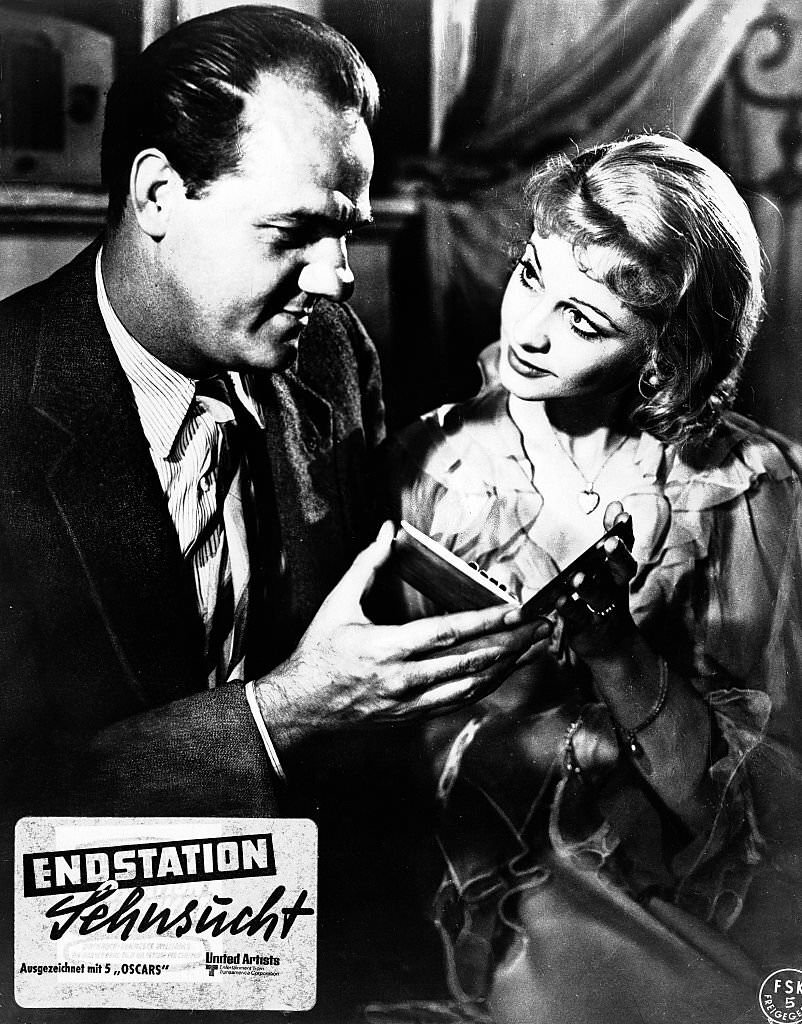
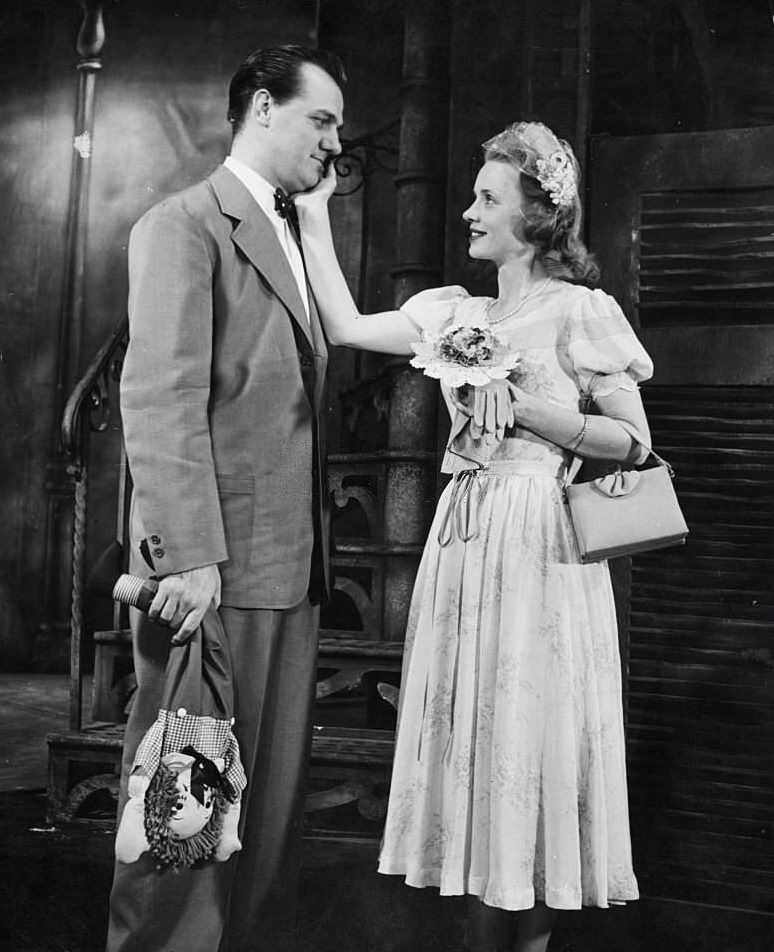
Karl Malden plays Mitch, Stanley’s friend and Blanche’s would-be romantic interest. He starts out as something of a comic figure — a man trying hard to be a gentleman while his rougher instincts keep showing through. As the story progresses, his frustration and anger become genuine and unsettling. Malden’s supporting role was precise and fully realized, and he won the Academy Award for Best Supporting Actor.
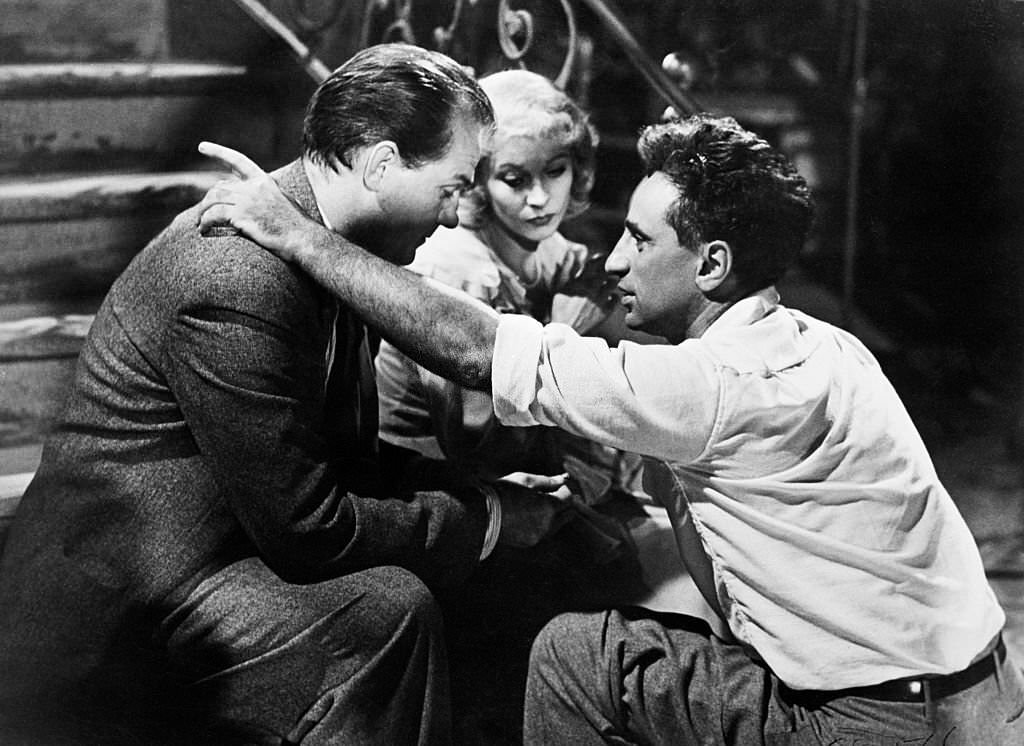
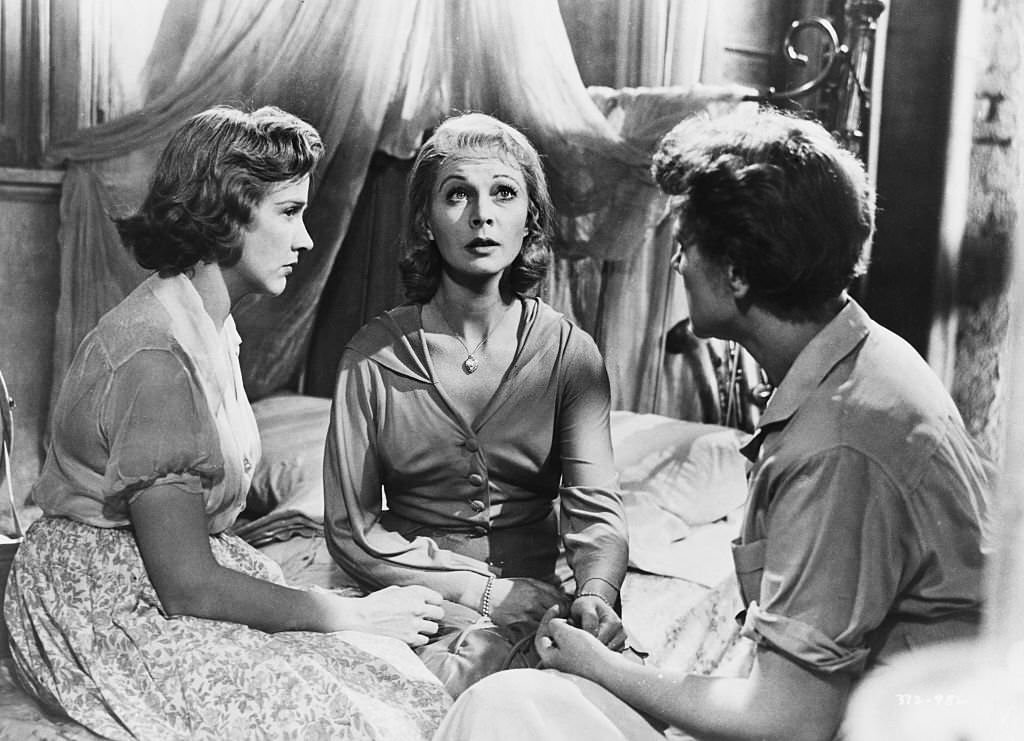
Kim Hunter plays Stella, the sister caught between her love for Blanche and her life with Stanley. Hunter’s performance is strong and emotionally grounded, though she is frequently pulled into the background by the sheer force of Leigh and Brando sharing the screen. She too won the Academy Award for Best Supporting Actress, a recognition of how well she held her own in scenes that easily could have belonged entirely to her co-stars.
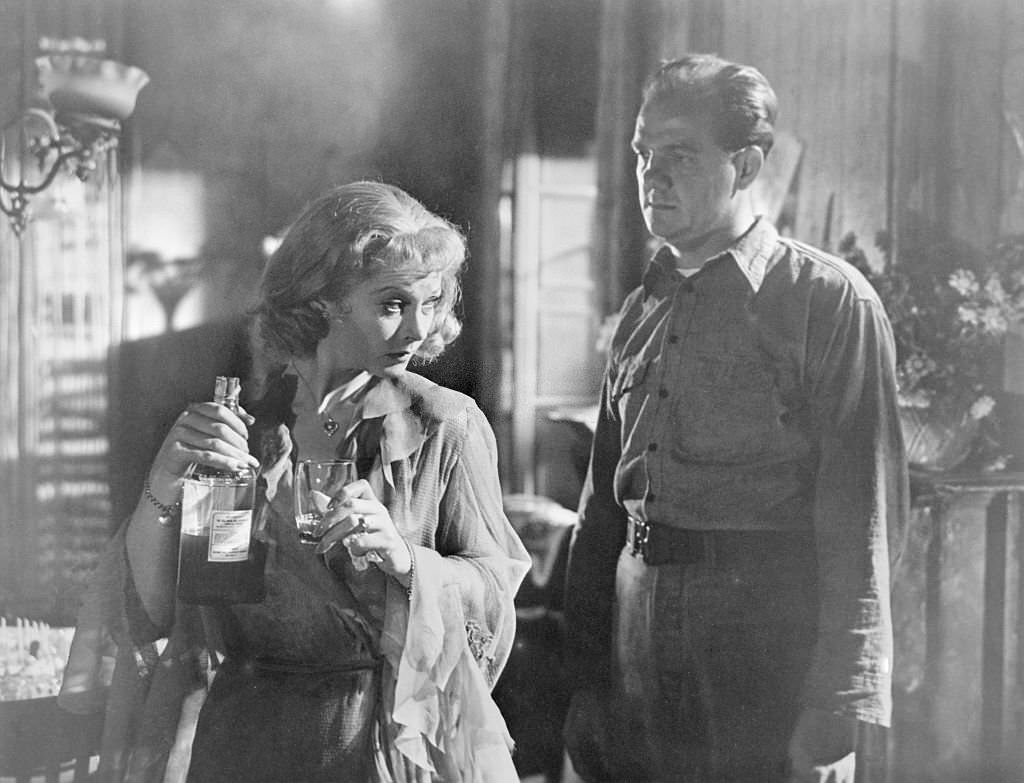

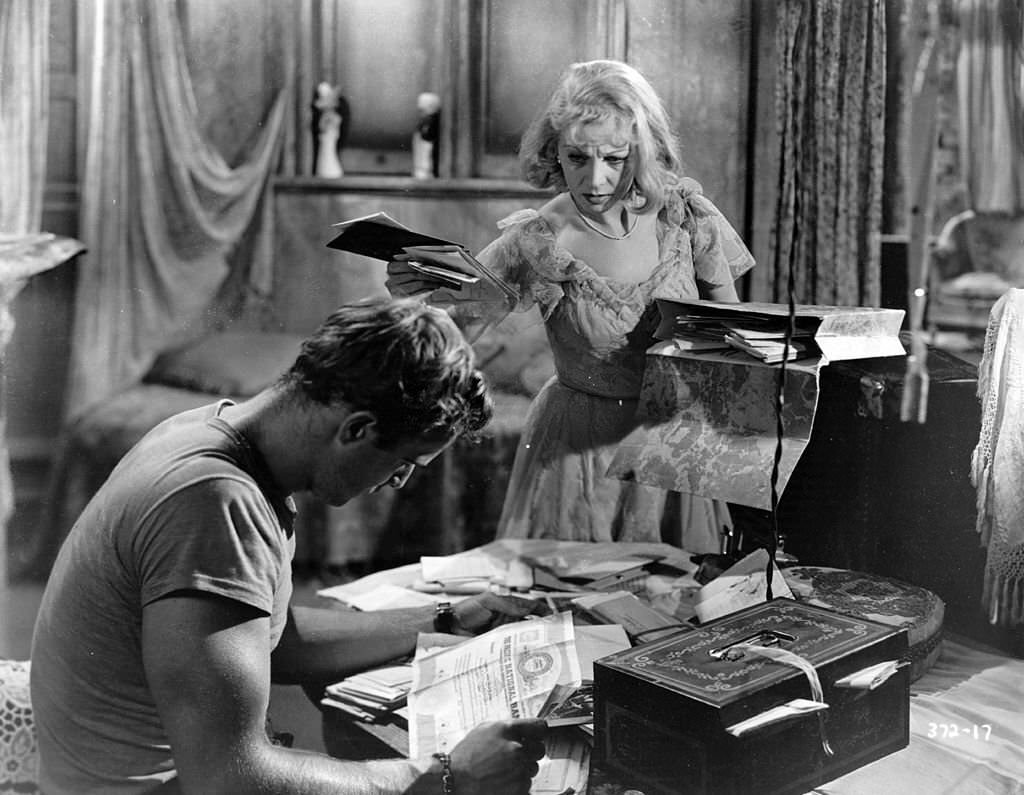
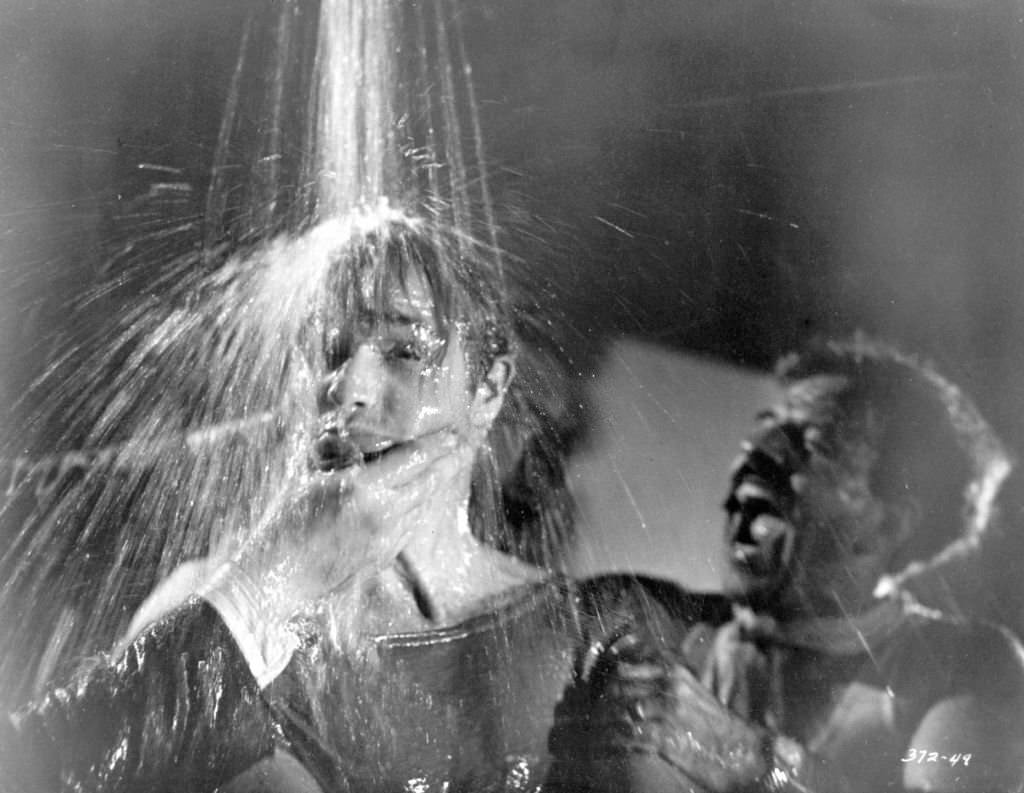
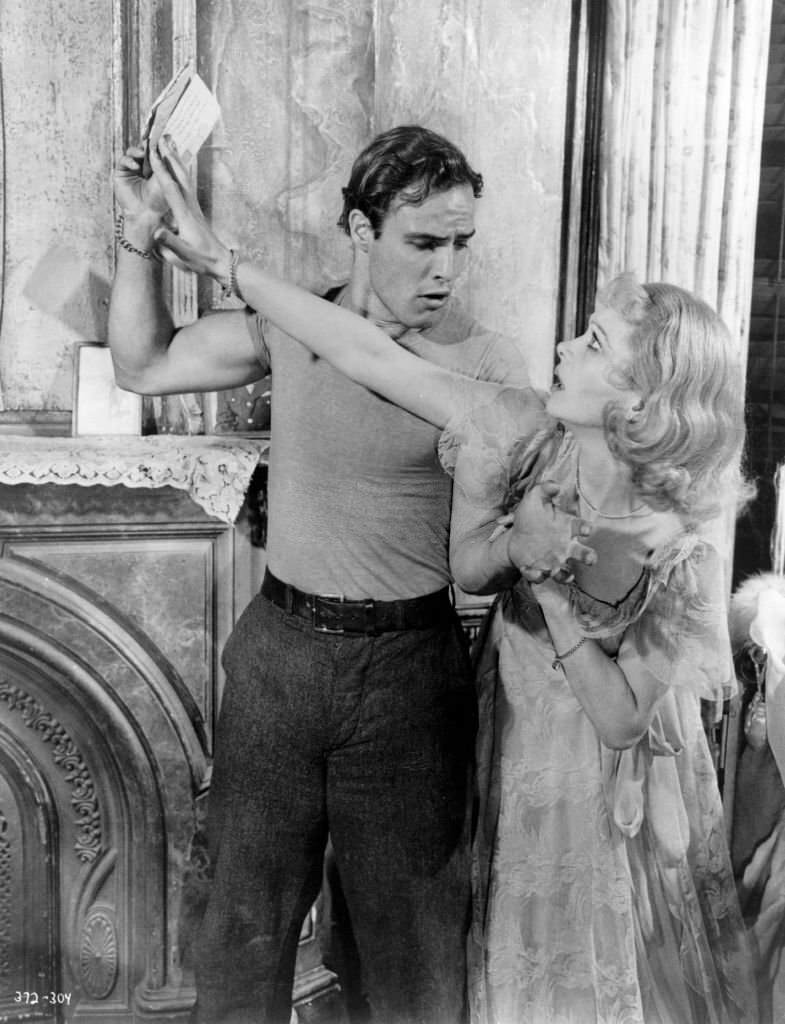
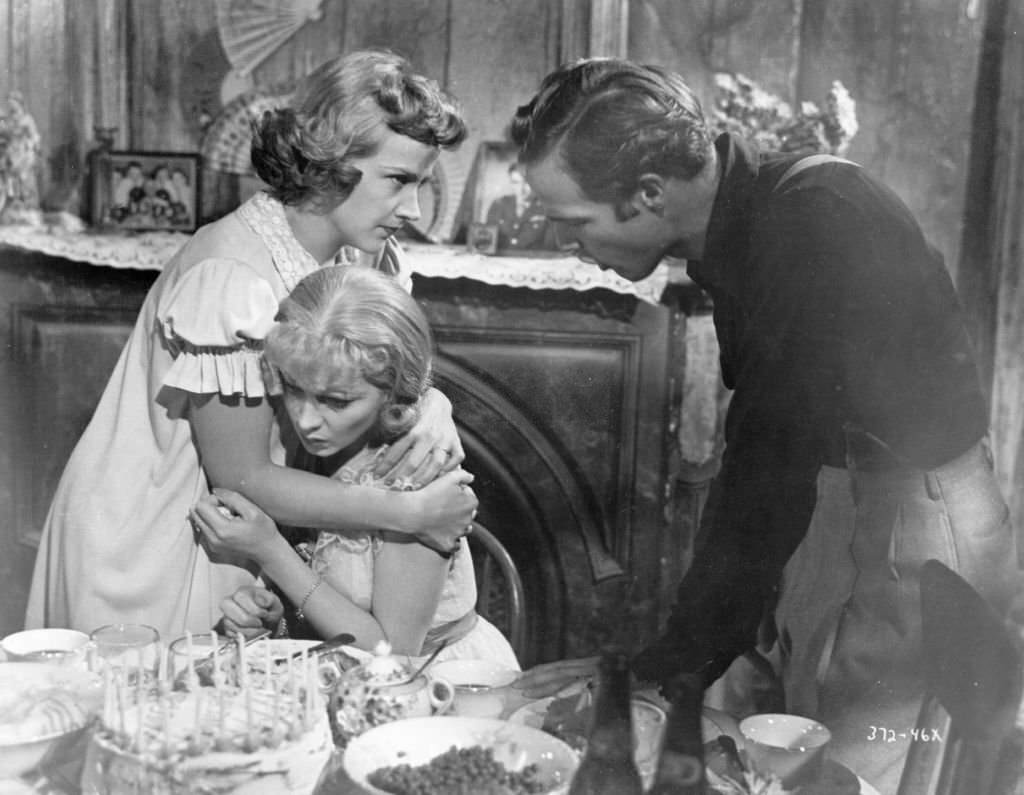
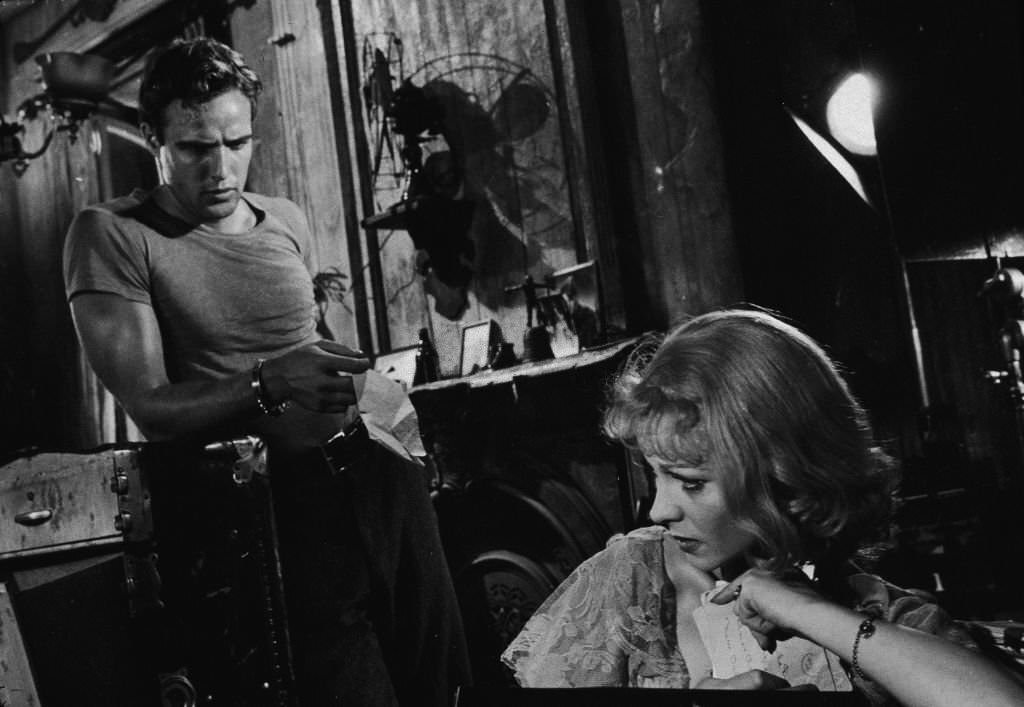
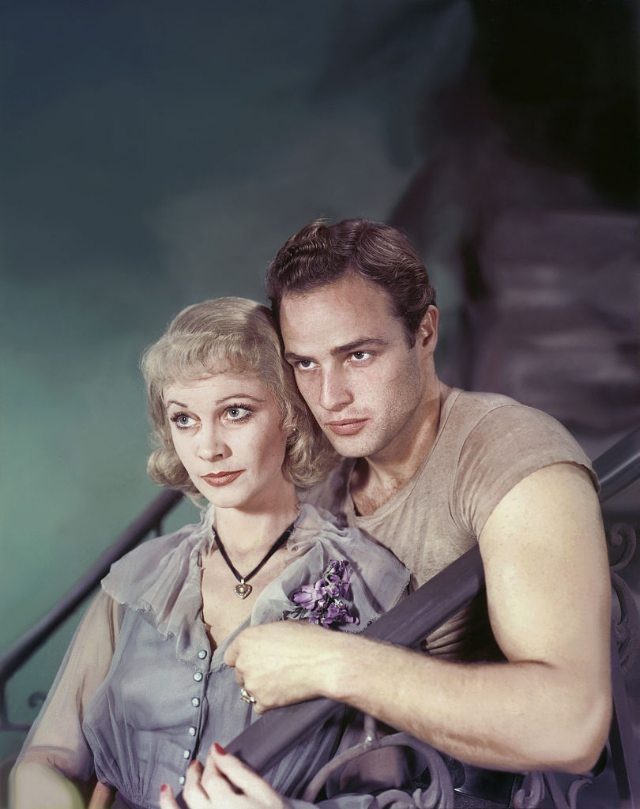
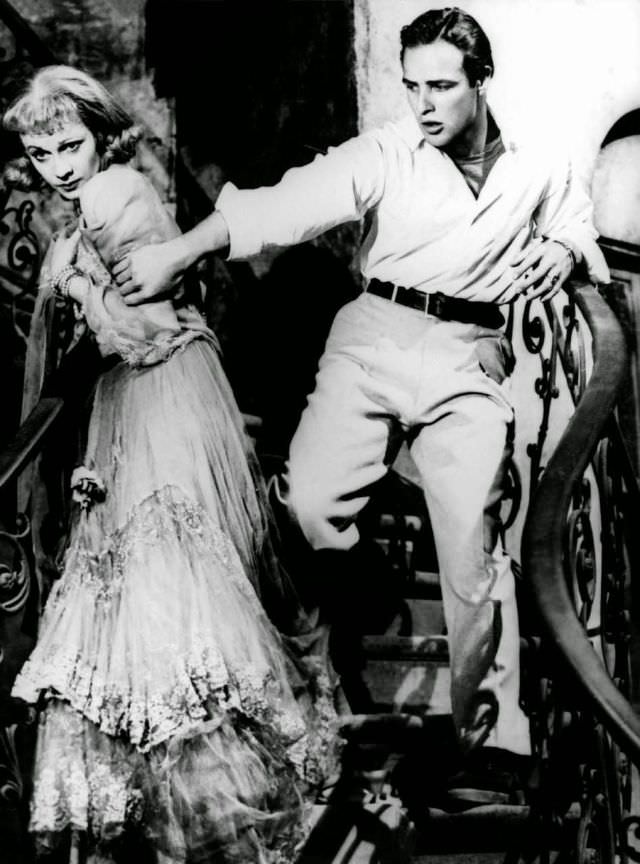
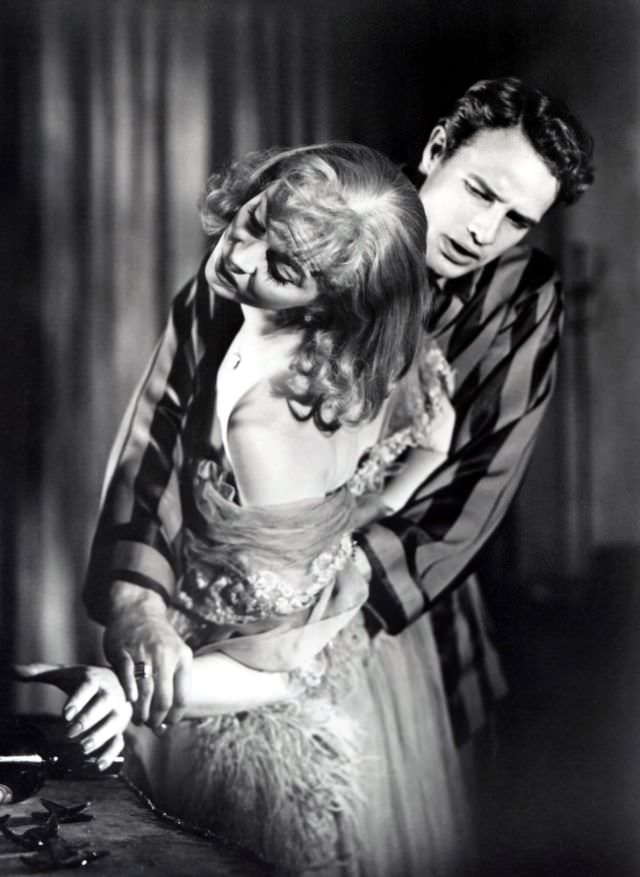
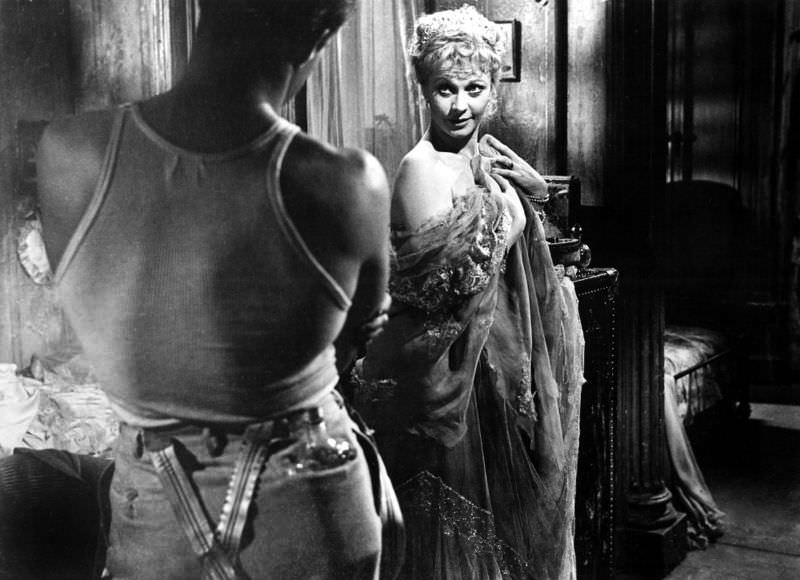
When Leigh and Brando appear together on screen, the tension is immediate. Their scenes together are a constant power struggle, with Blanche trying to maintain her carefully constructed image while Stanley dismantles it piece by piece. Neither actor overplays the conflict — the restraint makes it more uncomfortable to watch.
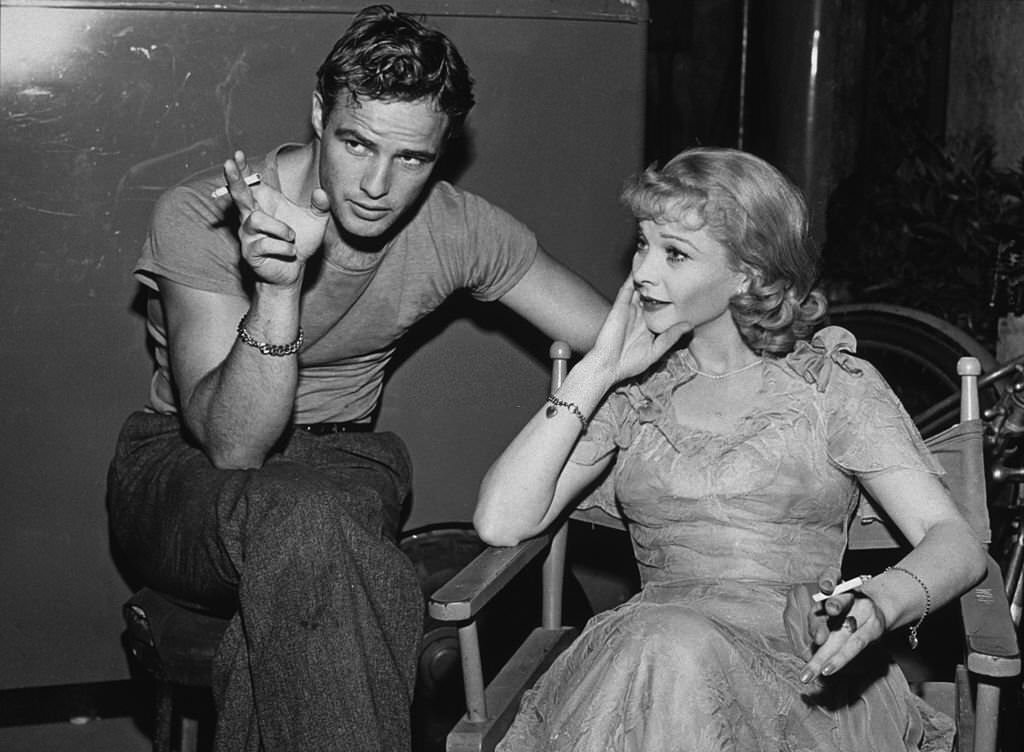
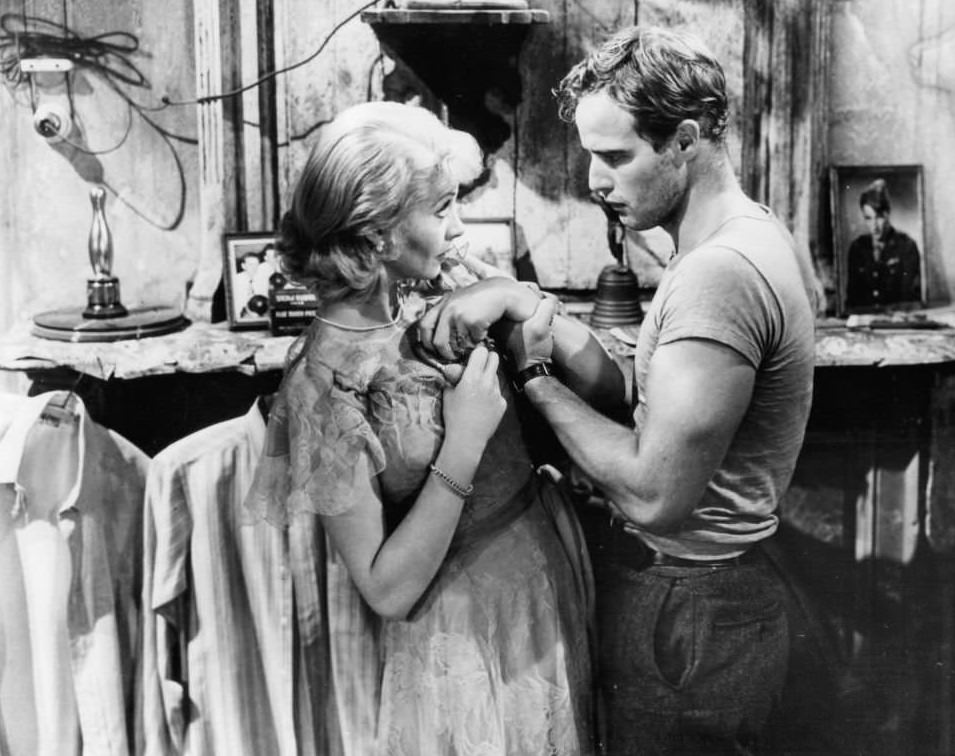
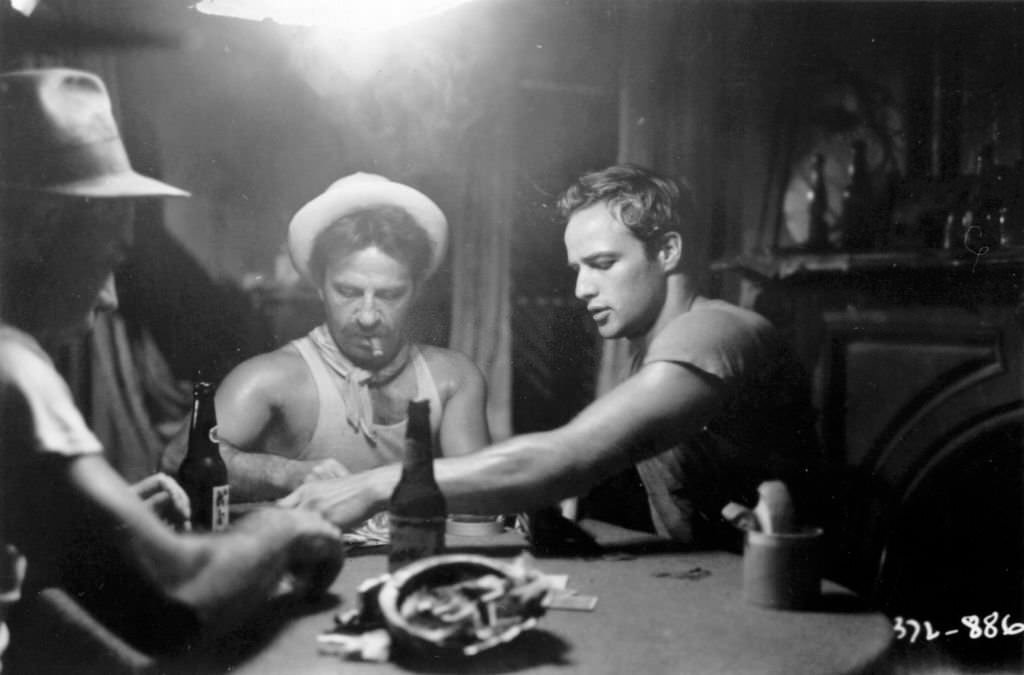
The film’s atmosphere is built with a minimal set — essentially a single apartment building in a humid New Orleans neighborhood. Kazan uses this tight space to generate claustrophobia. The heat, the noise of the street, the cramped rooms — all of it adds pressure that never lets up throughout the film.
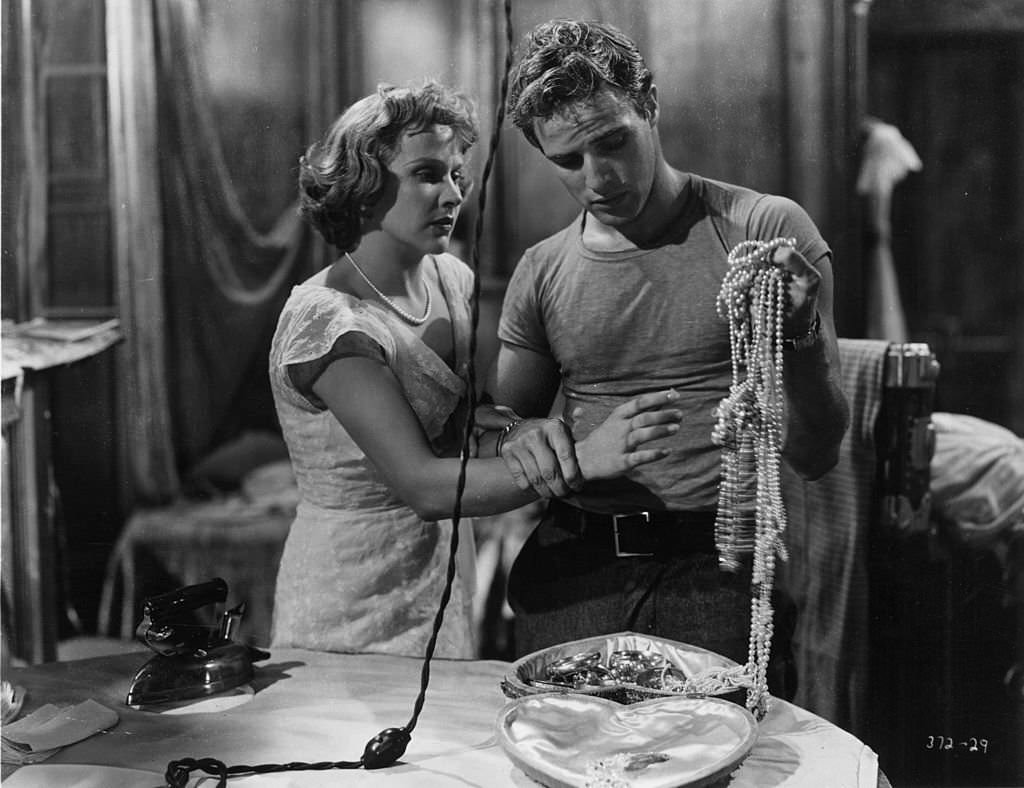
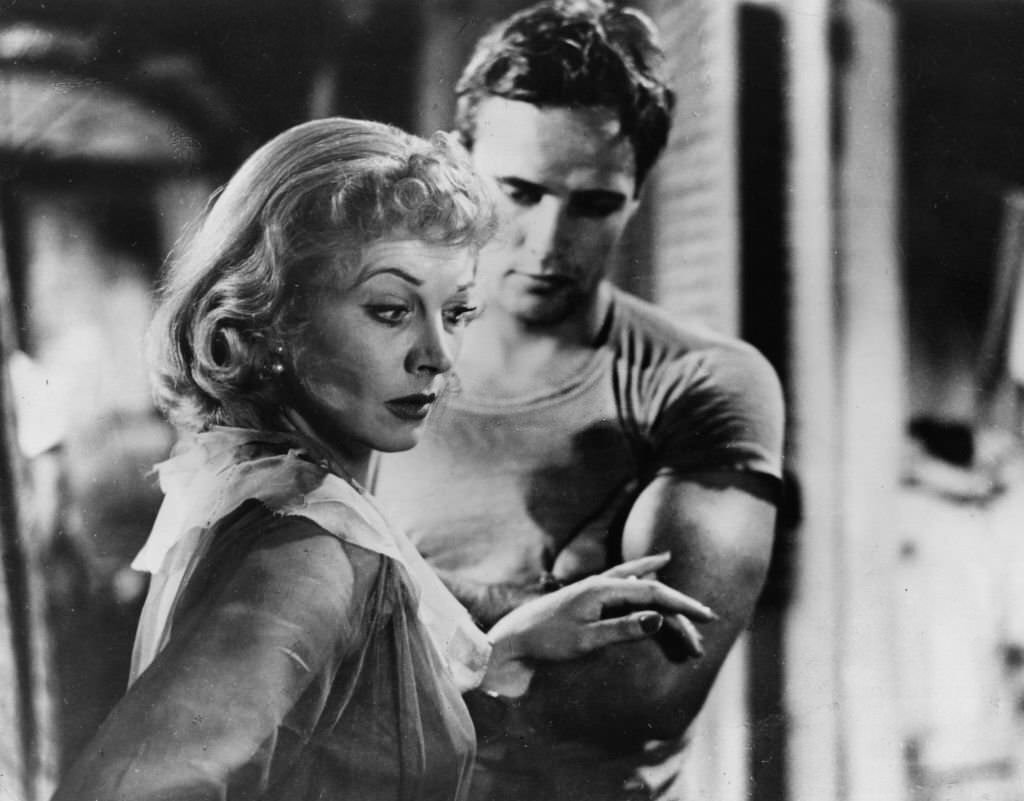
The screenplay, shaped by Williams, Saul, and Kazan, serves the cast well by giving every major character genuine complexity. Blanche is not simply a victim. Stanley is not simply a villain. Mitch is not simply comic relief. Each character carries enough contradiction to stay interesting from beginning to end.