
In the early 1980s, Poland was officially known as the Polish People’s Republic — a communist state buckled under one of the worst economic crises in its history. The country carried a foreign debt of more than US$23 billion. To pay it off, the government pushed exports of food, coal, and raw materials, stripping store shelves bare in the process. Prices were forced upward, inflation spiraled, and ordinary Poles were left scrambling for basics. Queuing for toilet paper wasn’t unusual — it was routine.
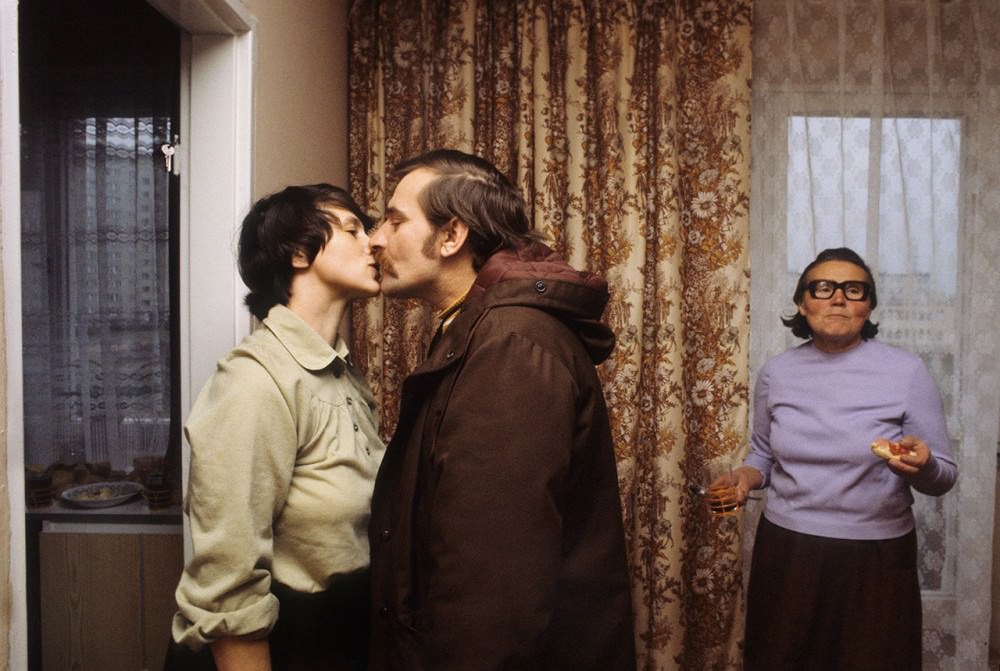
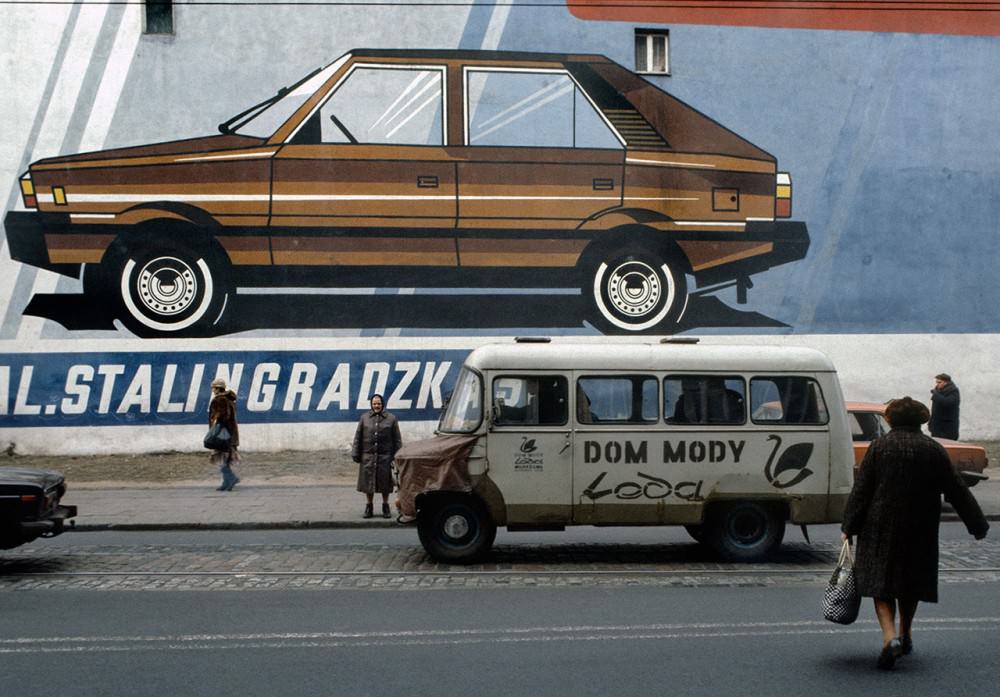
Photographer Chris Niedenthal documented this period with striking color photographs that capture both the hardship and the humanity of daily Polish life. His images show people going to work, celebrating weddings, attending Mass, and raising children — all while living under martial law and one-party rule. These are not propaganda images. They are honest, on-the-ground portraits of a nation under pressure.
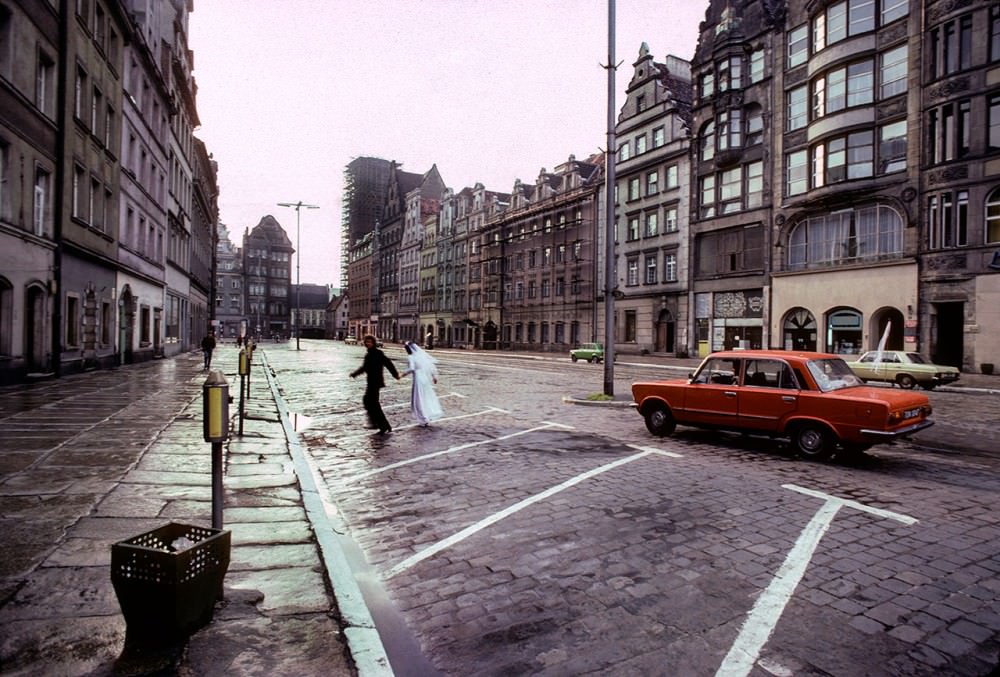
Life in Poland’s cities went on even as the political situation tightened. Wrocław was one of the country’s largest urban centers, and its residents continued to mark milestones — weddings, birthdays, religious festivals — against a backdrop of economic scarcity and military-enforced order. Martial law had been declared in December 1981 by General Wojciech Jaruzelski, and soldiers and tanks were a visible presence on Polish streets well into 1982.
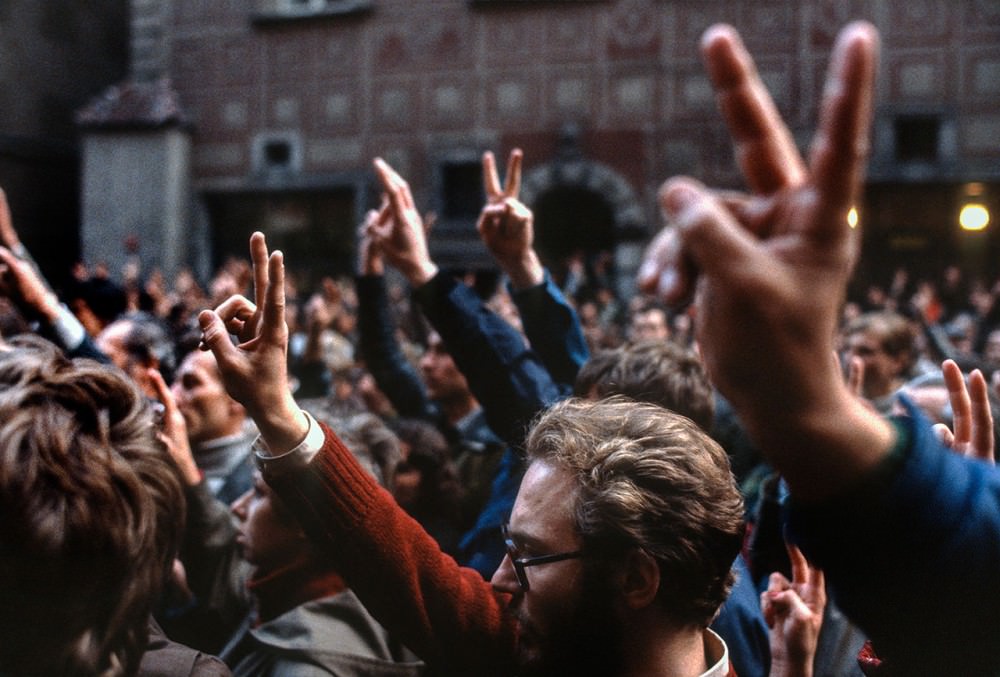
The Solidarity movement — Solidarność in Polish — had emerged from the Lenin Shipyard in Gdańsk in August 1980. It became the first independent trade union in the Soviet bloc, and at its peak claimed around 10 million members. The government’s answer was martial law. Solidarity leaders were arrested, the union was suspended, and public gatherings were banned. Despite this crackdown, supporters continued to organize, distribute underground publications, and demonstrate.
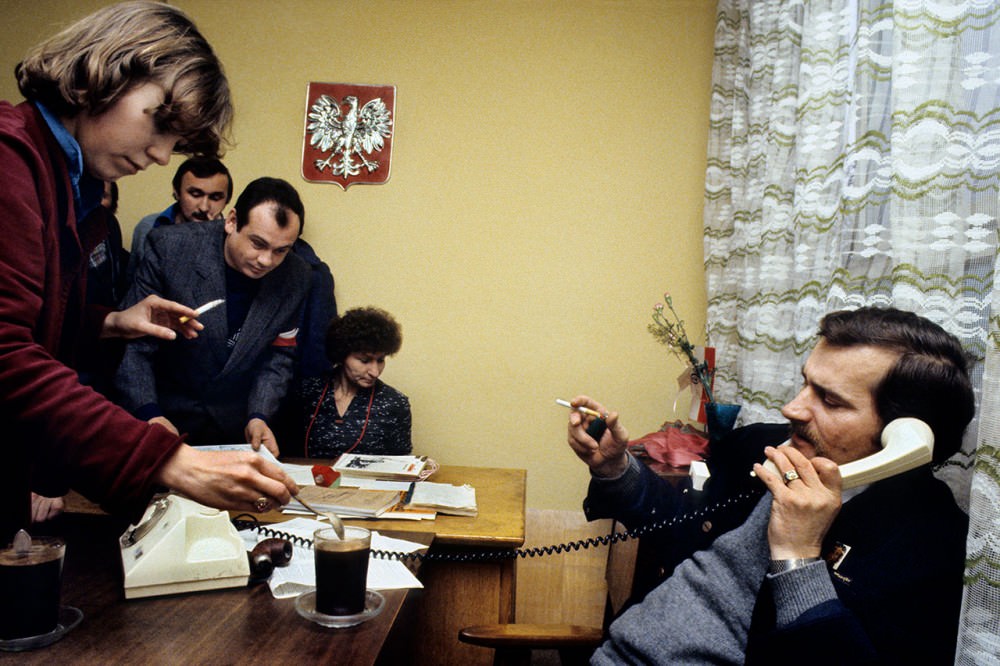
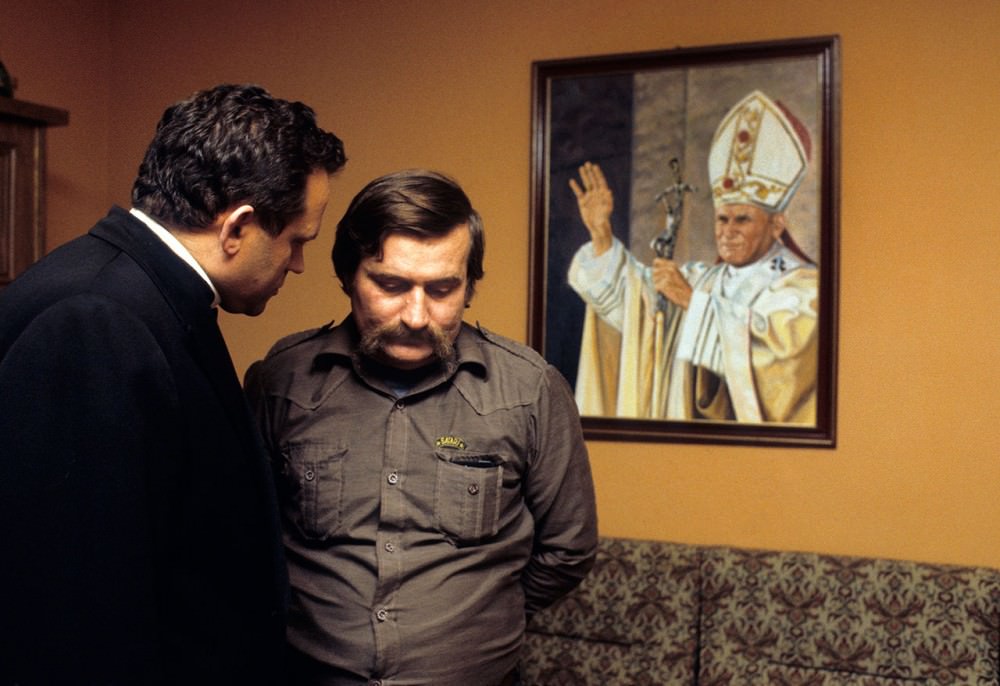
Lech Wałęsa was the electrician-turned-activist who became the face of Solidarity. He led negotiations with the communist government and signed the Gdańsk Agreements in August 1980, which forced the state to recognize the workers’ right to organize independently. His office in Gdańsk-Wrzeszcz became a center of activity before the crackdown, and he was detained when martial law was imposed.
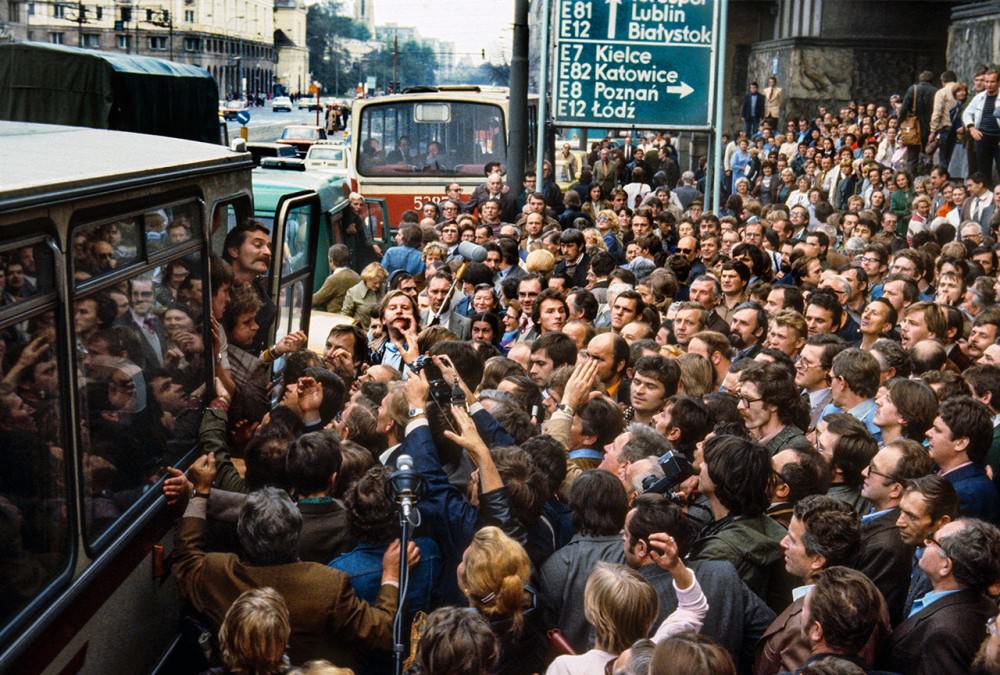
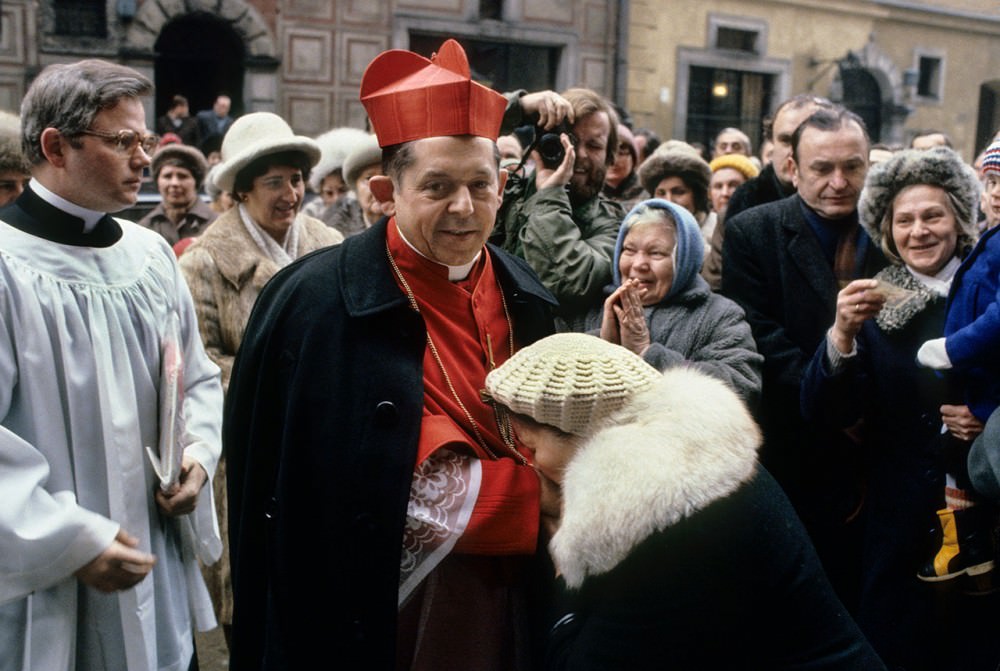
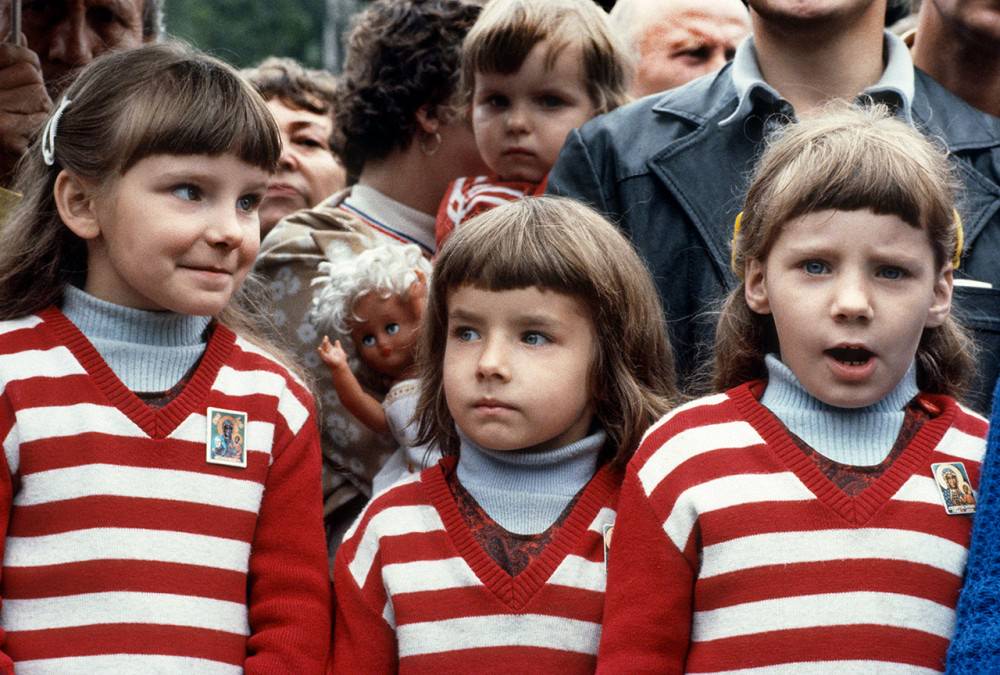
The Catholic Church played an enormous role in Polish society during this period — both spiritually and politically. It was one of the few institutions that operated with a degree of independence from the communist state. Pope John Paul II, himself Polish, visited his homeland and drew millions into the streets. His presence was a direct challenge to communist authority. When an assassination attempt was made on him in Rome in May 1981, Poles gathered in churches across the country to pray.
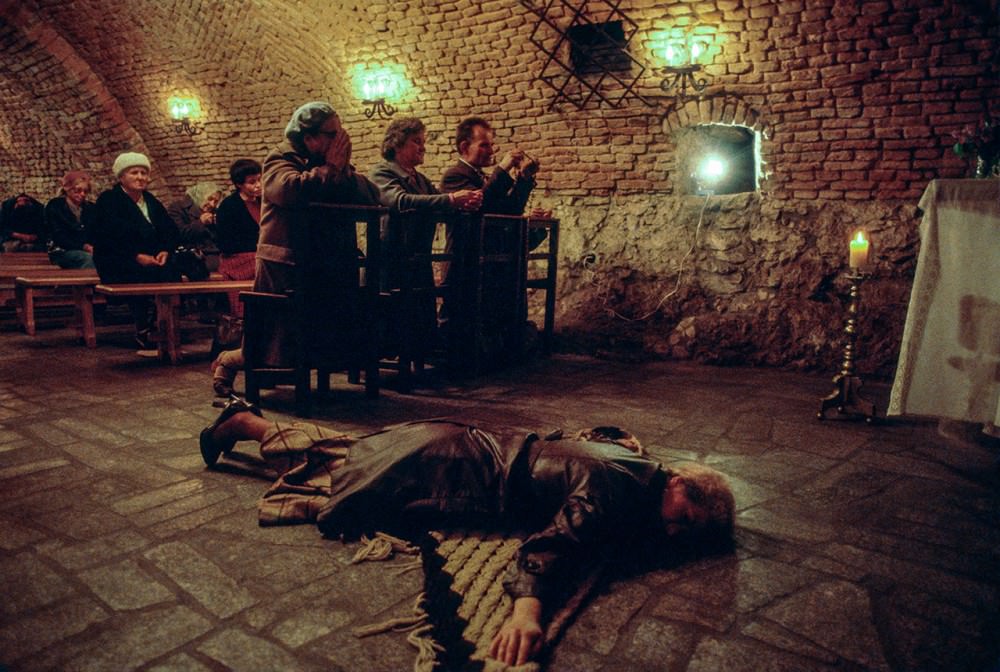
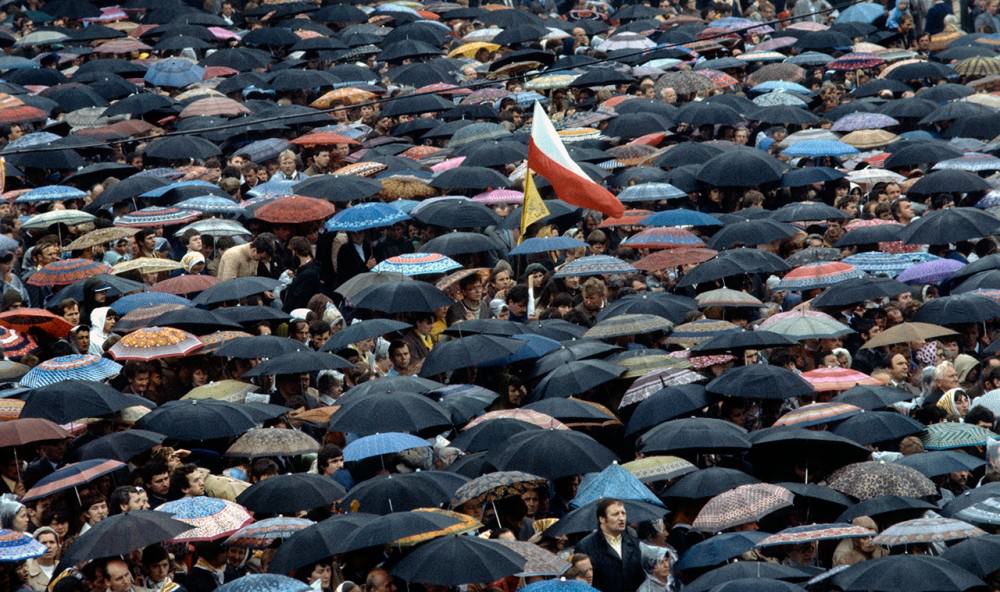
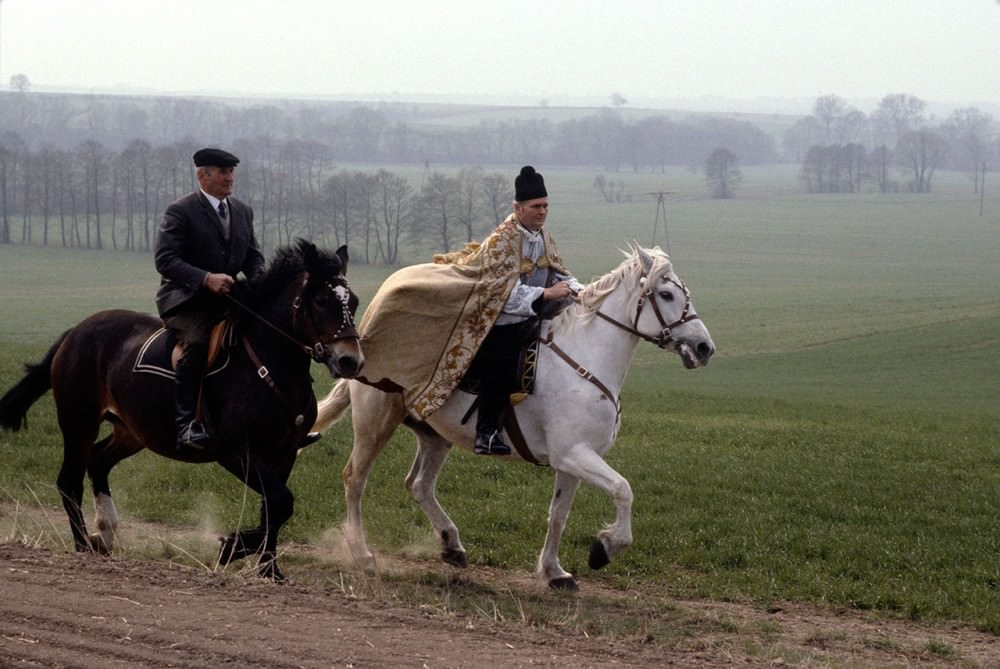
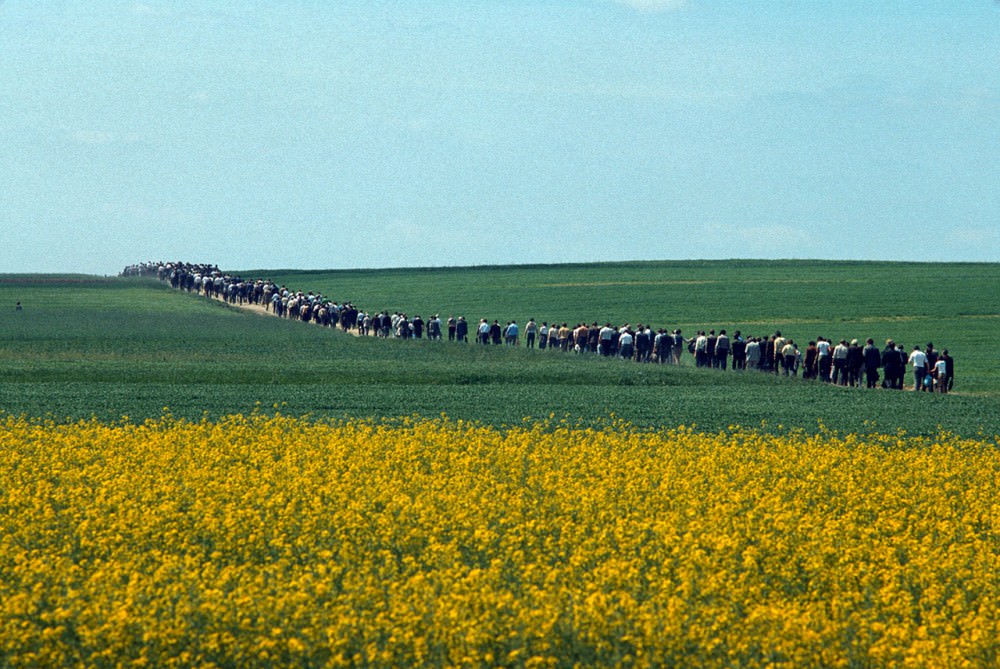
Religious pilgrimages were among the most powerful forms of public gathering during the martial law period. Because religious assembly was tolerated in ways that political assembly was not, pilgrimages to shrines such as Jasna Góra in Częstochowa drew enormous crowds. Men marched on foot from Warsaw to Częstochowa, covering hundreds of kilometers. Horseback processions and parish pilgrimages were held across the country, blending faith with quiet acts of national identity.
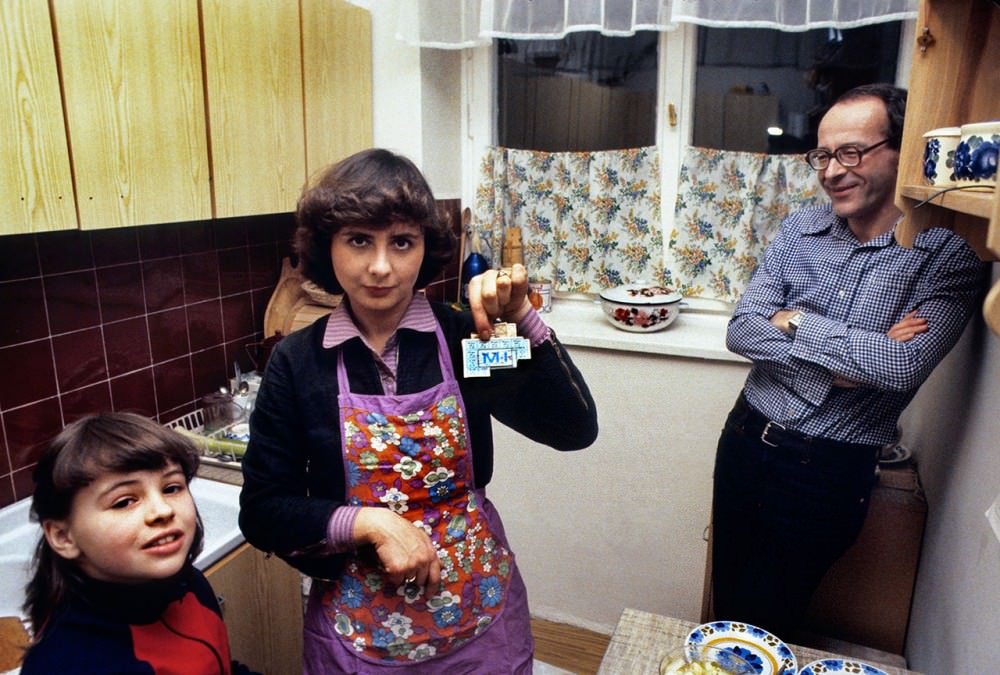
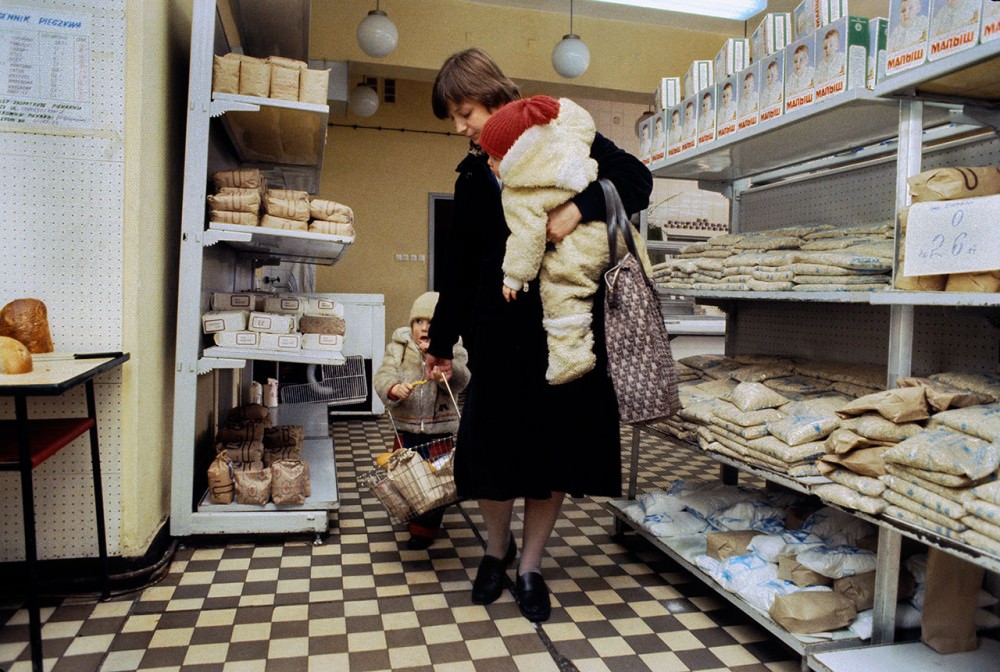
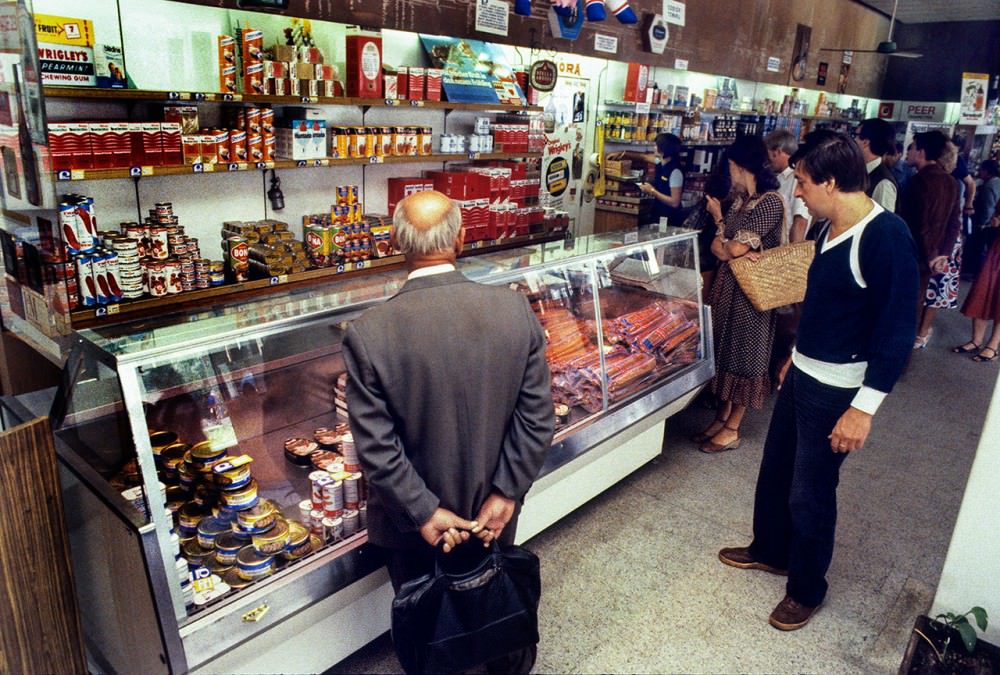
Food rationing shaped the daily rhythm of life in communist Poland. The government introduced ration cards in 1981, covering meat, butter, flour, sugar, cigarettes, and alcohol. Even with ration stamps in hand, getting the goods required standing in long queues. Shops were often empty by the time people reached the front. Niedenthal’s photographs of food stores from this period show sparse shelves and rationing systems that barely kept pace with demand.
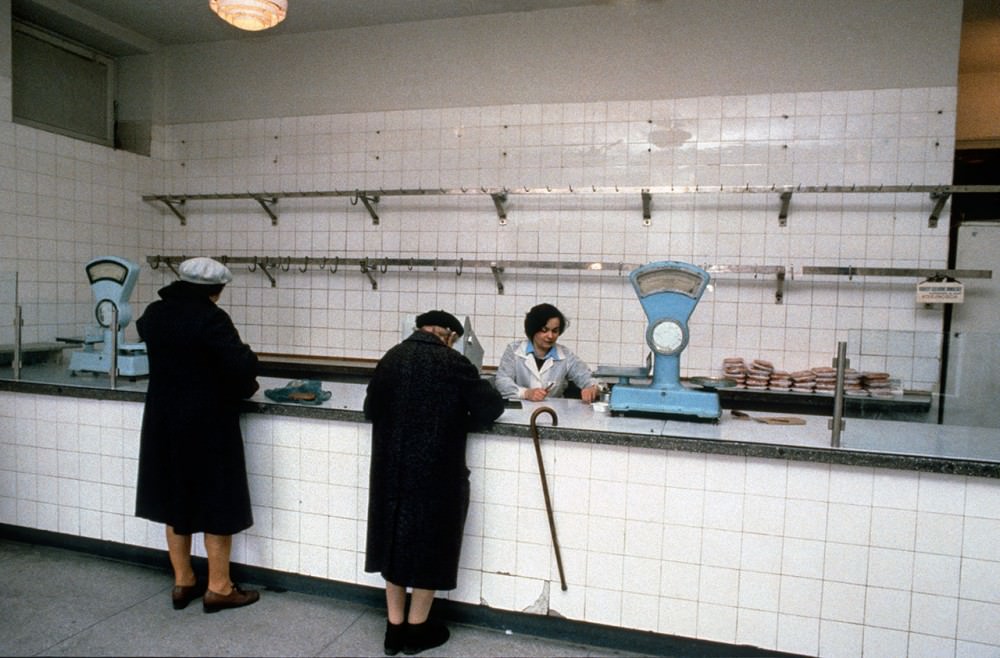
For those with access to foreign currency, a parallel world existed. Pewex stores — state-run hard currency shops — stocked Western goods that were otherwise completely unavailable. Imported electronics, clothing, alcohol, and food could be purchased there, but only with US dollars or West German marks. For most Poles earning wages in złoty, these stores were off-limits. They served as a stark reminder of the two-tier economy the system had created.
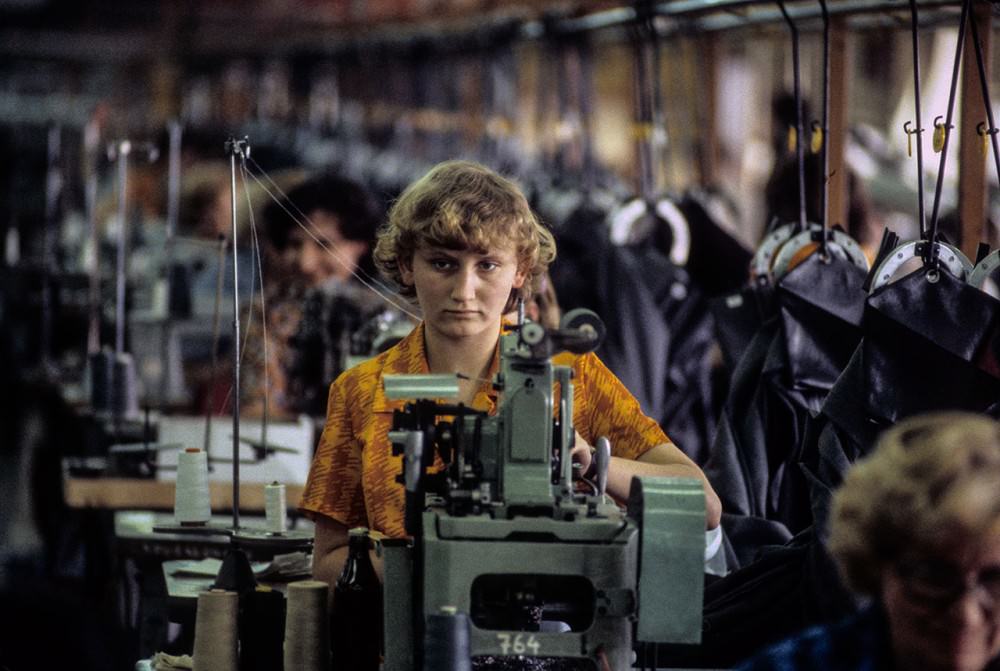
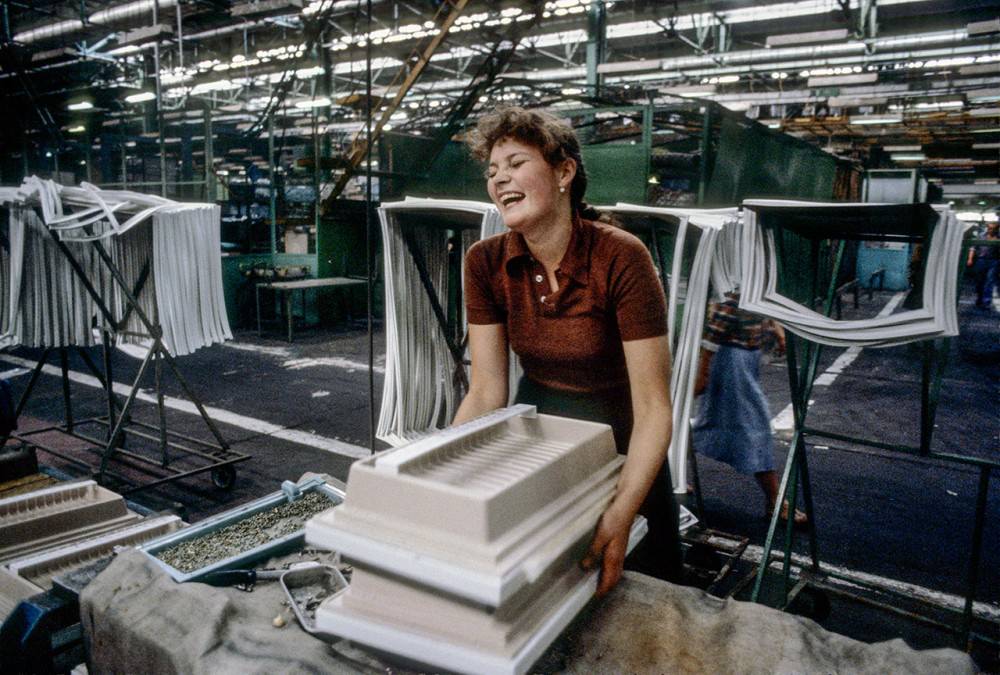
Polish factories continued operating throughout the crisis, though production was inefficient and supply chains were unreliable. Workers at textile mills and refrigerator plants showed up to their shifts under conditions that had changed little since the 1950s. State-owned enterprises were heavily subsidized but chronically underfunded, and the goods they produced were often of poor quality or unavailable domestically because they were earmarked for export to generate hard currency.
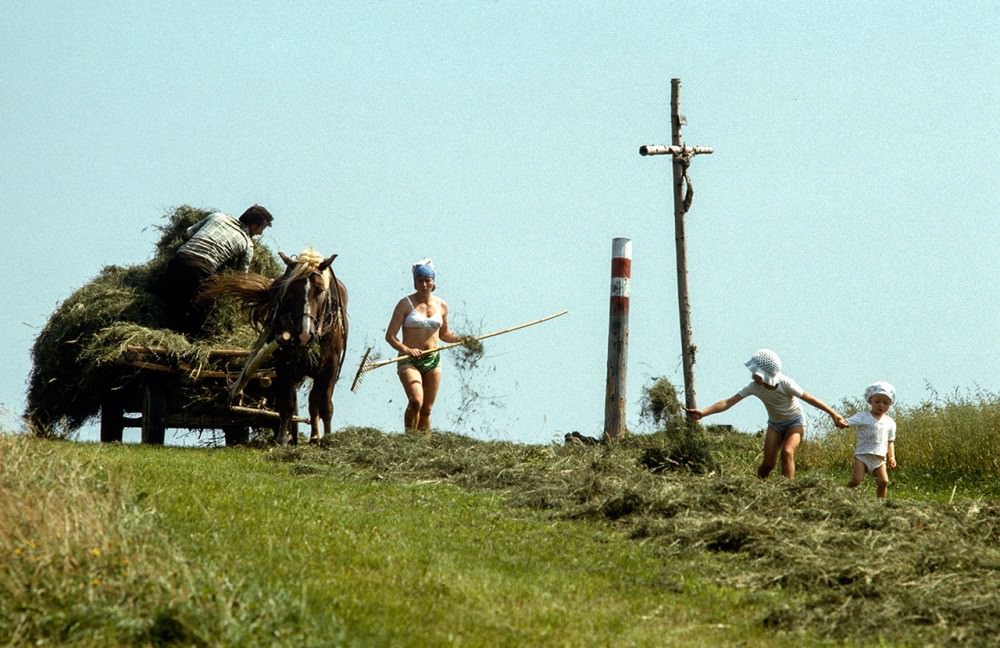
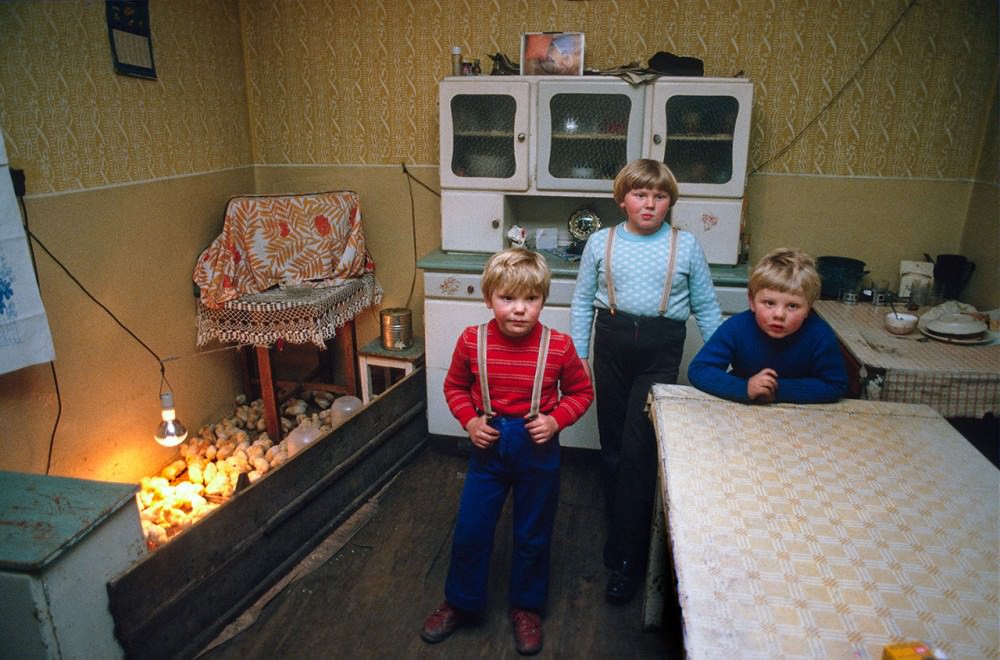
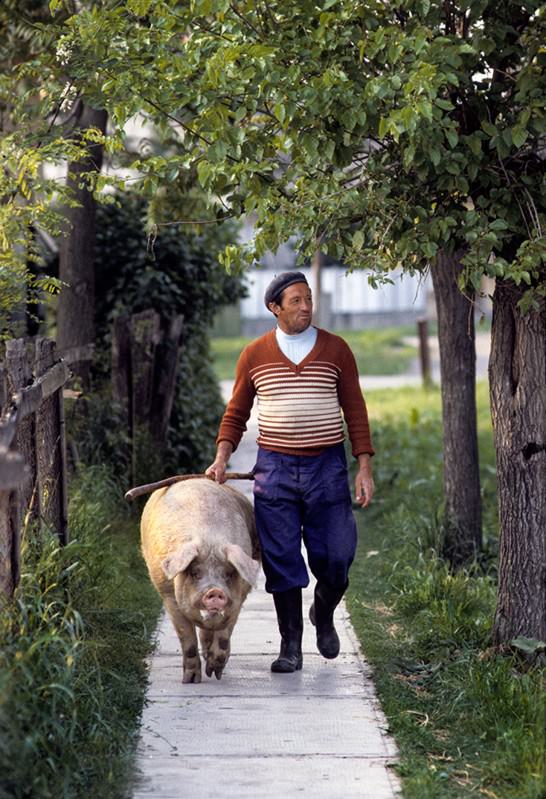
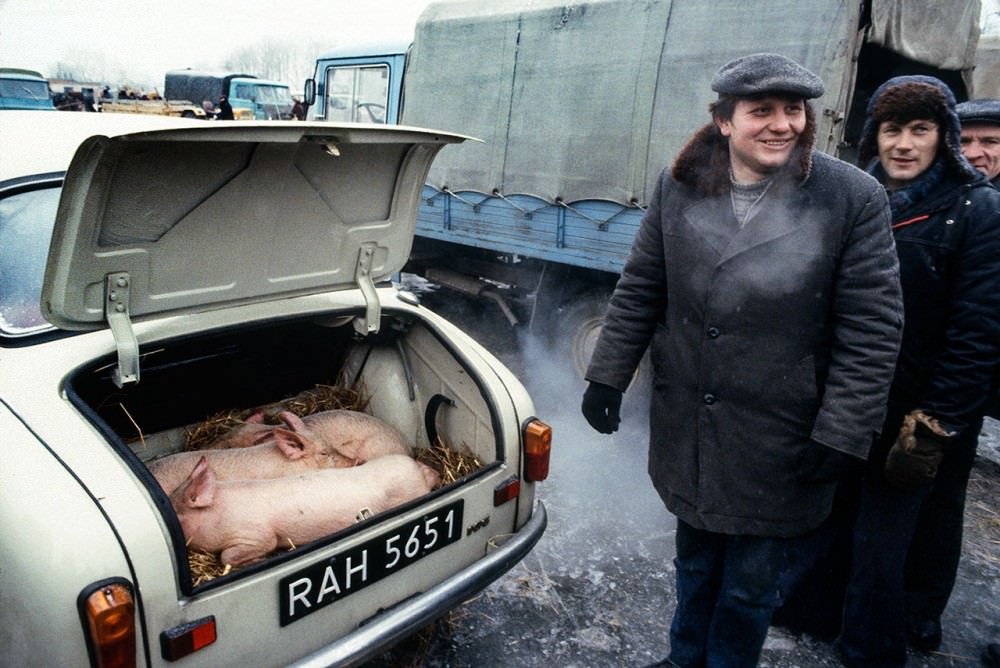
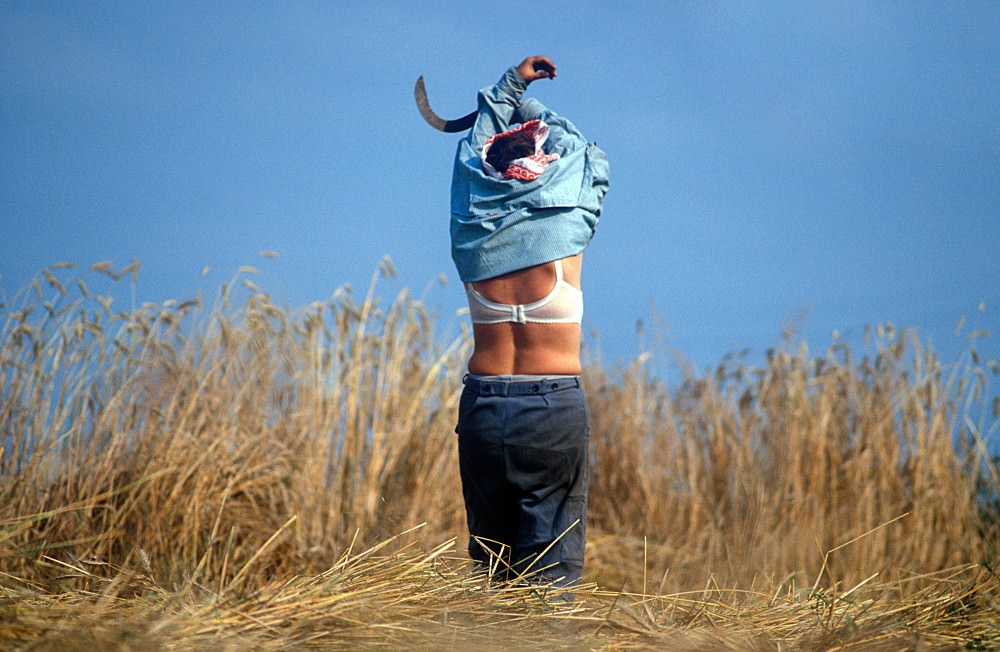
Rural Poland had its own rhythms. Farming families worked their fields by hand and with horses. Livestock was raised at home — in some cases, quite literally inside the house. Private agriculture had survived collectivization better in Poland than in most other Eastern Bloc countries, but rural life was still shaped by shortages and limited access to machinery, fuel, and animal feed.
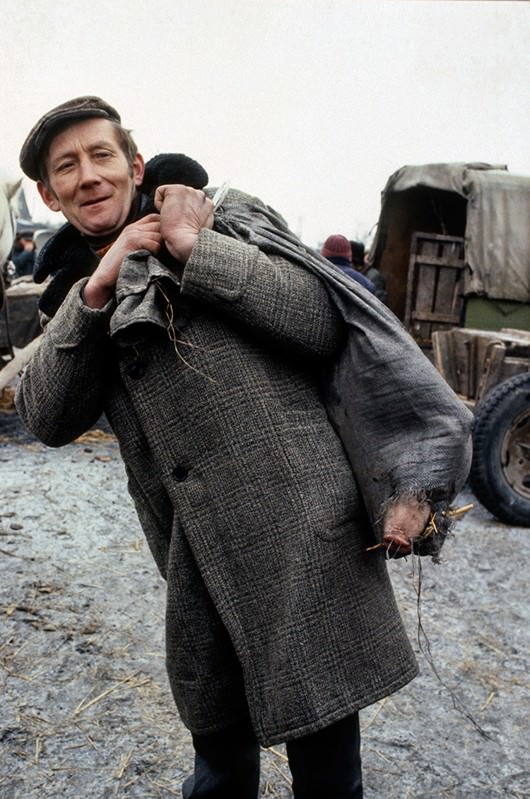
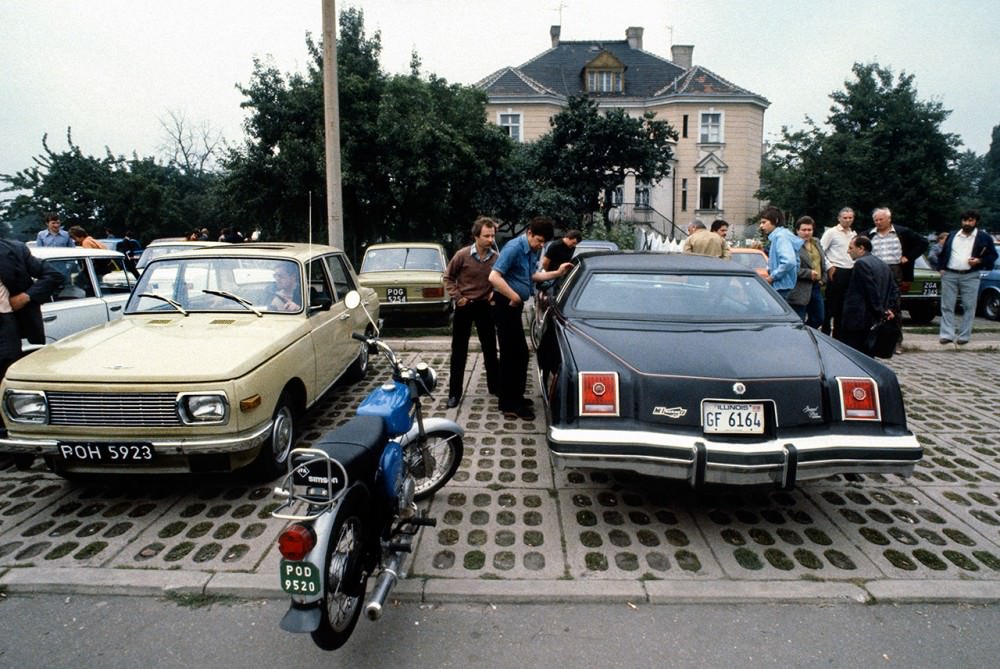
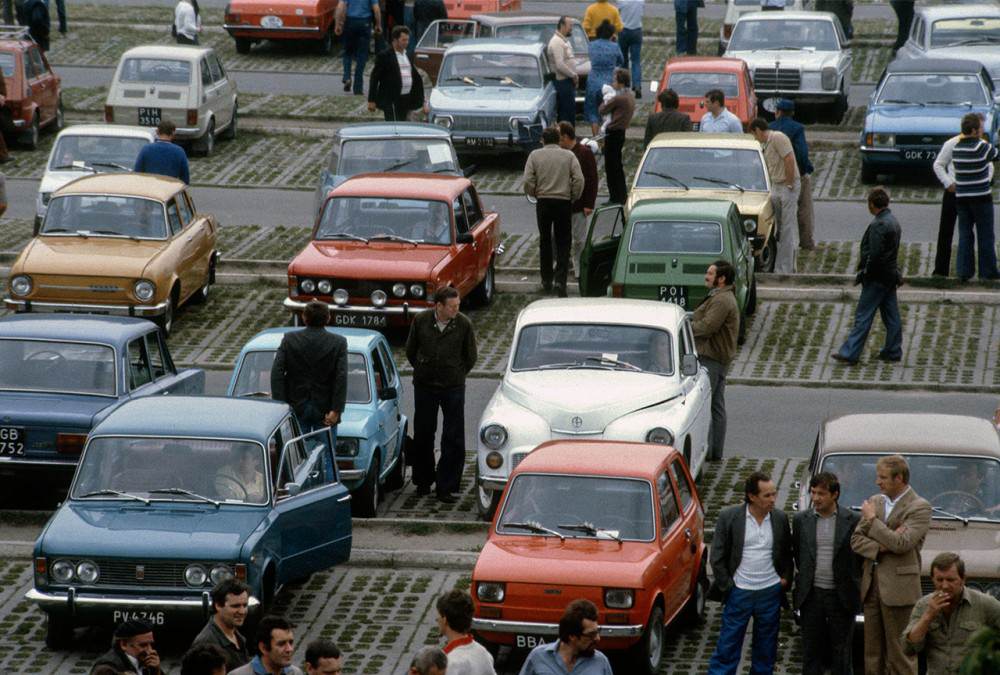
Markets — both official and informal — were essential outlets during this period. Outdoor markets in cities like Grójec and Poznań saw people trading goods, selling produce, and exchanging items that simply weren’t available in state stores. Used car markets drew large crowds of buyers and sellers, since purchasing a new vehicle through official channels required waiting years on a list.
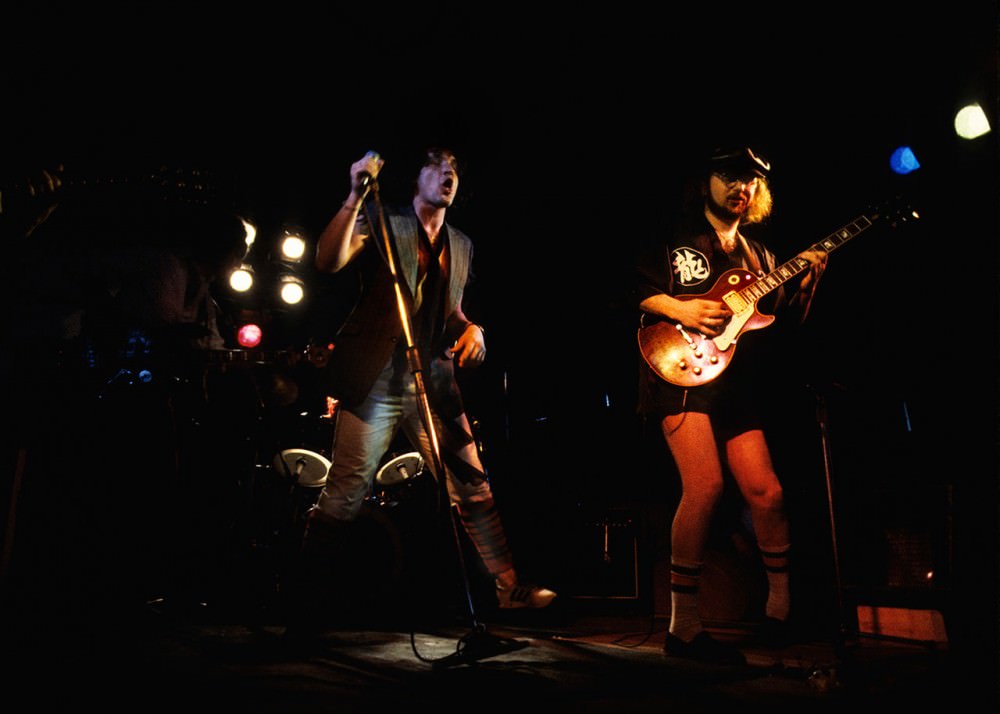
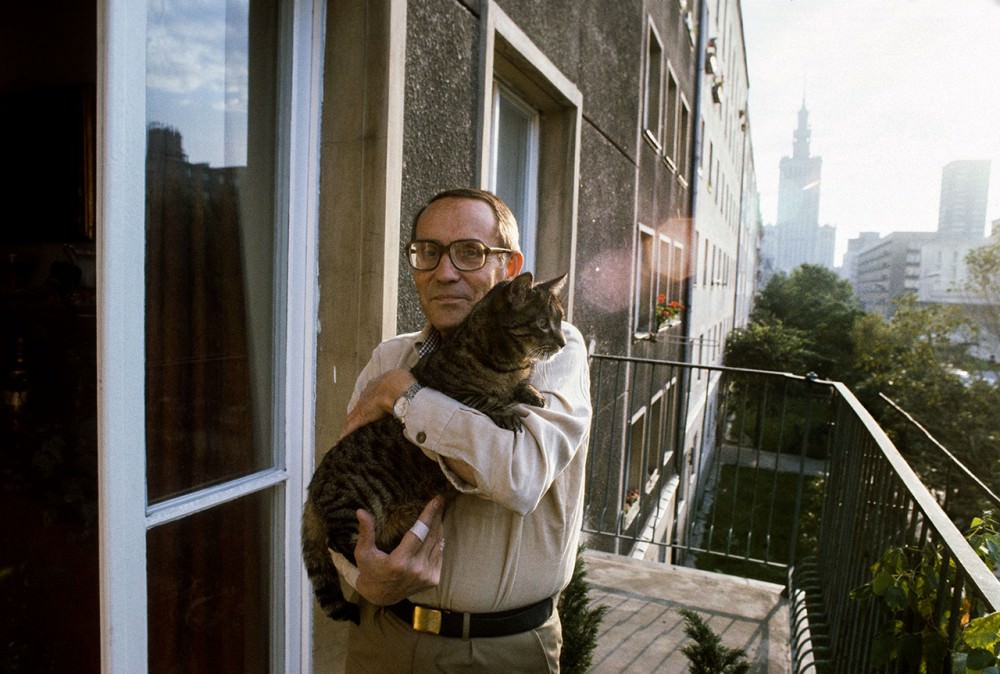
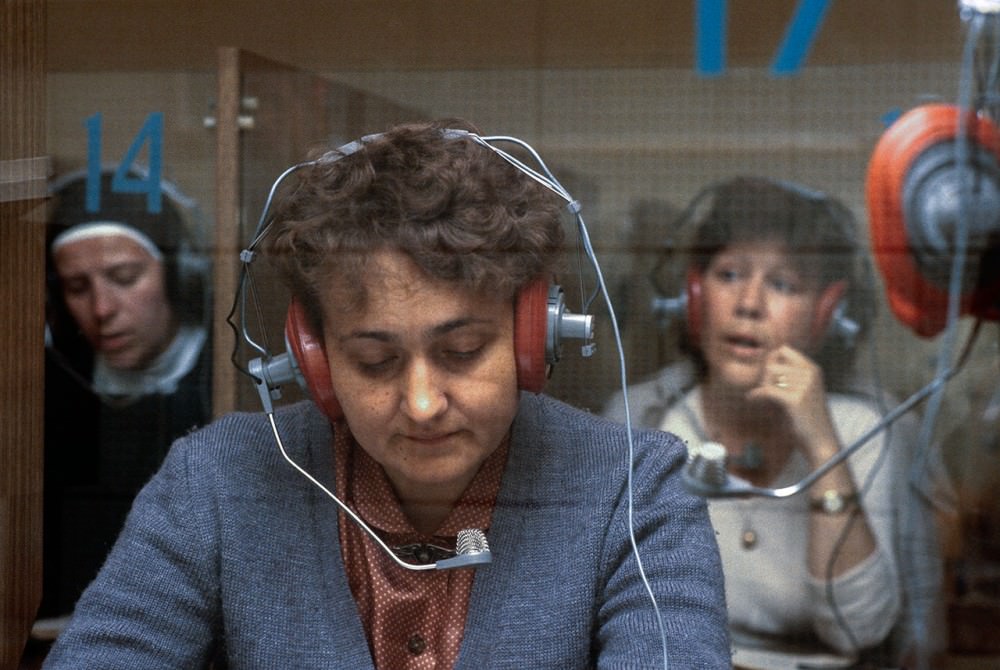
Despite the political climate, cultural life persisted. Rock music concerts drew young crowds. Writers and filmmakers continued their work, even as censorship shaped what could be published or screened. Tadeusz Konwicki, one of Poland’s most respected authors and film directors, remained a prominent figure throughout the decade. Language schools in Warsaw offered English classes — a nod to the aspirations many Poles held for a future beyond the Iron Curtain.
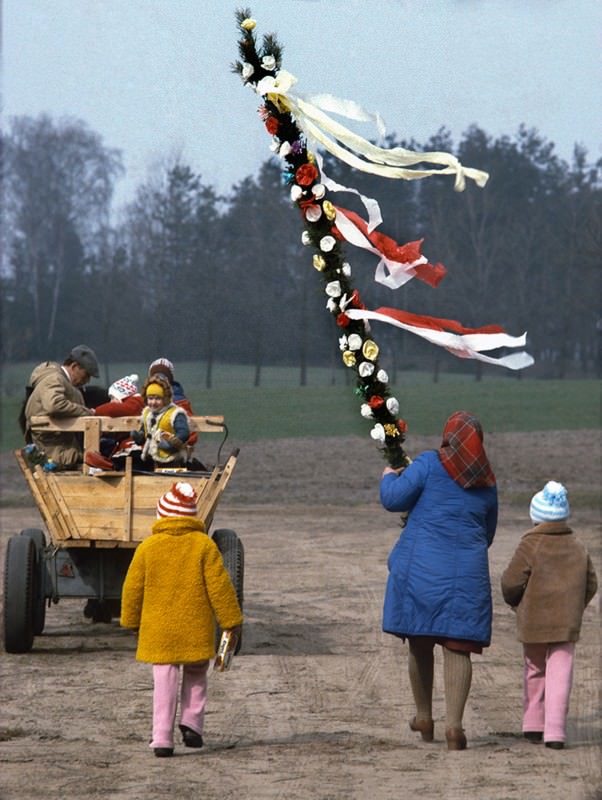
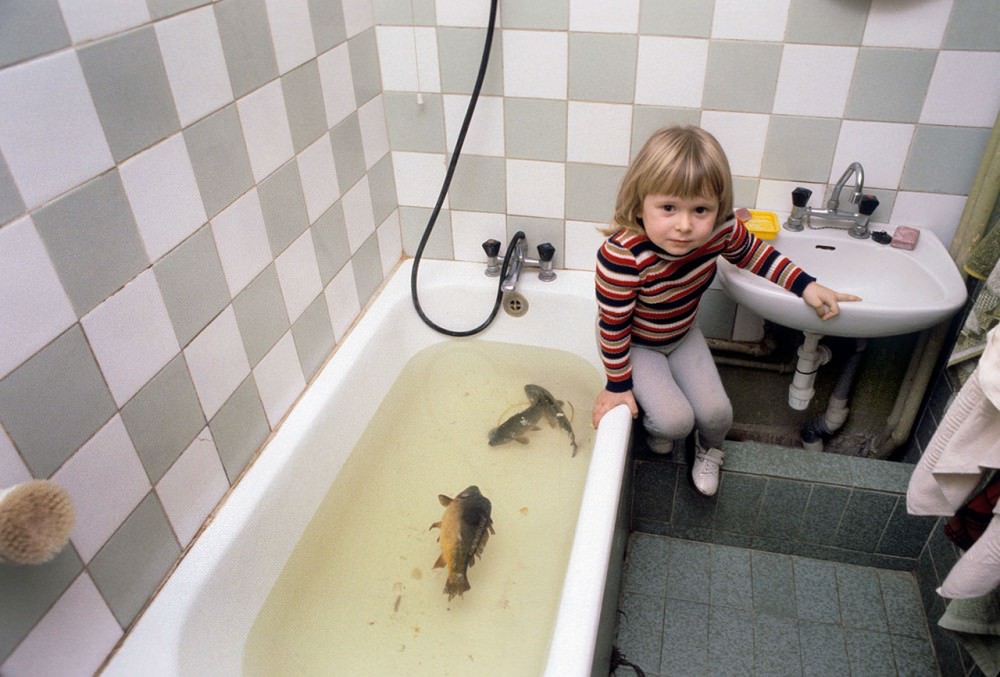
Religious and community traditions gave Poles a sense of continuity that state ideology could not provide. Palm Sunday processions in the Kurpie region, Christmas Eve preparations with live carp bought from street vendors, anniversary celebrations in Kraków — these moments of shared culture held communities together. The 300th anniversary of the victory over the Turks at Vienna was marked in Kraków in 1983, drawing on a history that had nothing to do with Soviet ideology.
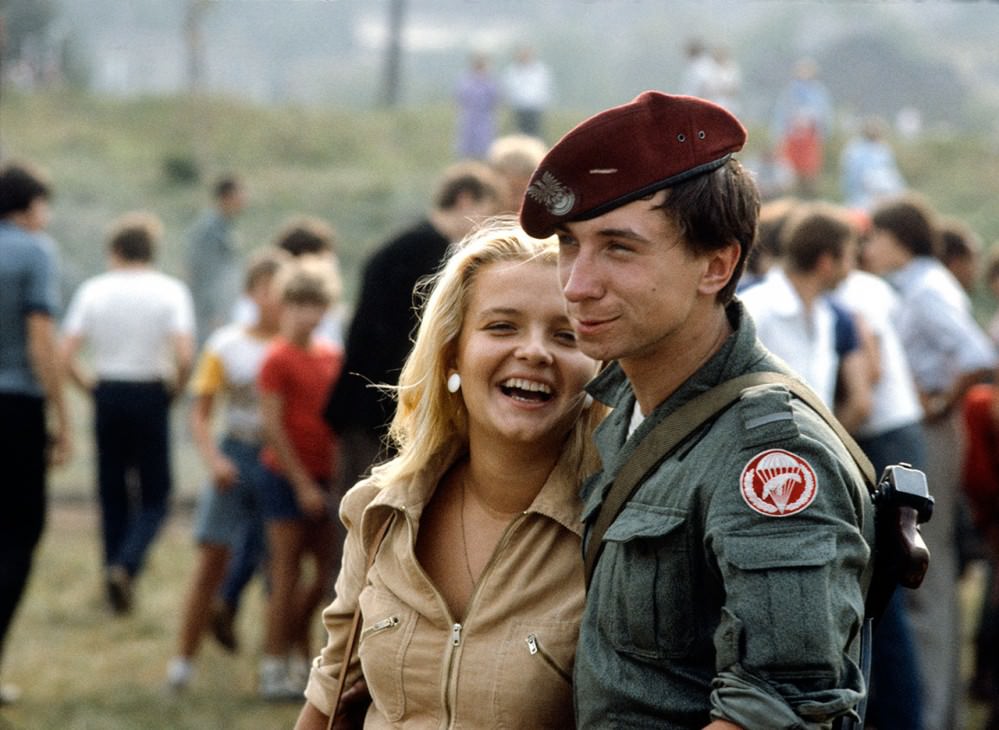
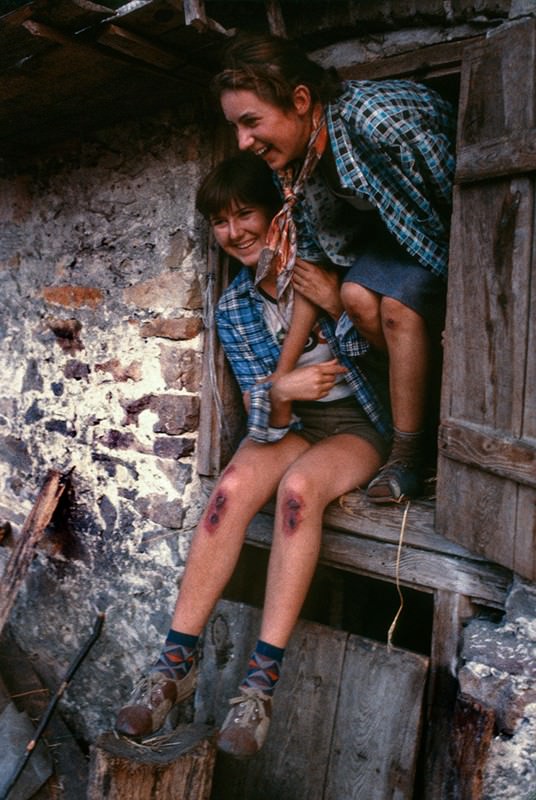
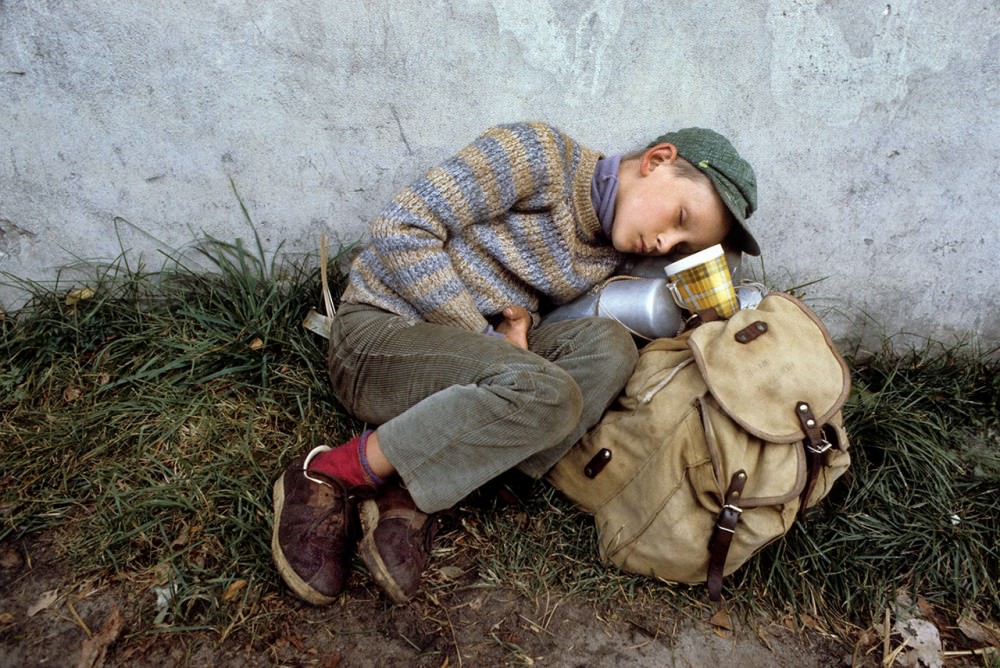
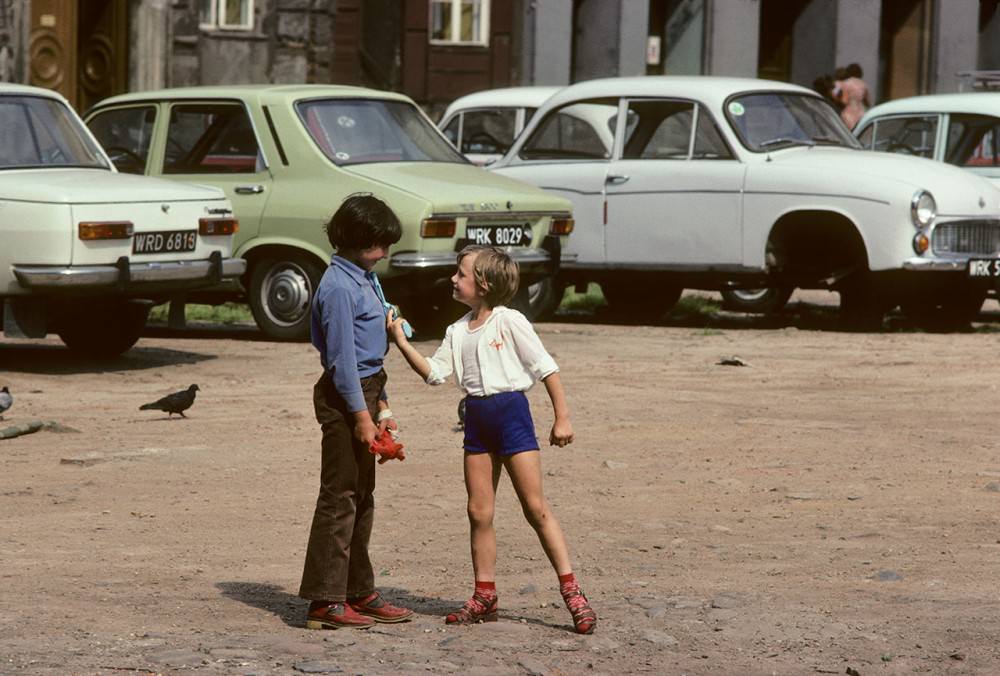
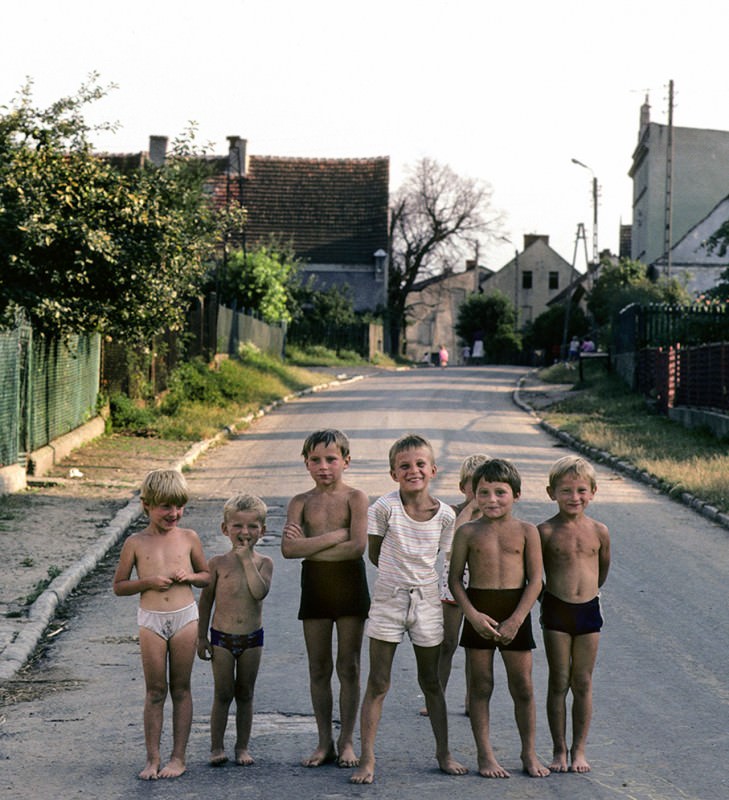
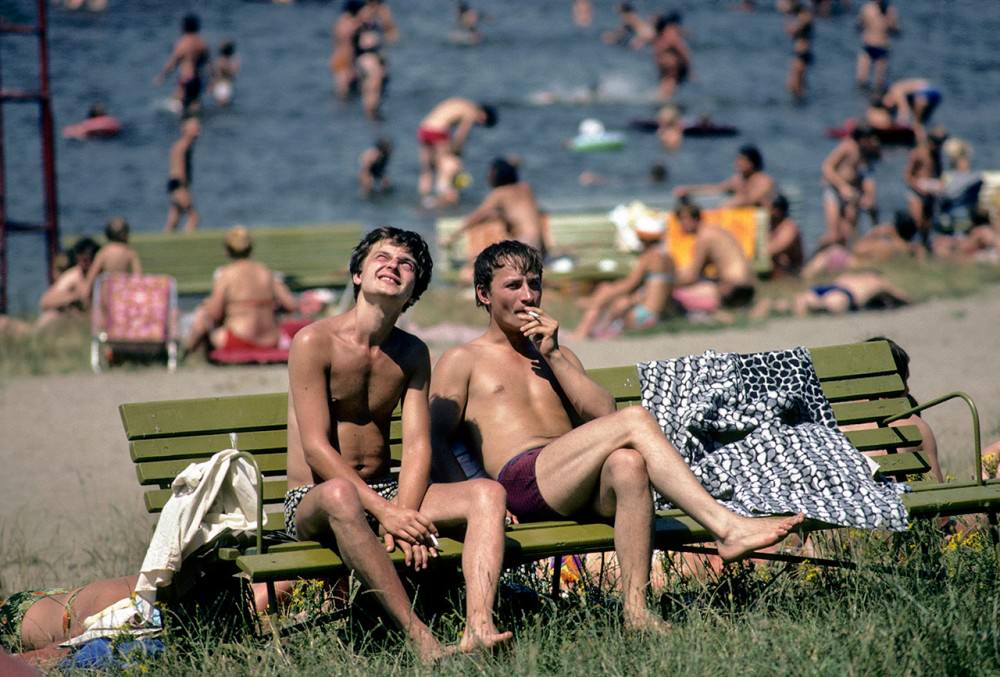
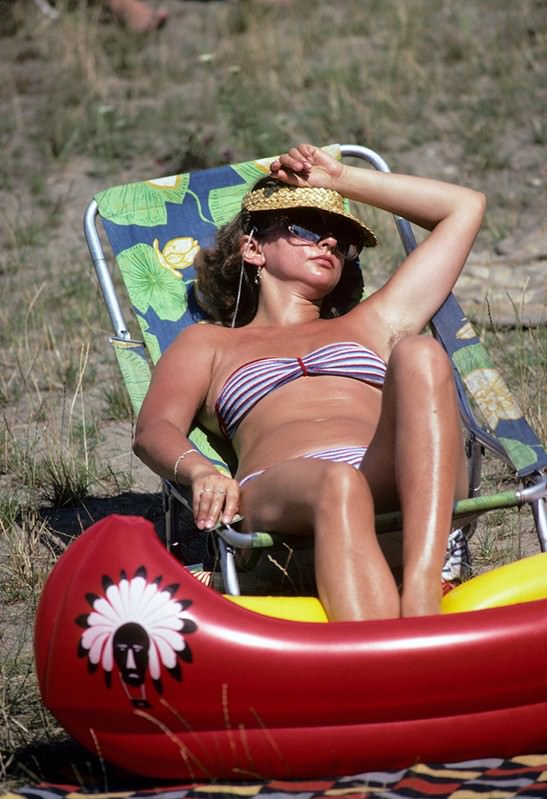
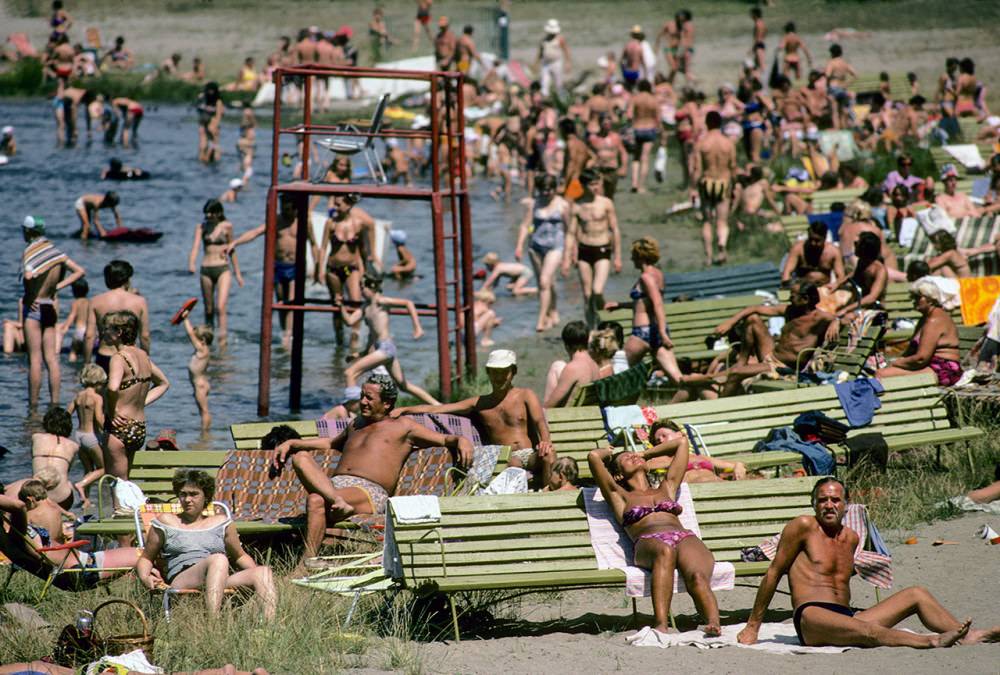
Children in 1980s Poland grew up in a world defined by scarcity, surveillance, and solidarity — sometimes all at once. Niedenthal photographed them playing in the streets of Wrocław, swimming in outdoor pools on summer days, and posing with toy guns. Their daily lives appeared outwardly normal, but the world around them was anything but. A sickle painted on a wall without its accompanying hammer — a small but pointed act of defiance near Wrocław — captured the spirit of a population that had not given up.
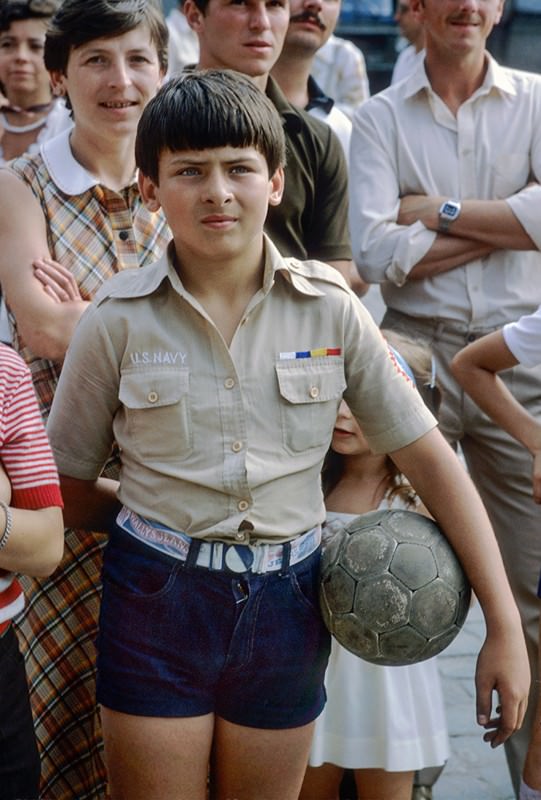
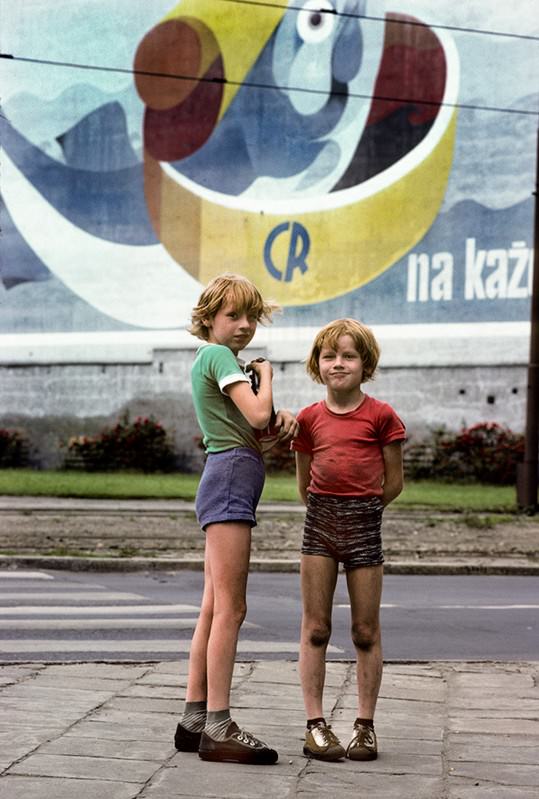
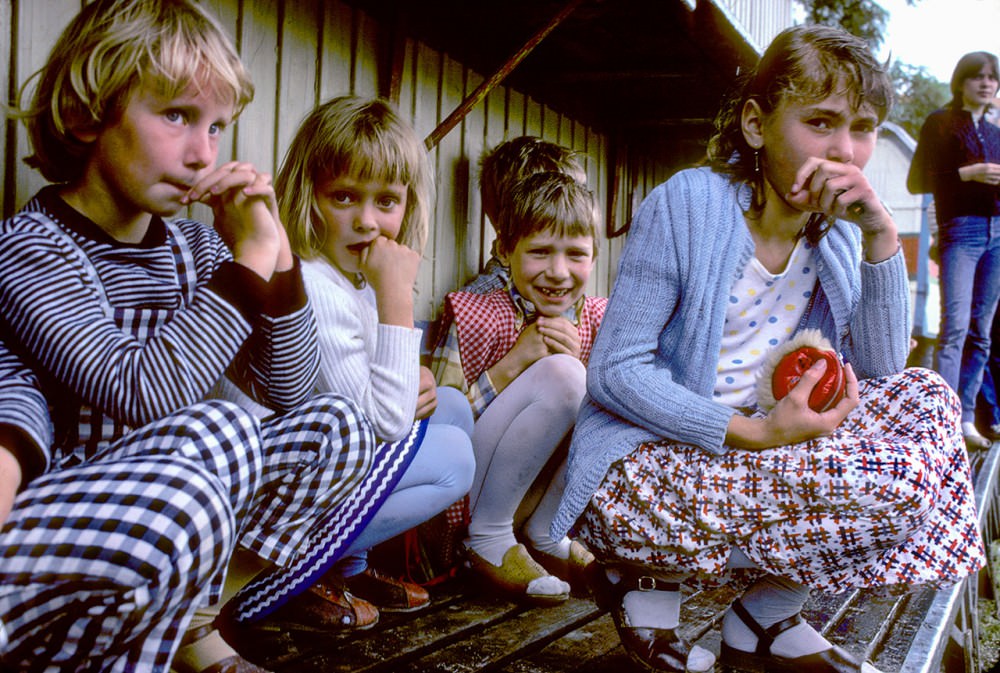
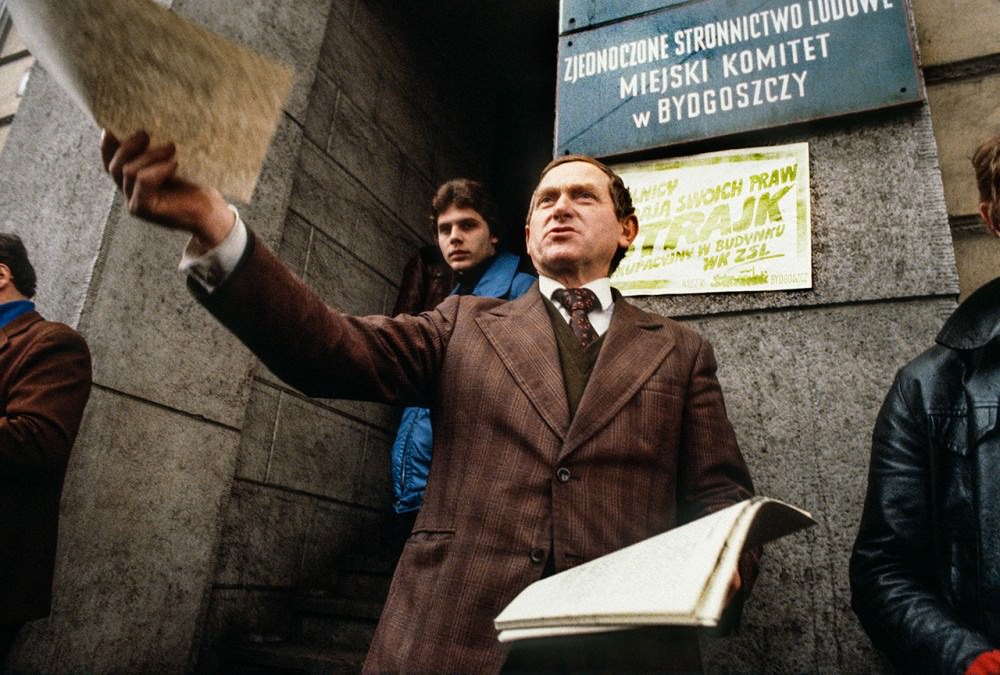
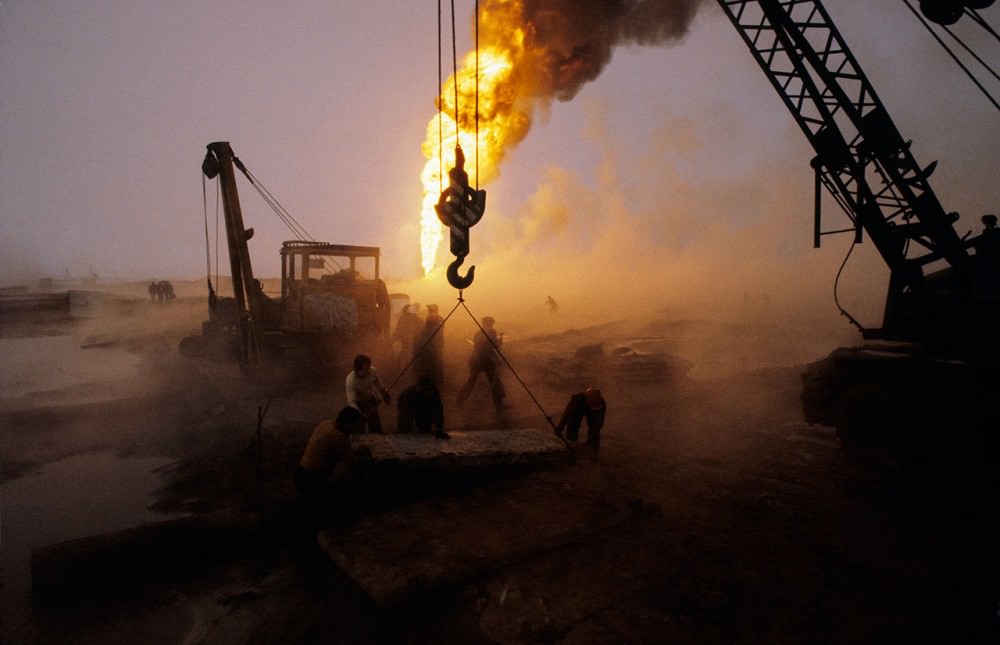
Political tensions extended beyond Poland’s own borders. The 1981 crisis in Bydgoszcz, where Solidarity members were beaten by police during a regional council session, became a flashpoint that nearly triggered a general strike. Cardinal Józef Glemp, appointed Primate of Poland in 1981, navigated an extremely difficult role as mediator between the Church, the state, and the Solidarity movement. An explosion at oil drilling installations in Karlino in 1981 added to the sense of a country lurching from one crisis to the next.
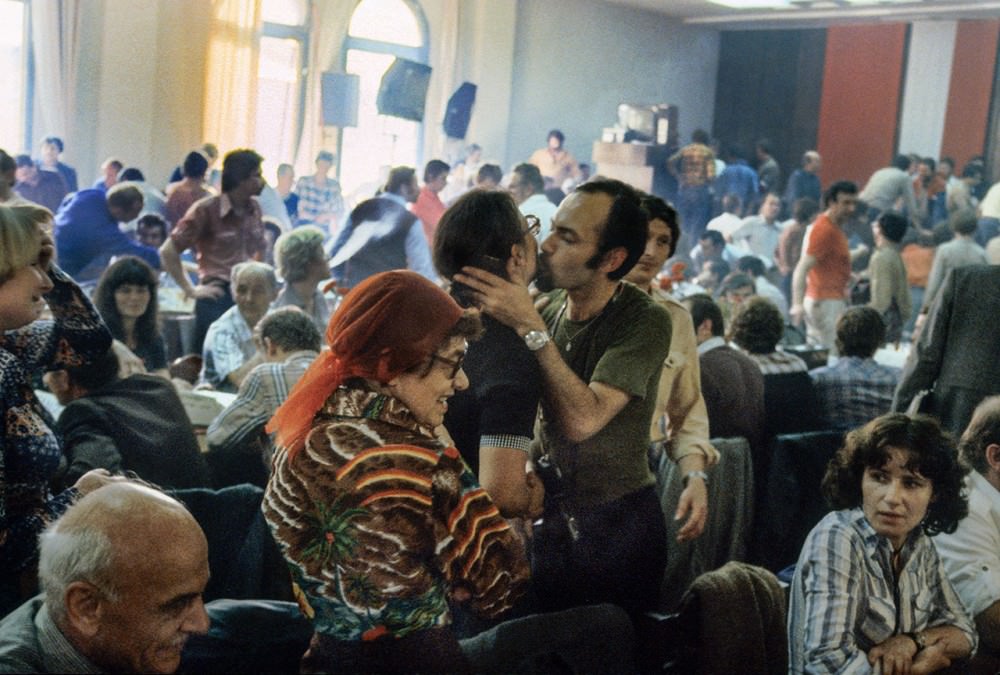
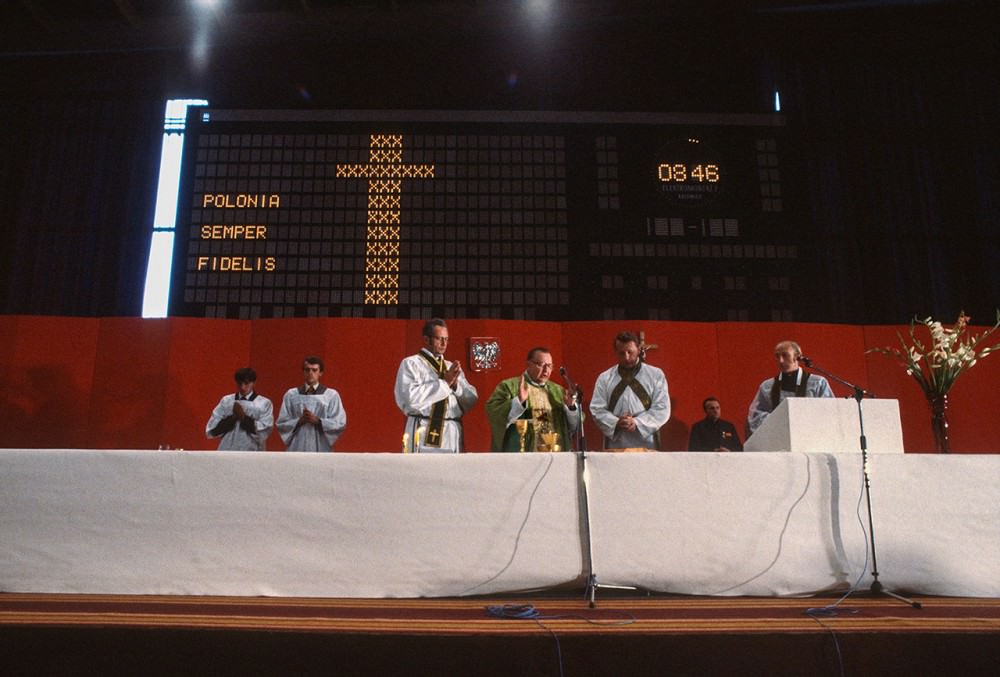
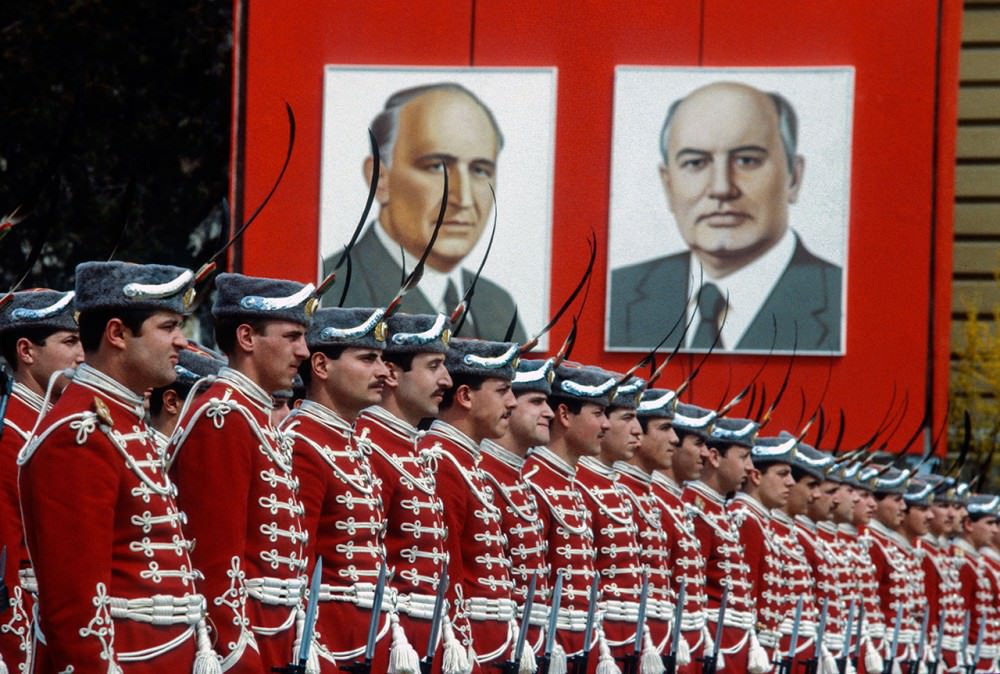
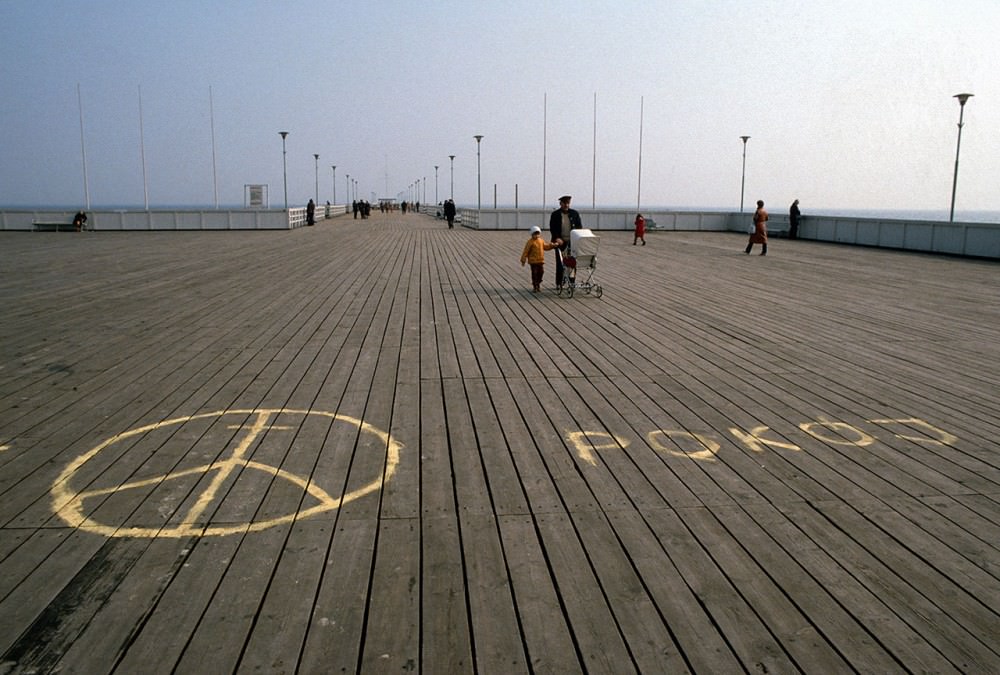
Poland’s communist government was not isolated — it operated as part of the wider Soviet bloc. When Soviet leader Mikhail Gorbachev traveled through Eastern Europe, his visits were met with formal military ceremonies. The Solidarity movement’s first national convention, held in Oliwa in 1981, opened with a Holy Mass — a deliberate statement that this was not merely a labor organization but a movement rooted in Polish Catholic identity. Graffiti on the Sopot Pier in 1984 spelled out one word: “Peace.” In a country still under the shadow of martial law, it said everything.





During the 1980s, Bruno Barbey took some excellent photos of Poland, though his photo book is no longer available.
A photo proves that the free market is millions of times better than communism.
Life in the Soviet Union was a million times worse than this.
The Soviet Union was much more prosperous than Poland, which was one of the worst countries in the eastern block
It’s not entirely true. Yes, it was more prosperous than Poland, but rich does not necessarily mean a high standard of living. The rural areas of SU resembled medieval peasants more than XX century citizens. Even today, it shows. I live in eastern Poland, near the border with Russia and Lithuania- crossing it feels like stepping back in 60 years.
It brings back so many painful memories. 🙁
Amazing. It’s very cool to see these. Thanks for sharing.
There were food stamps, empty shelves, and religious symbols and pictures everywhere. We used to steal empty bottles from the back of stores and return them to the front for a refund, to buy things from them xD
A new wave of strikes in early August 1980 led to the formation of the independent trade union Solidarity (Solidarność) led by Lech Wałęsa. The government of Wojciech Jaruzelski declared martial law in December 1981 in response to the growing strength and activity of the opposition.
The last photo shows a luxury car with an Illinois (USA) license plate at a used car market. What is the context of the picture?
Could be resettlement property/bring back from Polish expat from Jackowo, Chicago IL.
Amazing pictures.
Peace” graffiti on Sopot Pier, 1984.
what’s Bricktop doing on the right there?
There are some that look like they were drawn frames from a movie from those years
Amazing pictures. I was born in the 70s and remember those times well.
That priest from 3rd photo (Jankowski) was a pedo FYI.