in

1940s Gallup Inter-Tribal Indian Ceremonial: Stunning photos Depicting Native American Culture

The Gallup Inter-Tribal Indian Ceremonial has been one of the most important gatherings of Native American culture in the United States since it first took place in 1922. Held annually in Gallup, New Mexico, the event brings together tribes from across the region to share traditions, ceremonies, and crafts that have been passed down through generations. By the 1940s, it had already established itself as a major cultural event, drawing participants from dozens of distinct tribes. The ceremonial grounds filled each year with the sights, sounds, and daily rhythms of Native life.
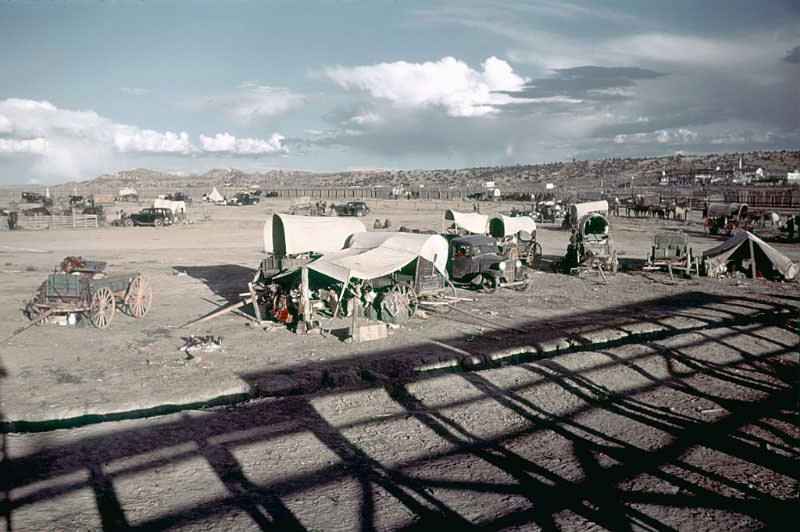
A view of the Native American campgrounds.

Photographer Ivan Dmitri captured the 1940s ceremonial in vivid color at a time when color photography was still relatively rare. His images document not just the formal events but also the everyday life happening at the campgrounds — cooking, trading, and family moments that give the photographs real depth. The campgrounds served as a temporary village, with families setting up teepees and fires, creating a living community for the duration of the event.
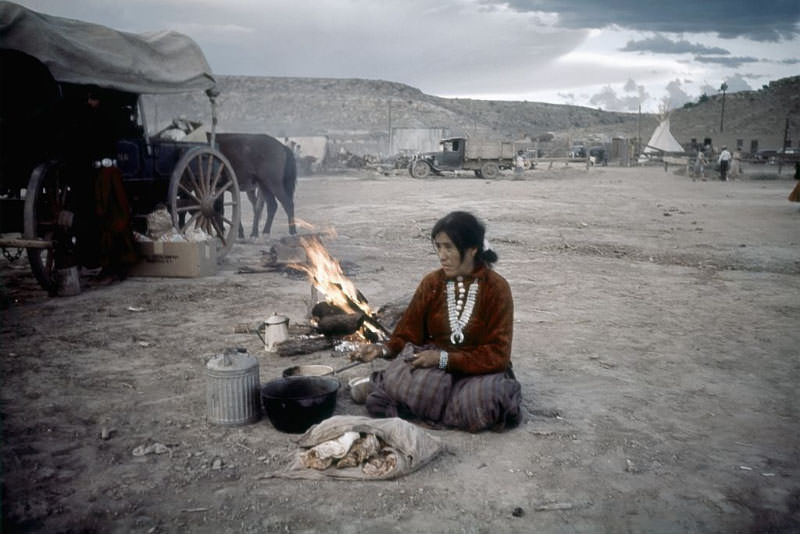
A Native American woman cooks by the campfire.
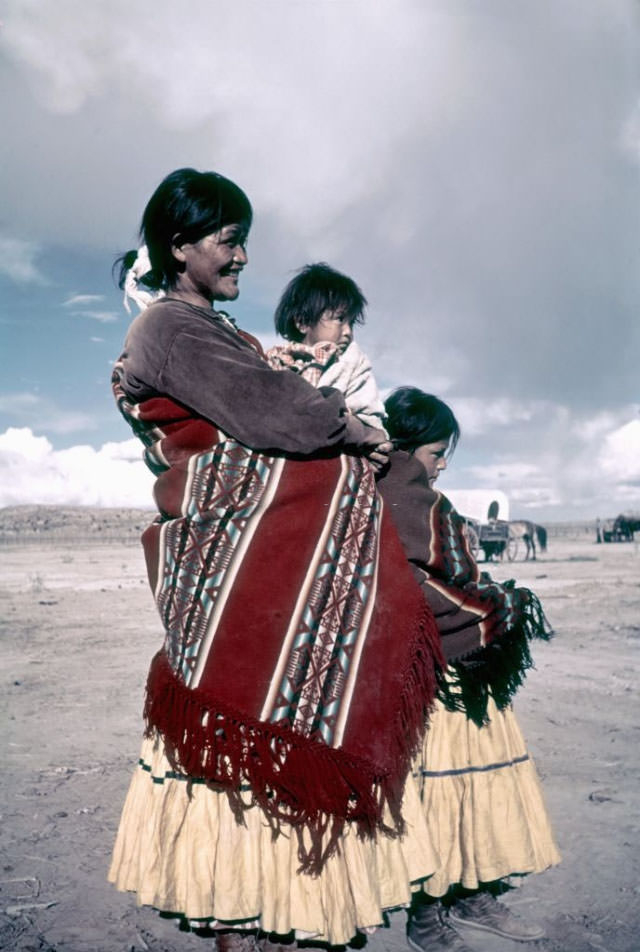
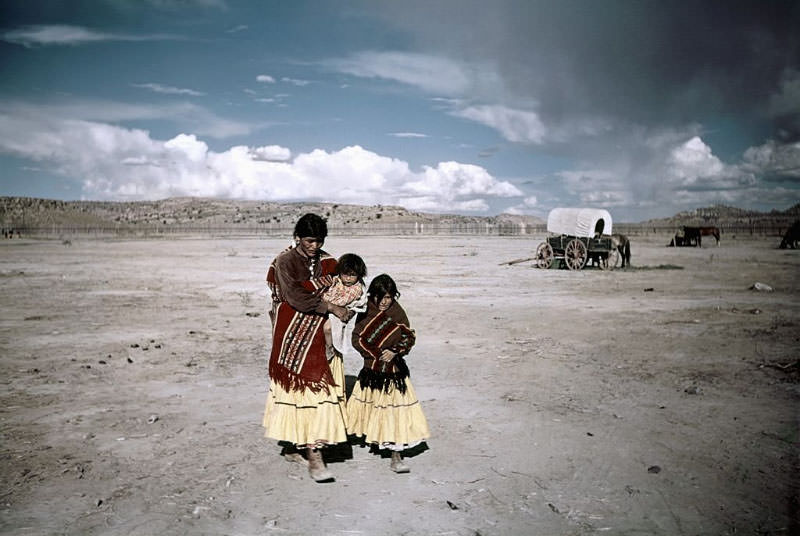
A Native American woman and her two children at the campgrounds.

Children were a constant presence at the ceremonial grounds. They grew up surrounded by the traditions their communities had maintained for centuries, and the ceremonial offered a chance for those traditions to be practiced openly and proudly.
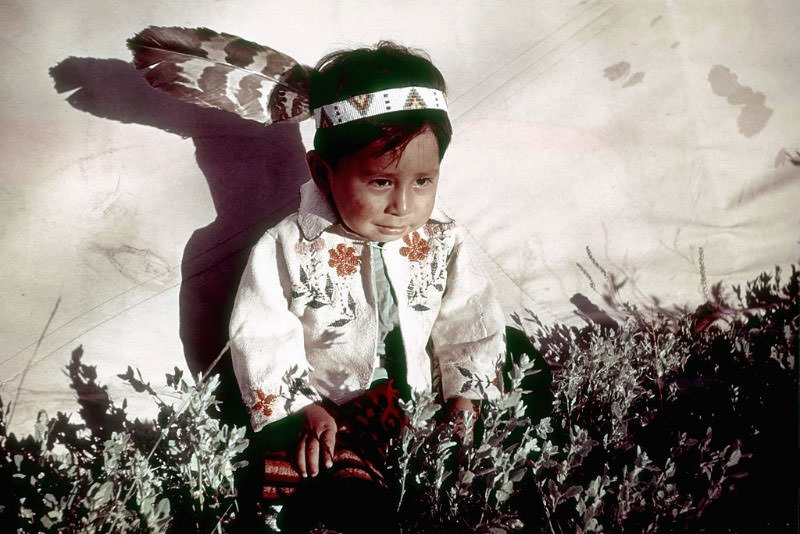
A Native American child sits by his teepee at the campgrounds.

Trade was also a key part of the ceremonial. Participants exchanged goods like animal pelts, crafts, and other materials, continuing commercial practices that had long existed among Native communities across the Southwest.
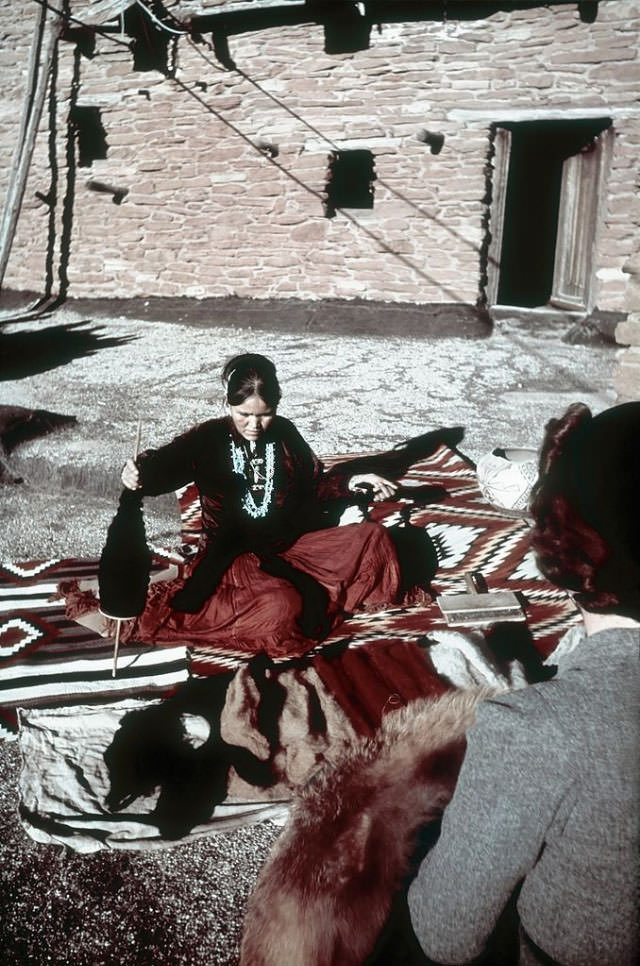
A Native American woman trades pelts.

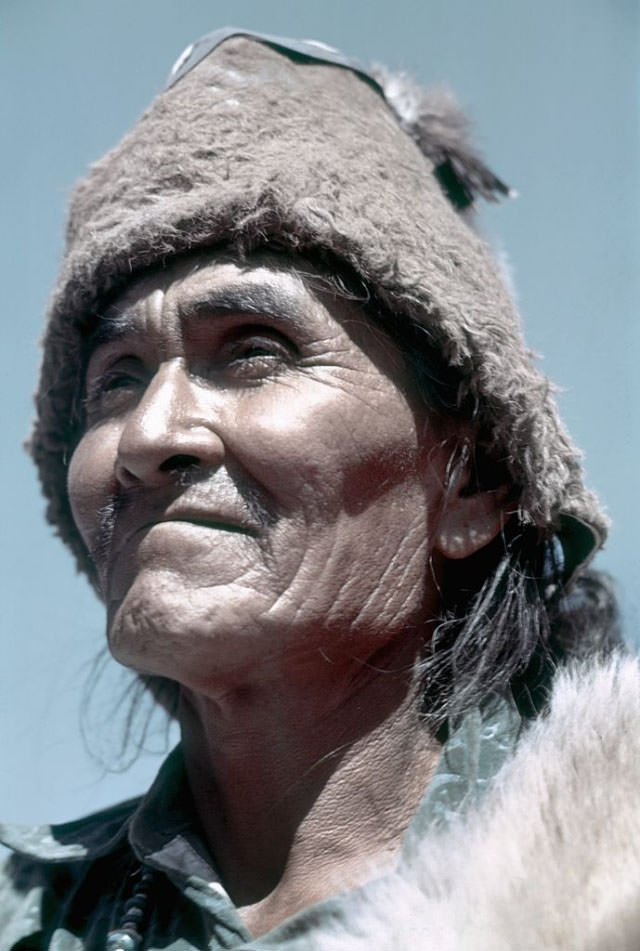
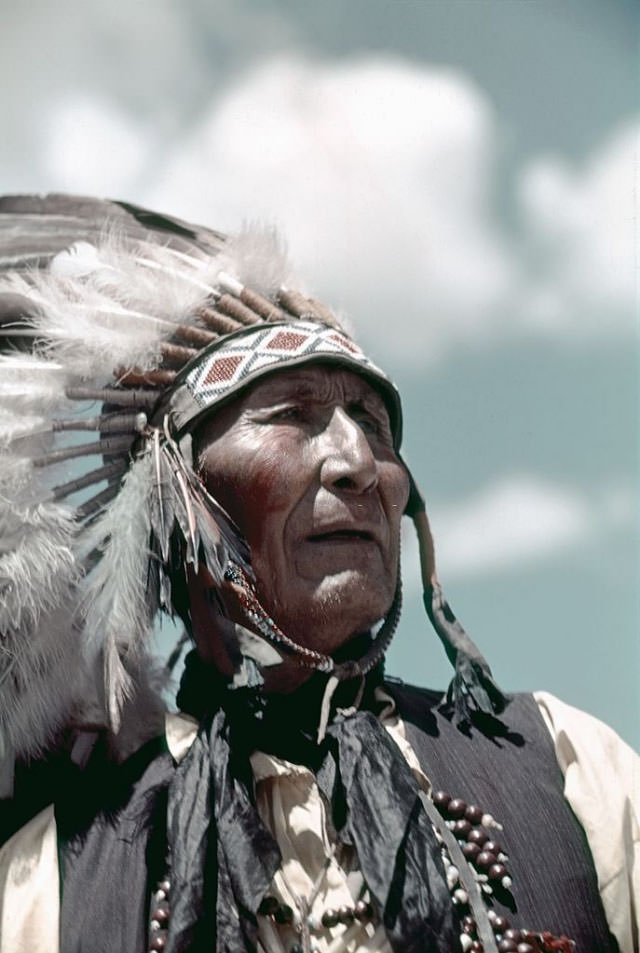
Among the most striking of Dmitri’s subjects were tribal leaders and elders. Their presence at the ceremonial carried significant weight, representing both authority within their own communities and a broader statement of cultural continuity.
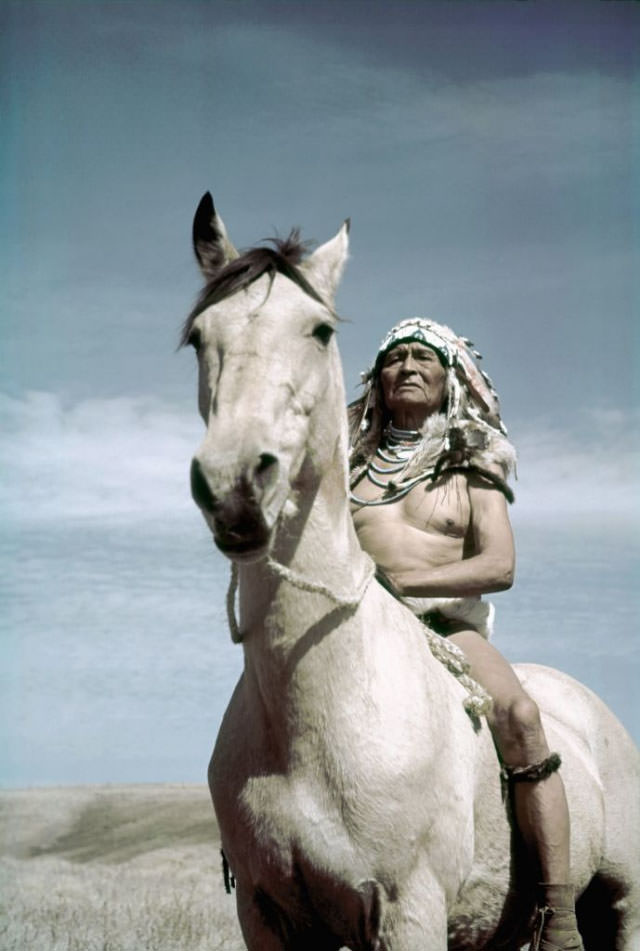
A Native American chief poses for a photo on his horse.
A Native American chief poses for a photo.

Inside the teepees, tribal members gathered to socialize and observe their customs. Smoking a pipe together was a traditional practice with ceremonial meaning for many tribes, and Dmitri’s camera captured these private moments with rare intimacy.
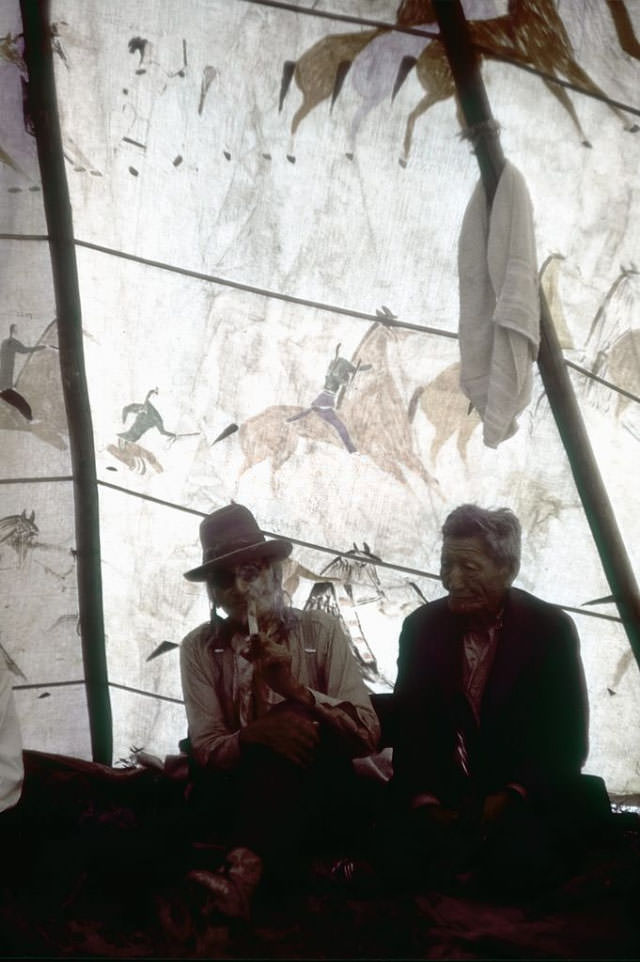
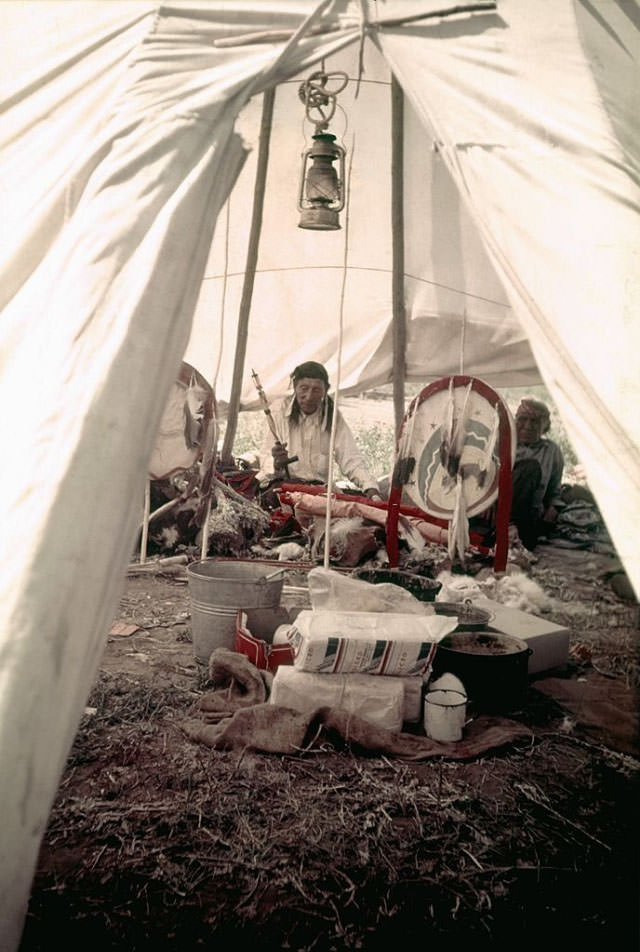
Two Native American men smoke a pipe in their teepee at the campgrounds.

Pueblo women, likely from the Zuni tribe, demonstrated traditional bread-baking techniques that had been used for generations. These practical skills were an important part of what the ceremonial preserved and displayed for participants and visitors alike.
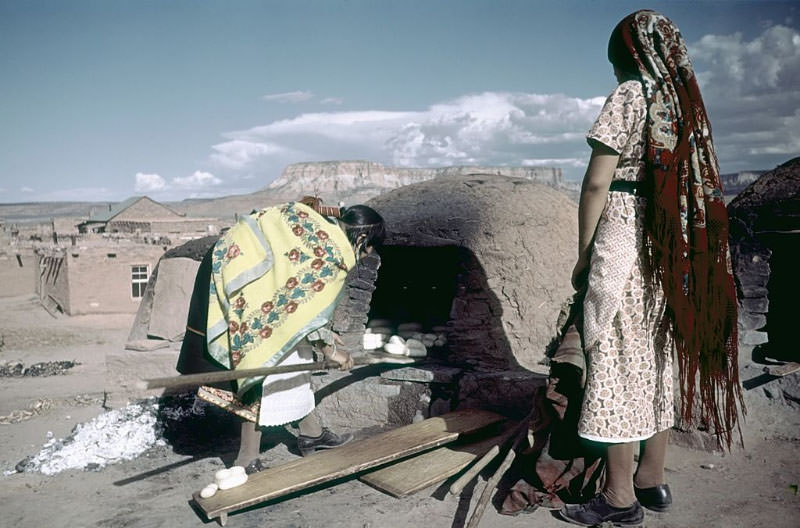
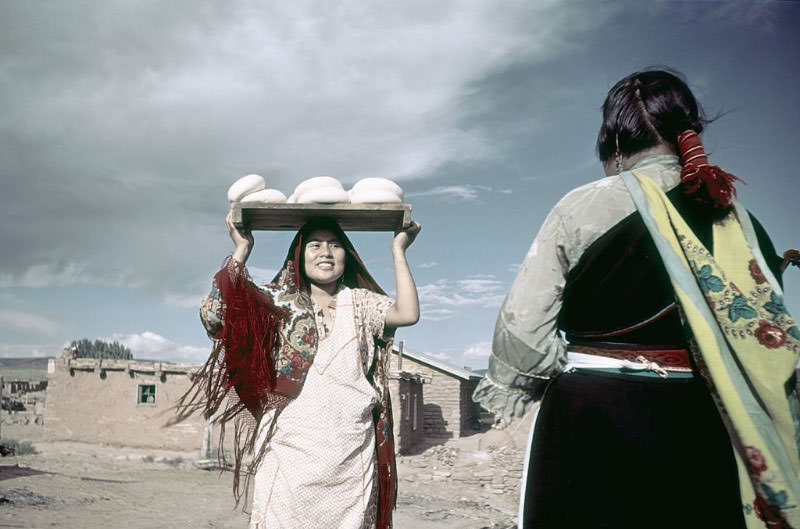
Pueblo women (probably from the Zuni tribe) bake bread.

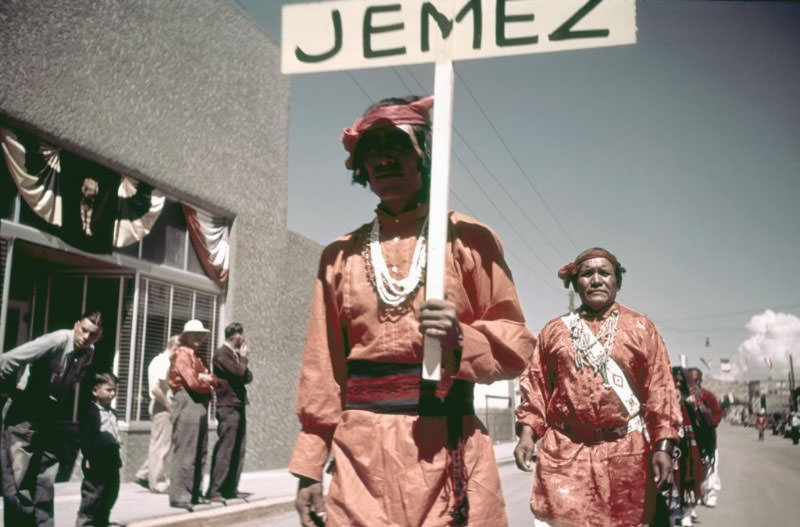
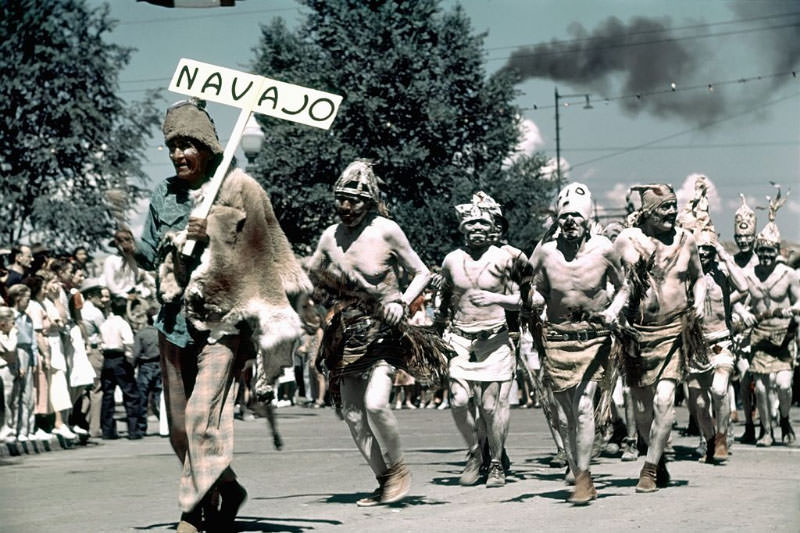
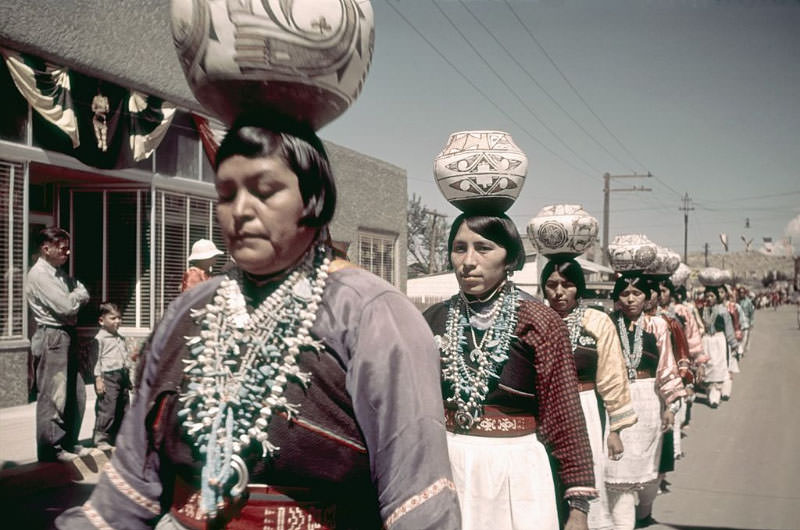
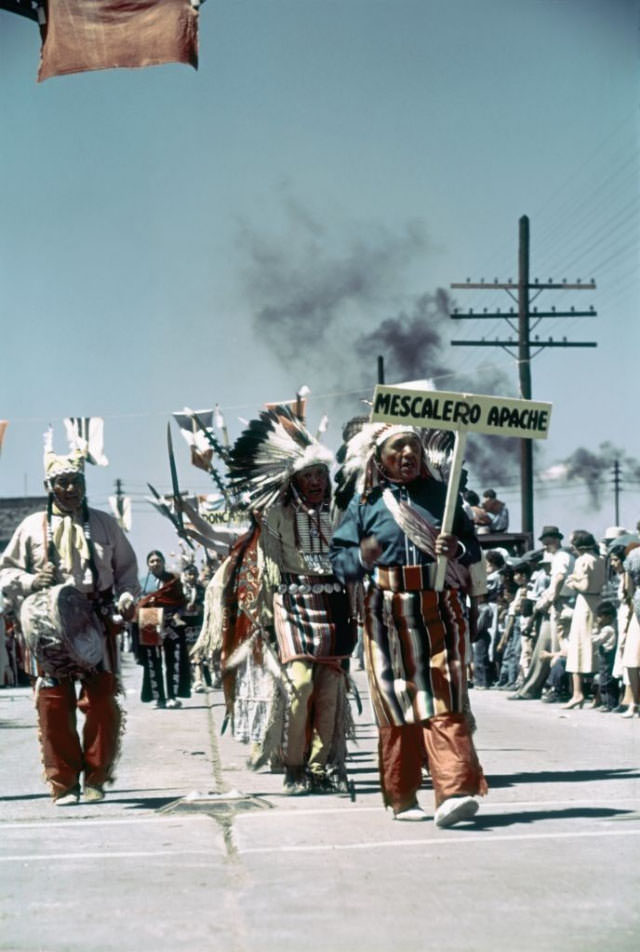
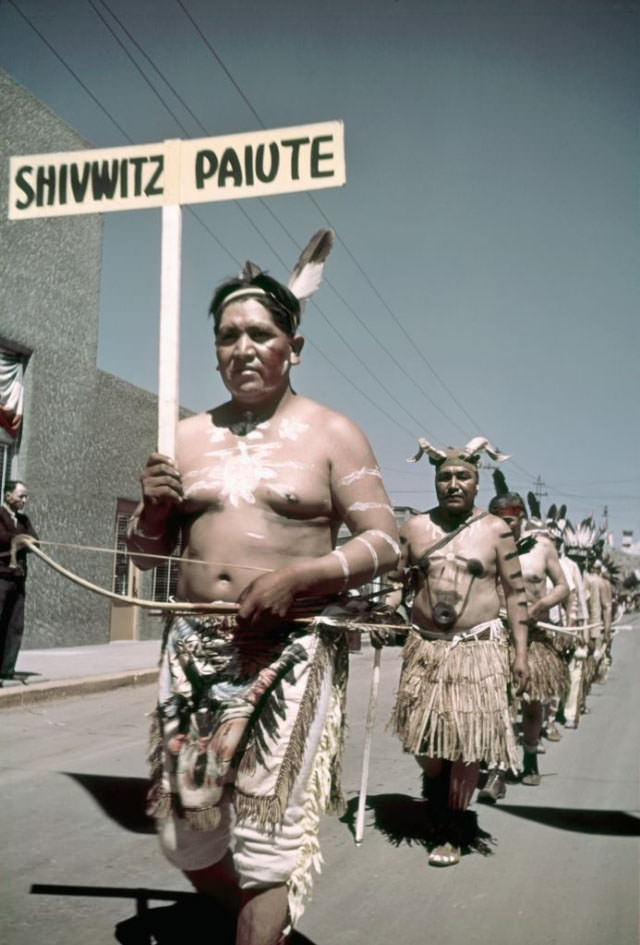
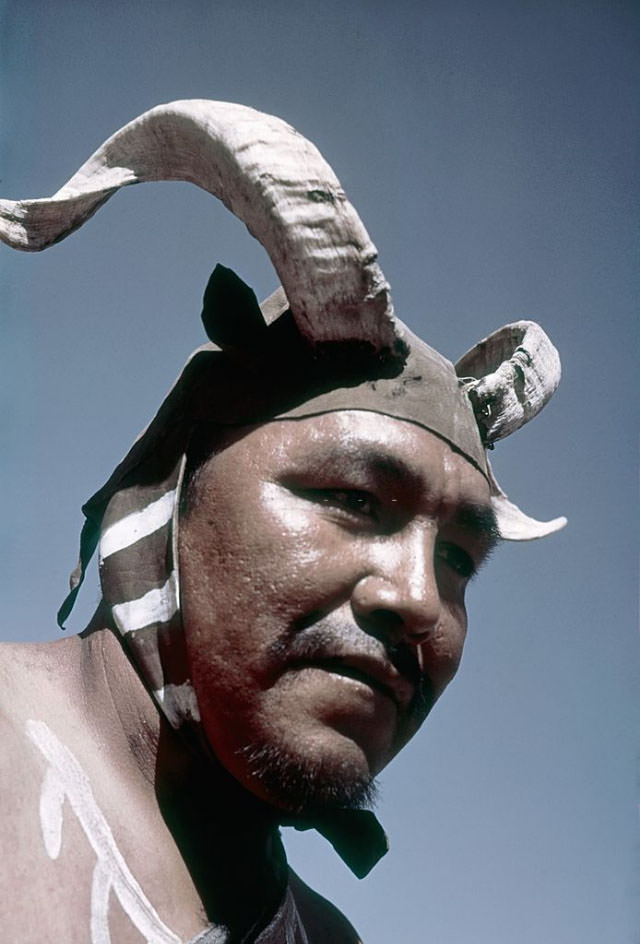
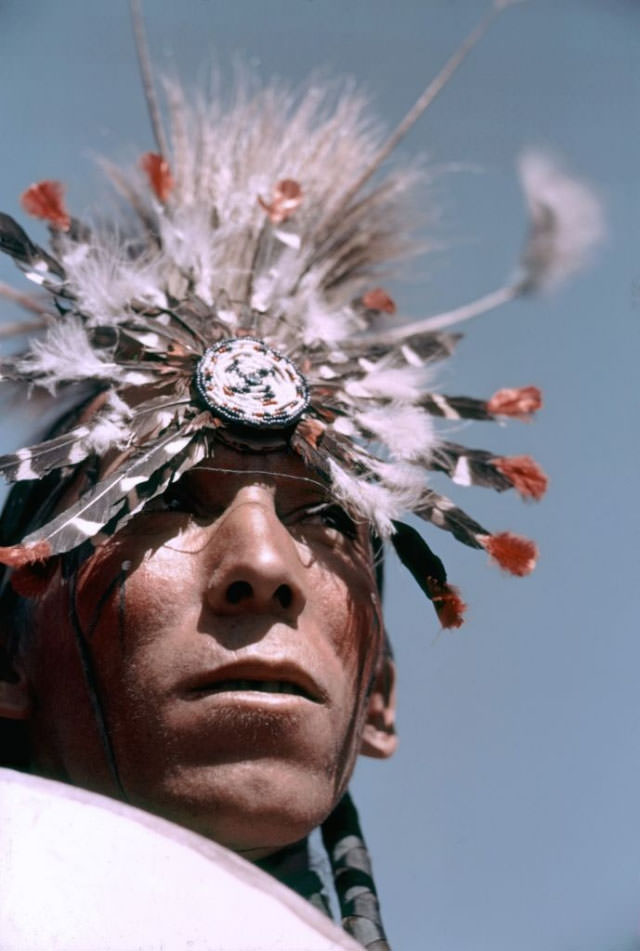
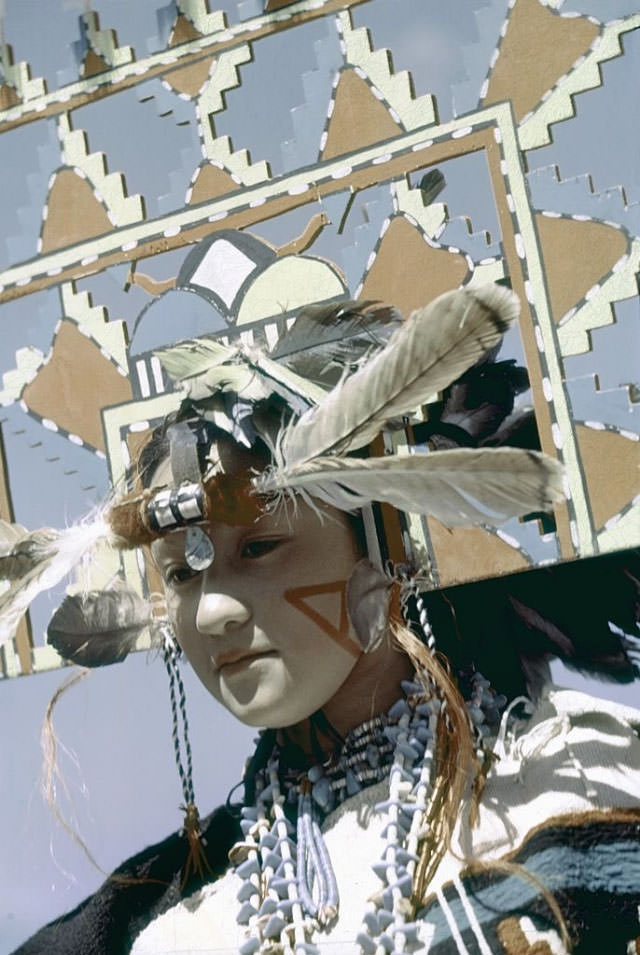
The ceremonial parade was one of the event’s most visible highlights. Tribes including the Acoma, Jemez, Navajo, Zuni, Mescalero Apache, and Shivwitz Paiute all took part, each group displaying their own distinctive dress and regalia. The parade moved through Gallup as a public demonstration of the diversity and strength of Native American cultures across the region.
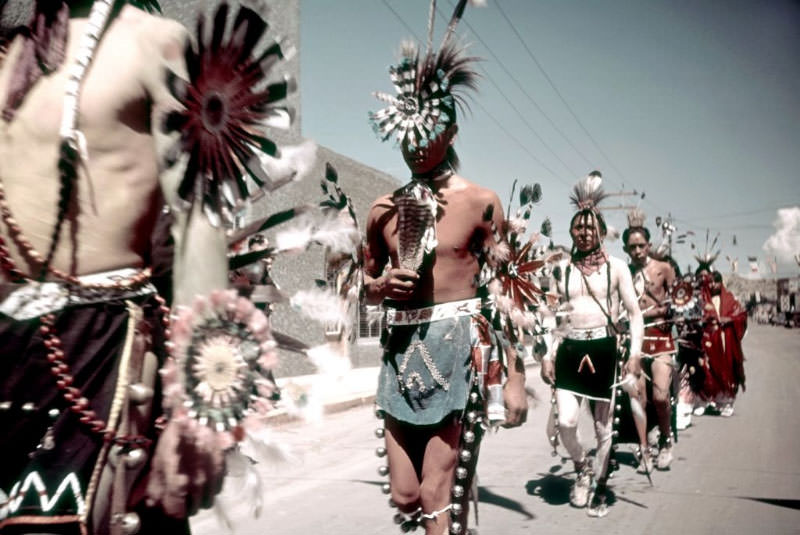
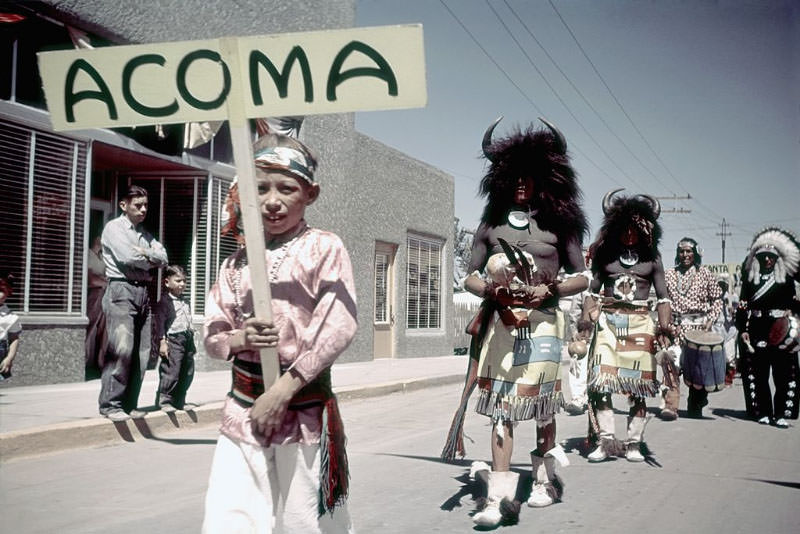
Members of a tribe participate in the parade.
Members of the Acoma tribe participate in the parade.
Members of the Jemez tribe participate in the parade.
Members of the Navajo tribe participate in the parade.
Members of the Zuni tribe participate in the parade.
Members of the Mescalero Apache tribe participate in the parade.
Members of the Shivwitz Paiute tribe participate in the parade.
A member of the Navajo tribe participates in the parade.
A member of the Shivwitz Paiute tribe participates in the parade.
A member of a tribe participates in the parade.

Beyond the parade, the ceremonial featured competitive and ceremonial events that drew on deep tribal traditions. Members of the Shivwitz Paiute tribe demonstrated archery skills, while dancers performed ceremonies with specific spiritual and cultural purposes.
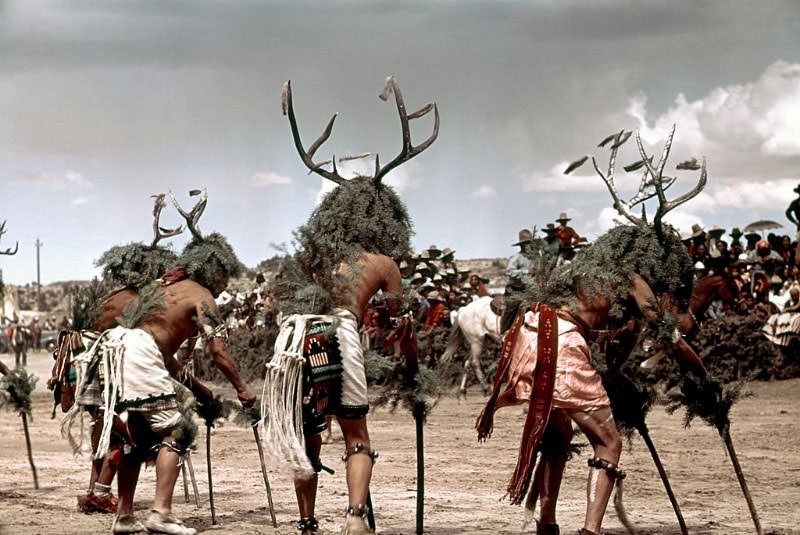
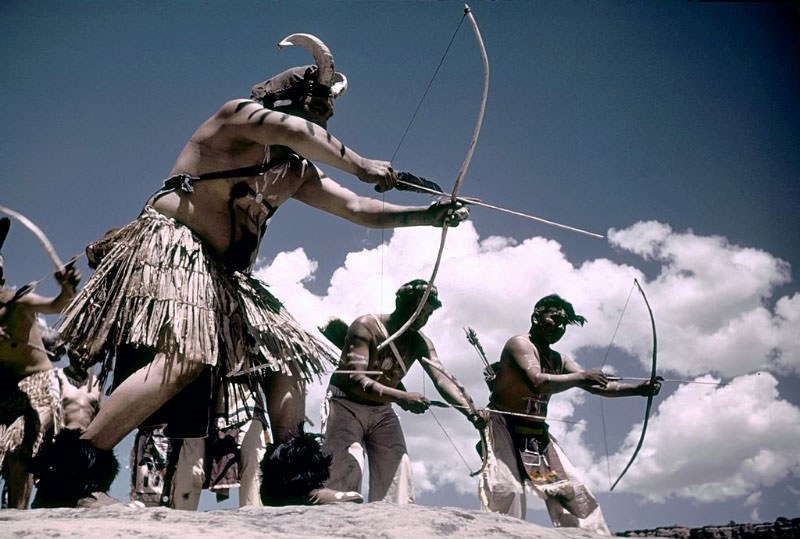
Native Americans from a tribe do a ceremonial dance.
Members of the Shivwitz Paiute tribe show off their prowess with a bow and arrow.

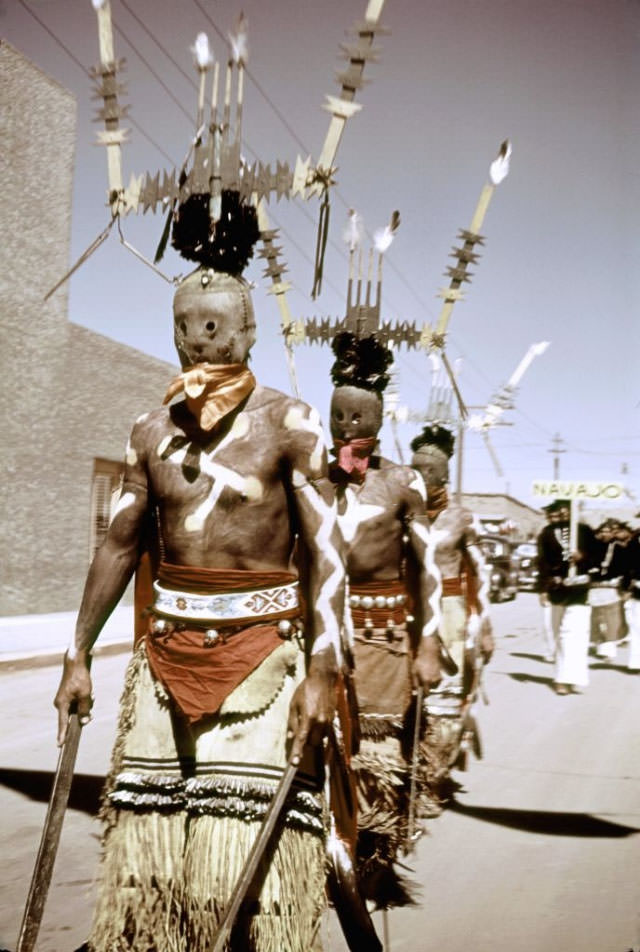
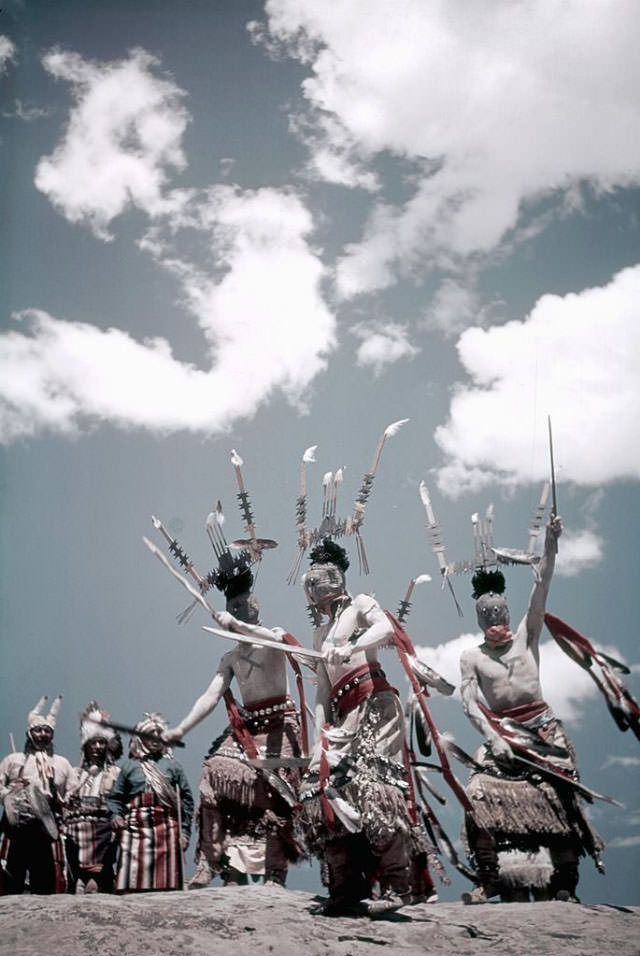
The Mescalero Apache Devil Dance was one of the most dramatic performances at the ceremonial. Dancers wore elaborate headdresses and costumes as part of a ritual tradition tied to spiritual protection and tribal identity. Dmitri photographed multiple moments from this dance, preserving its power and visual complexity.
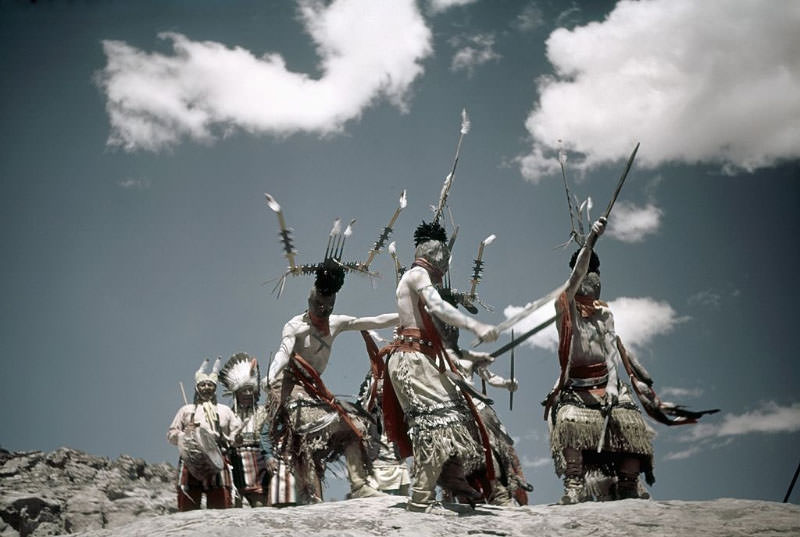
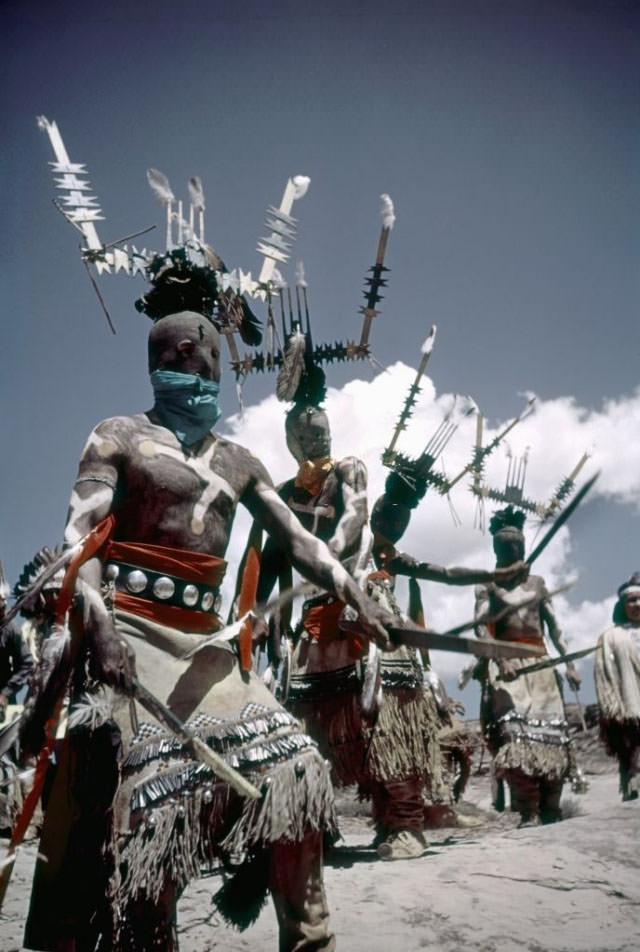
Dancers from the Mescalero Apache tribe participate in the Devil Dance.

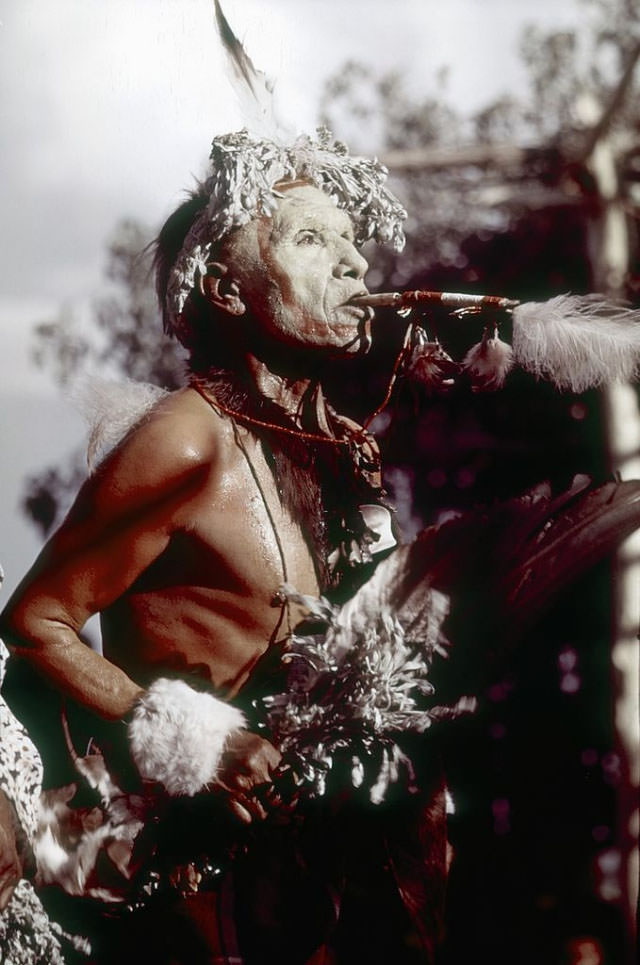
The Sun Dance, practiced by the Lakota Sioux among other Plains tribes, also made an appearance at the 1940s ceremonial. Participants blew eagle bone whistles — instruments made from the wing bones of eagles — as part of this sacred ritual. The Sun Dance is one of the most spiritually significant ceremonies in Plains Indian culture, and its presence at Gallup reflected how broadly the ceremonial drew from Native traditions across the country.
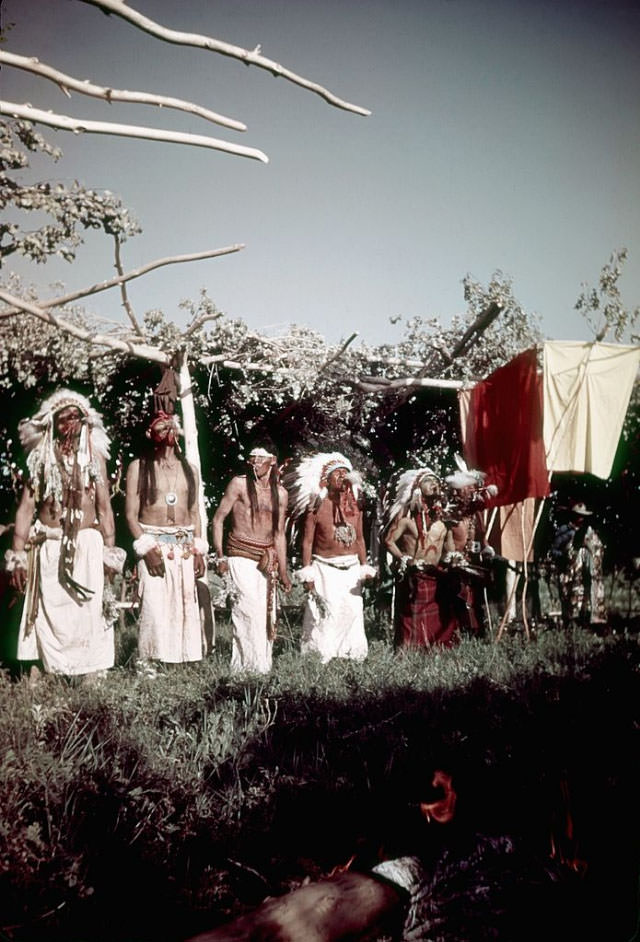
Native Americans (possibly from the Lakota Sioux tribe) blow Eagle bone Whistles while participating in the Sun Dance.
A Native American (possibly from the Lakota Sioux tribe) blows Eagle bone Whistles while participating in the Sun Dance.
Enjoyed this post? Get new ones in your inbox.
Avatar of Aung Budhh

Written by Aung Budhh

Husband + Father + librarian + Poet + Traveler + Proud Buddhist. I love you with the breath, the smiles and the tears of all my life.

Leave a Reply

Your email address will not be published. Required fields are marked *