The Tour de France was not born out of a love of sport. It was born out of a newspaper war. In the early 1900s, Henri Desgrange, editor of the French sports paper L’Auto, was losing readers to a rival publication called Le Vélo. He needed something dramatic to turn things around. A journalist proposed staging a massive cycling race across France — not as a sporting event first, but as a sales promotion. Desgrange agreed, and with that decision, one of the most famous sporting events in history was set in motion.
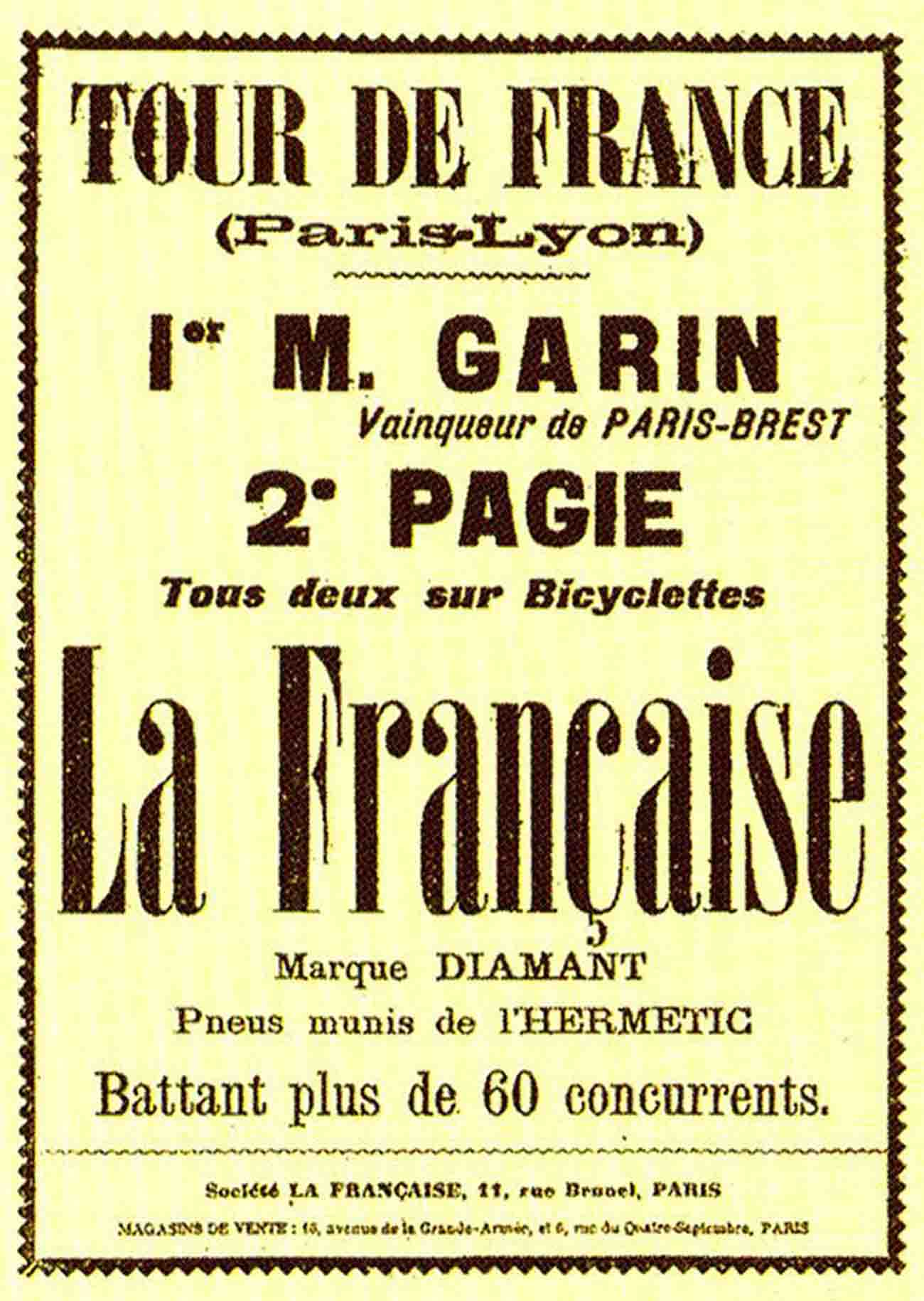
The original plan called for the race to run from June 1 to July 5, 1903, with an entry fee of 20 francs. The response was dismal. Just one week before the scheduled start, only 15 cyclists had signed up. Organizers went back to the drawing board. They pushed the start date to July 19, cut the entry fee in half to 10 francs, raised the total prize money to 20,000 francs, and guaranteed the first 50 finishers at least five francs per day. The changes worked. Eventually, 79 cyclists registered, and 60 of them actually lined up to race.
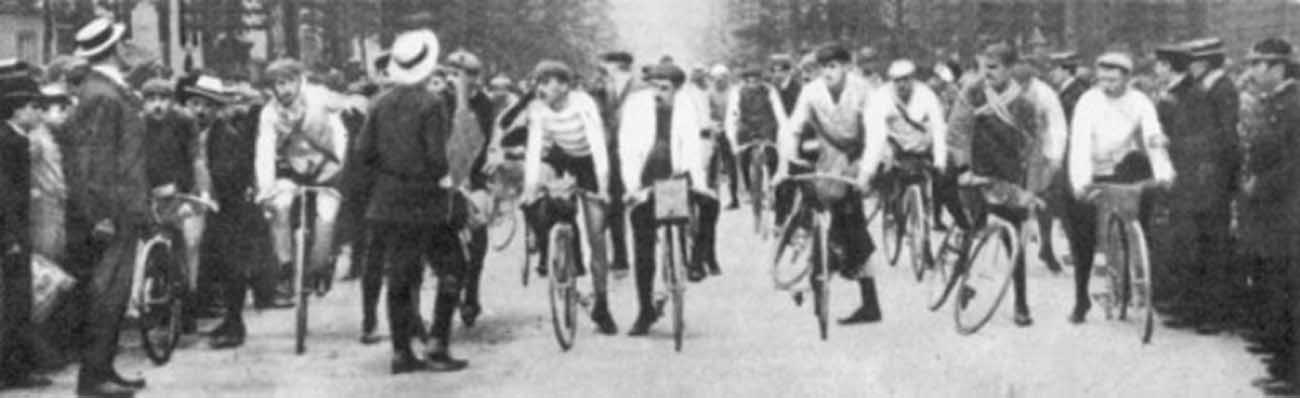
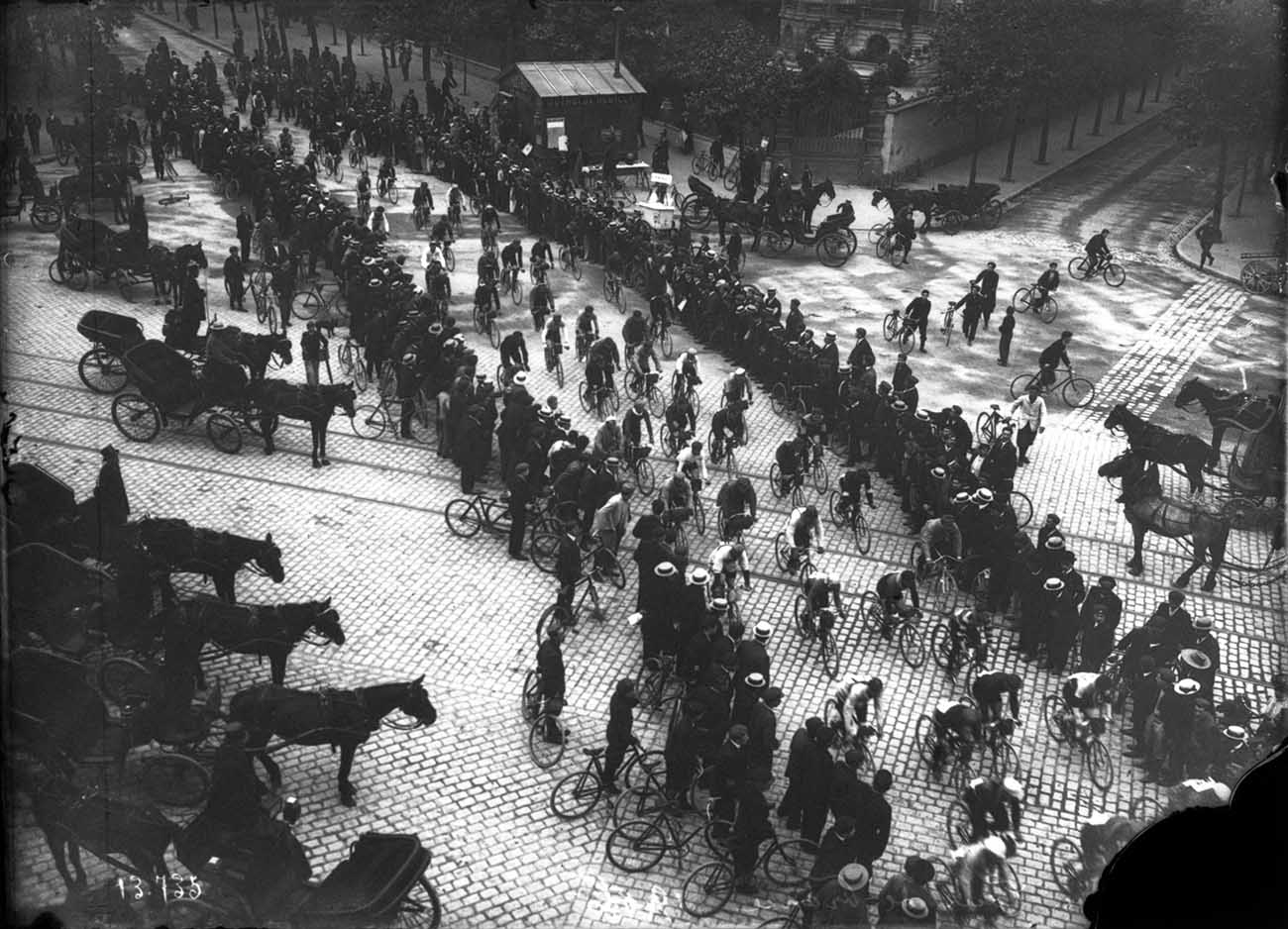
Those 60 riders gathered outside a café on the outskirts of Paris to begin their journey. They were a mixed group — 49 French, 4 Belgian, 4 Swiss, 2 German, and one Italian. Twenty-one of them had sponsors backing them. The other 39 were on their own. Some were full professionals, others semi-professionals, but all of them were about to attempt something that had never been done before: six stages across France, covering more than 400 kilometers per stage. That kind of distance is far beyond what modern stage races demand.
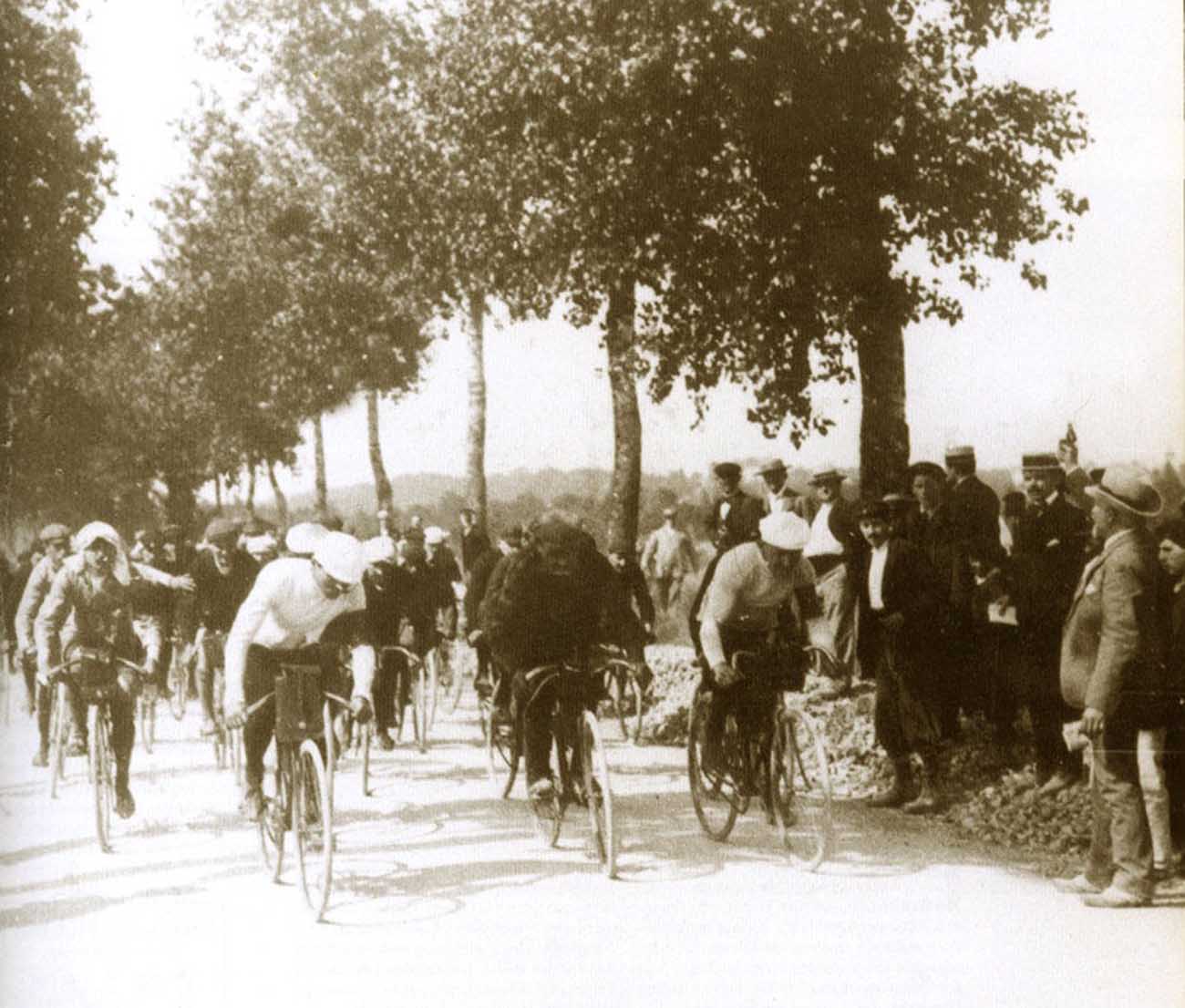
The route was mostly flat, with only one stage that cut through mountainous terrain. Between each stage, riders were given one to three rest days to recover. Unlike today’s team-based race, every rider competed as an individual. One major feature of 1903 cycling was the use of pacers — hired riders who would ride ahead and set the speed for the main competitors. The practice was allowed for the first five stages, but Desgrange banned pacers after stage five, and they were also barred from the final stage, the longest of the race.
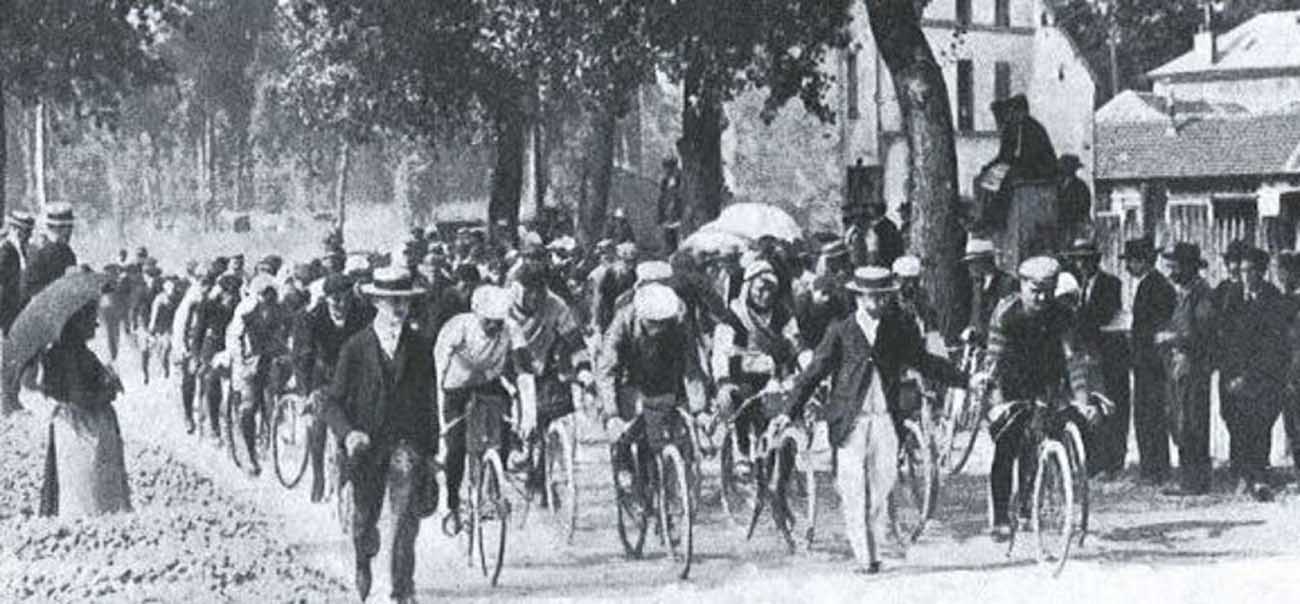
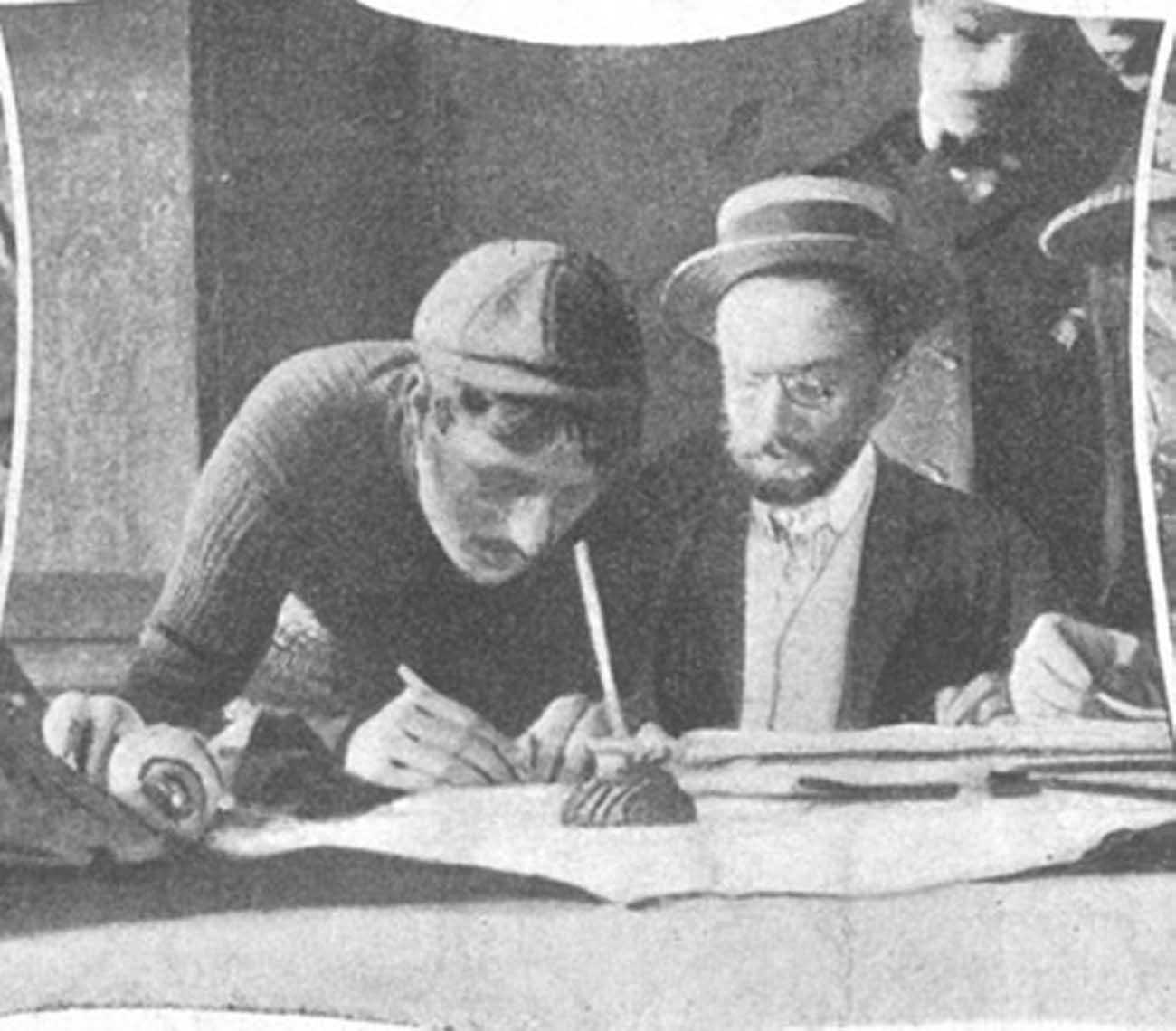
To keep riders honest across such vast distances, stewards were positioned at various checkpoints along every stage. Riders had to sign in at these stops to prove they had ridden the full route. It was a basic but necessary system for a race spread across the entire country.
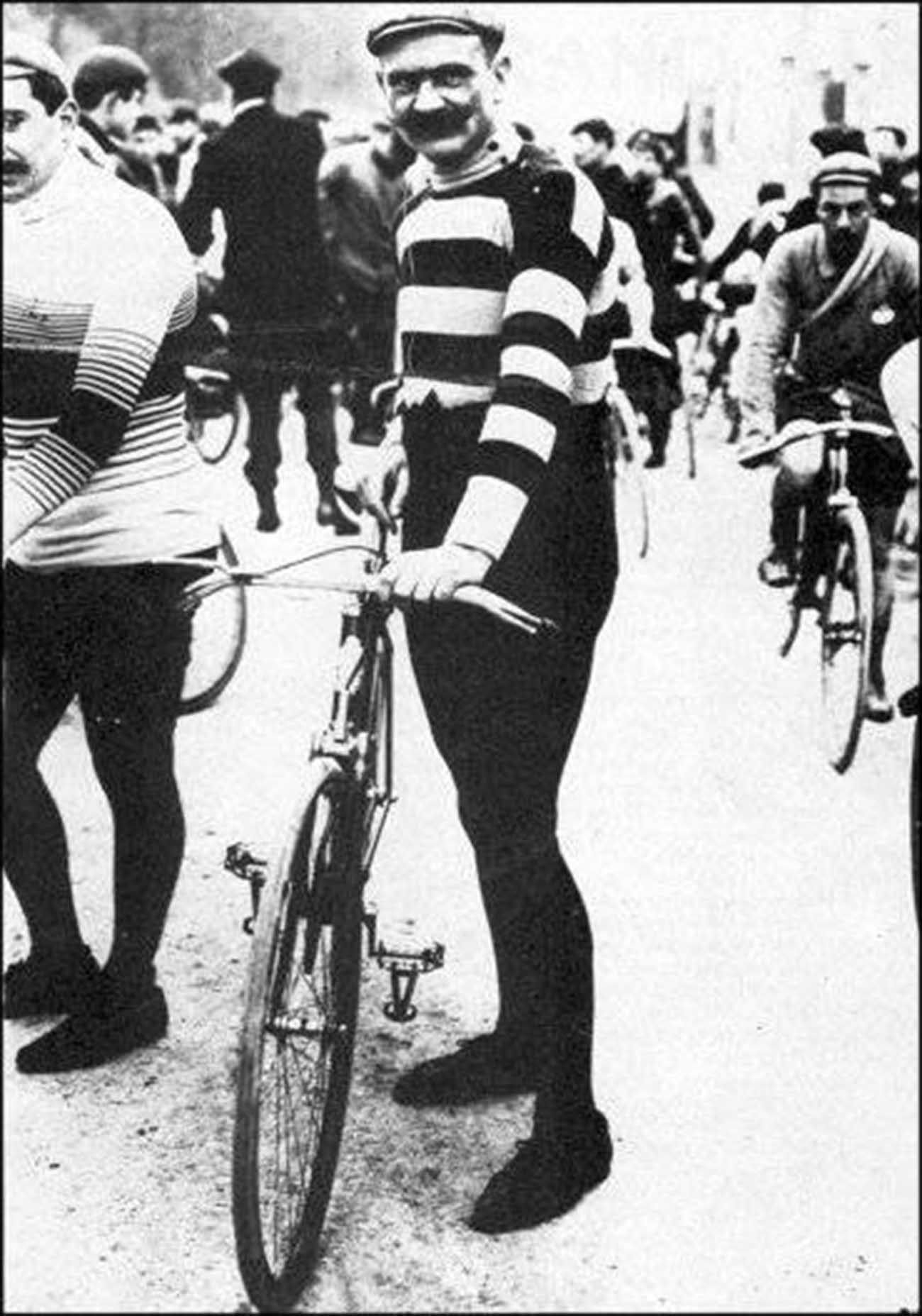
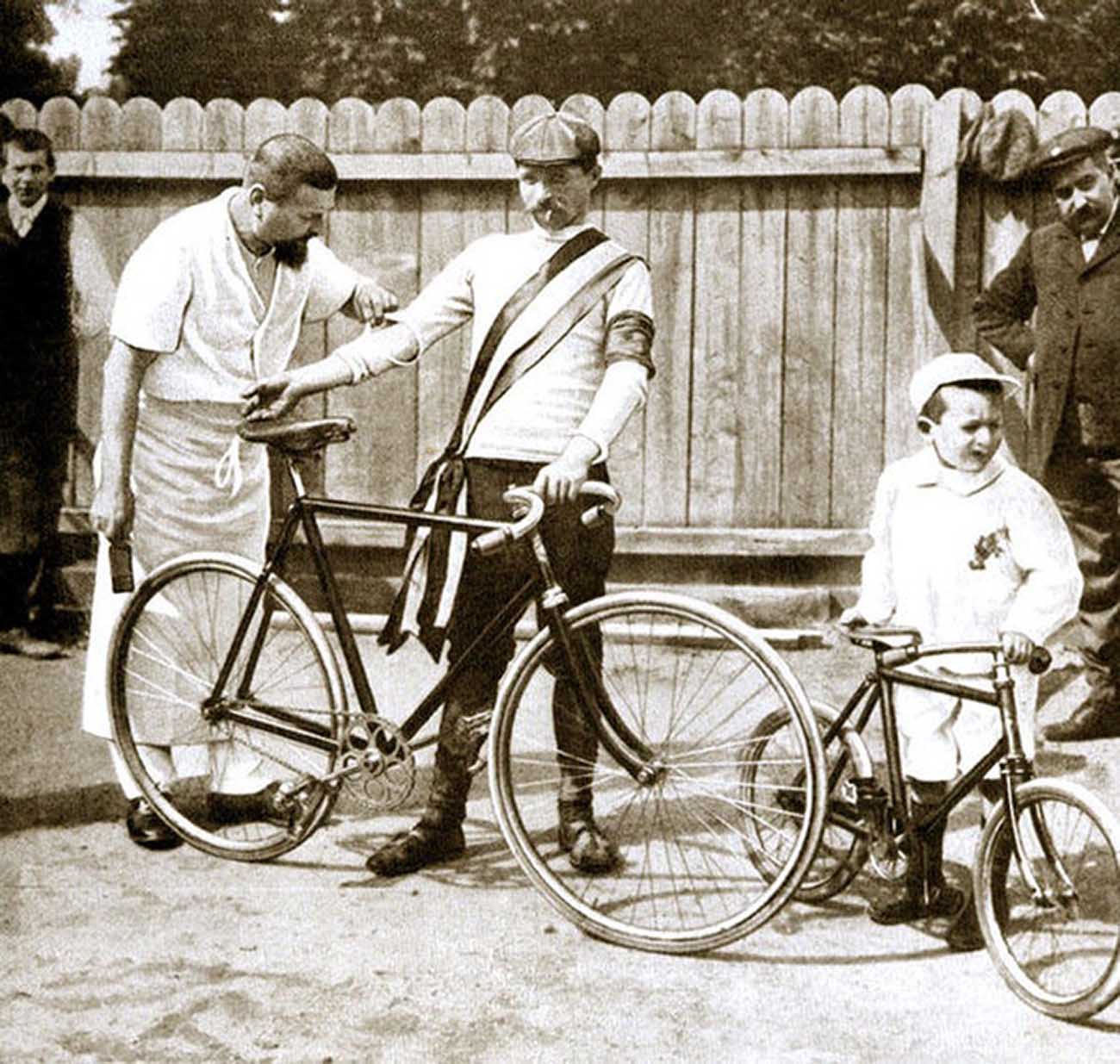
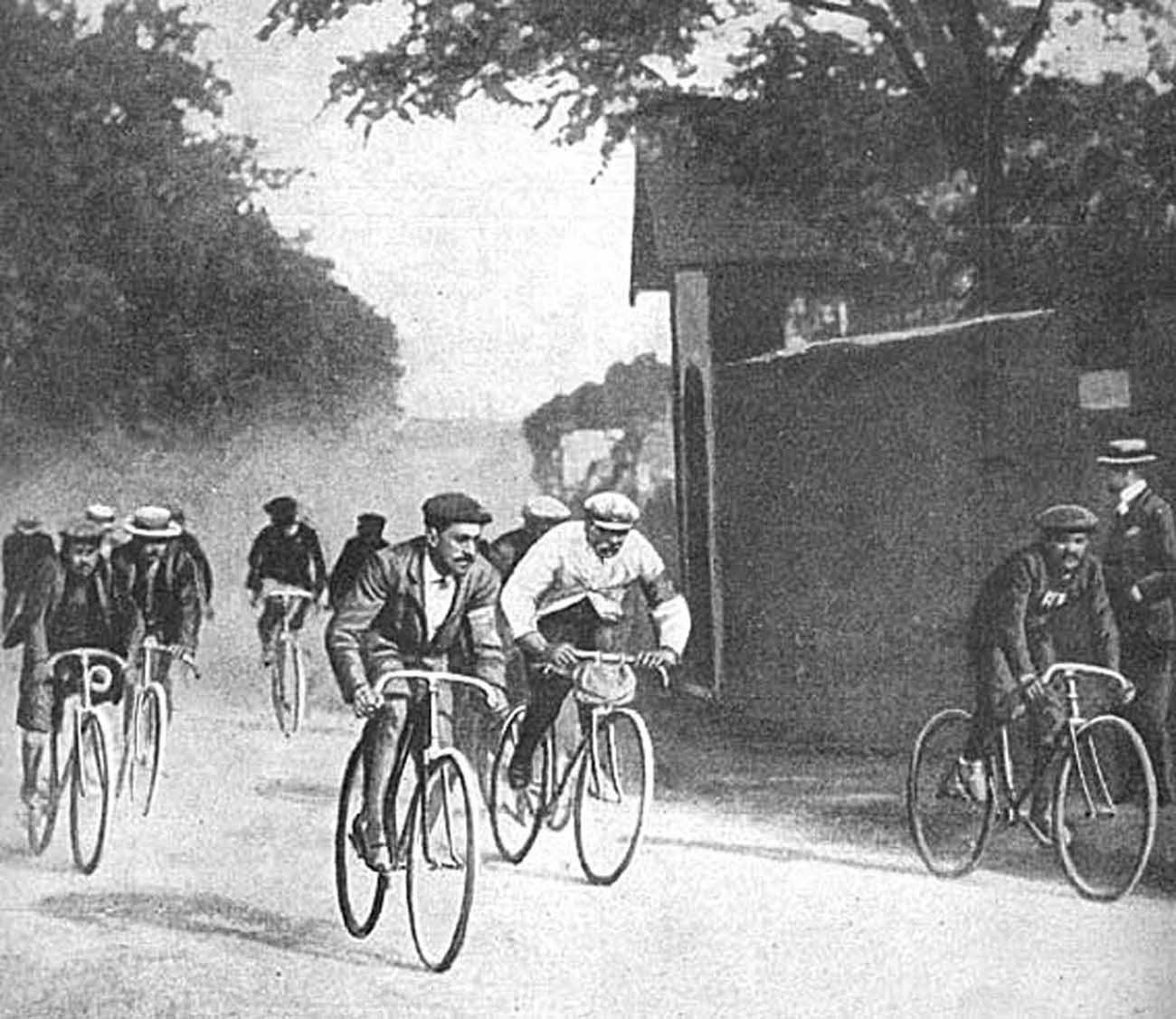
There was no yellow jersey in 1903. The race leader was identified by a green armband worn on the arm — a small, simple marker compared to the iconic jersey that would come later. The rider who wore that armband for most of the race was Maurice Garin, a chimney sweep turned professional cyclist who dominated the event from start to finish. Garin won the first stage and never relinquished his lead. He also took the final two stages, crossing the finish line with a three-hour margin over the second-place finisher.
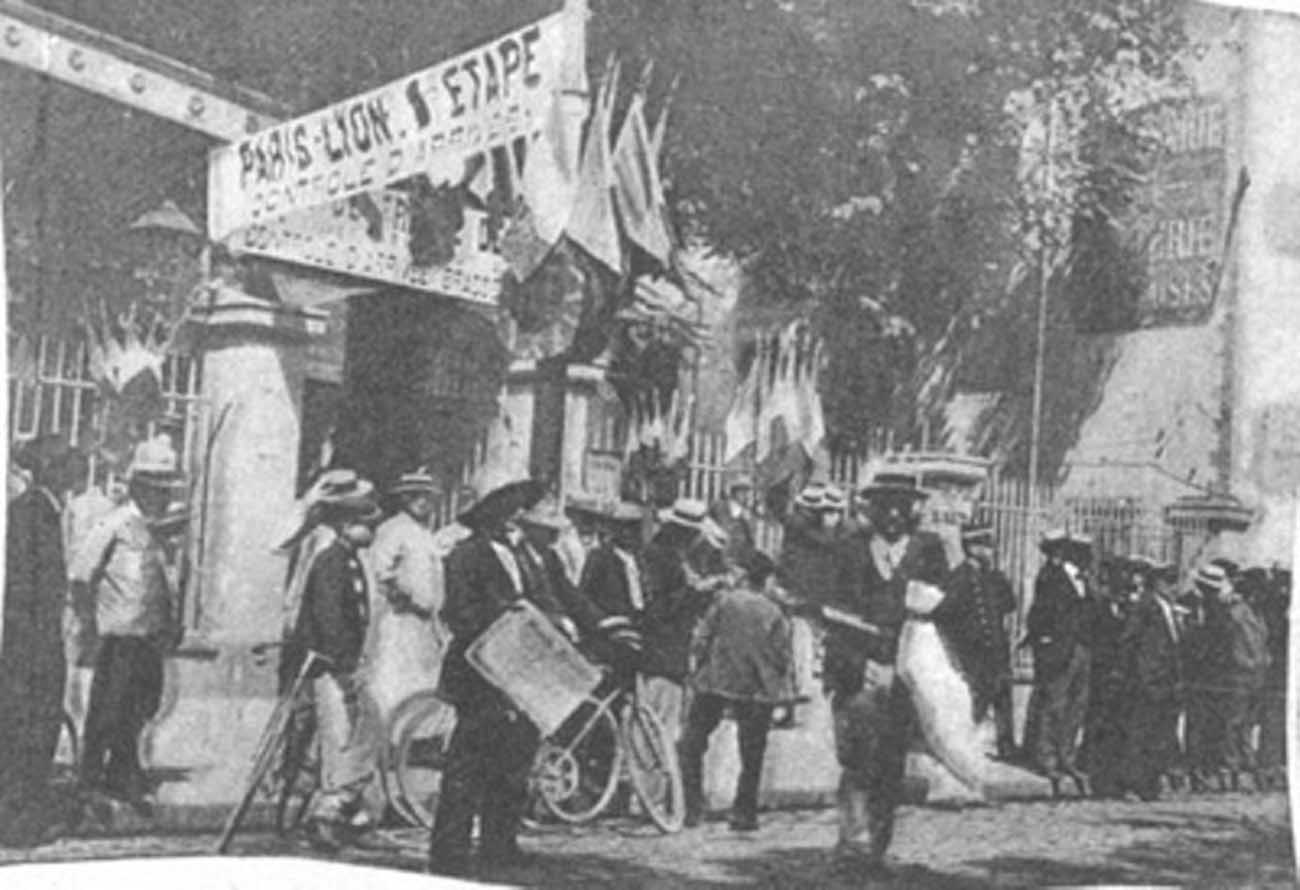
The first stage finished in Lyon, giving the crowd there a glimpse of what this new race looked like in person. Further along the route, Bordeaux hosted another historic moment — the finish of a stage won by the Swiss rider Charles Laeser, making him the first-ever foreign stage winner in Tour de France history.
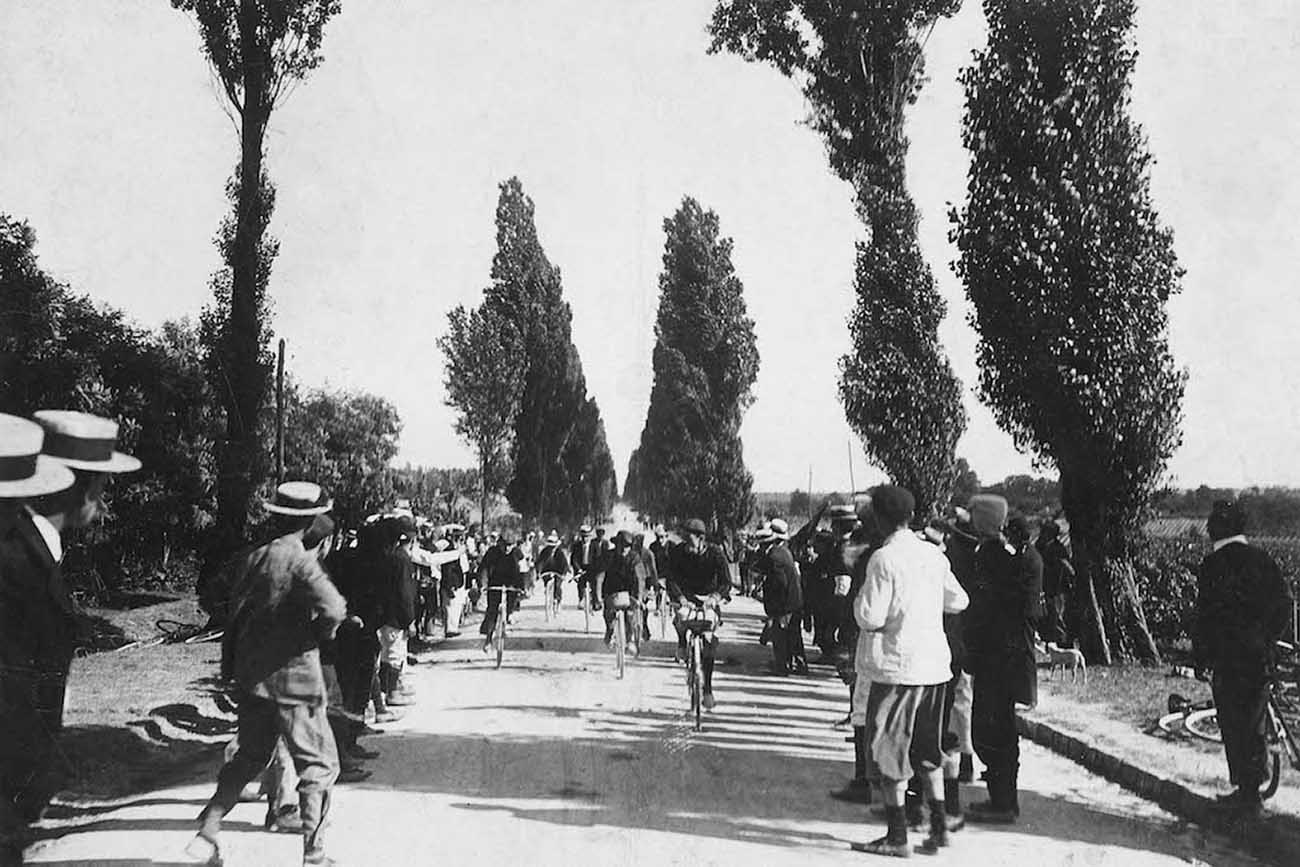
Along the way, riders had to manage the brutal physical demands of racing hundreds of kilometers on primitive roads with early-generation bicycles. Nutrition on the road was handled at basic feeding zones, where riders grabbed whatever they could carry in metal bidons — the simple water containers that were standard equipment at the time.
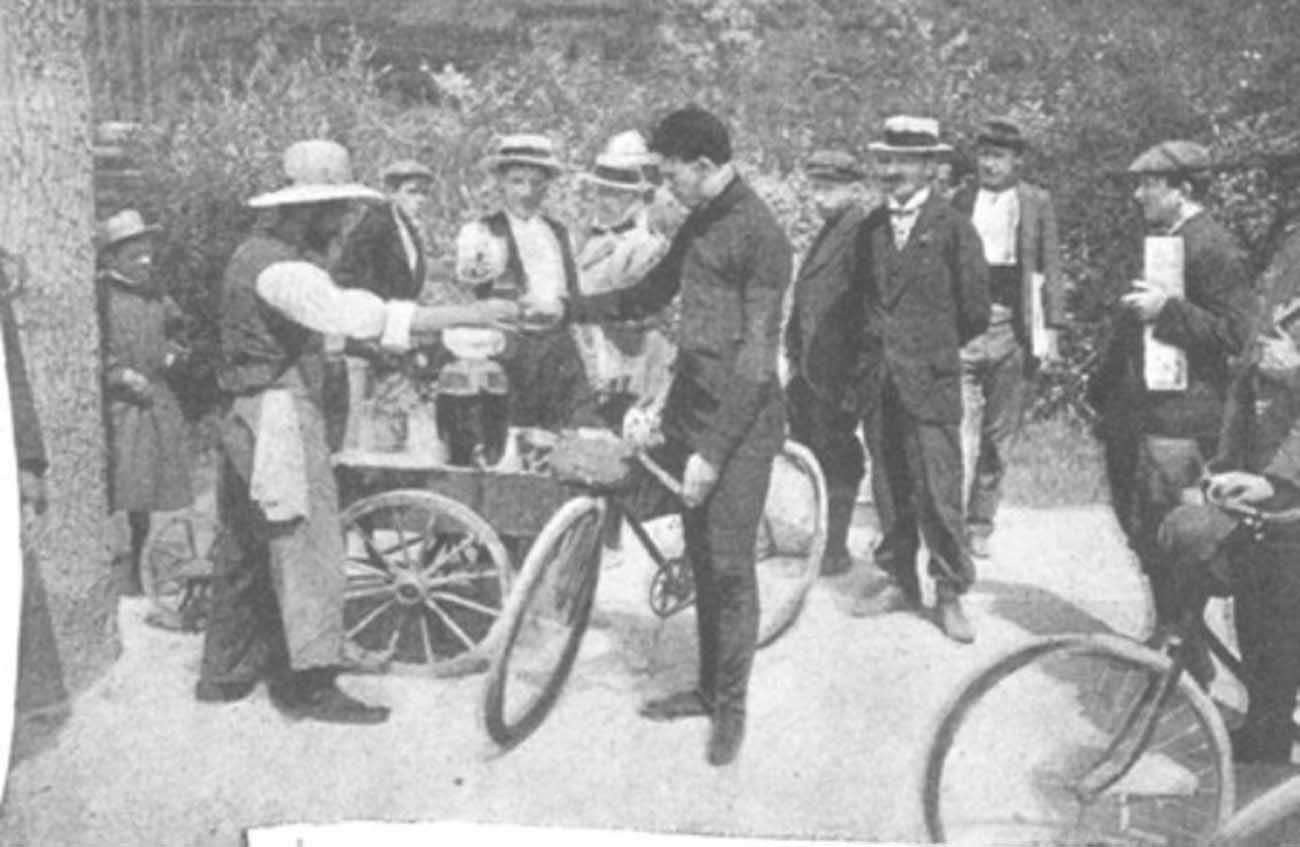
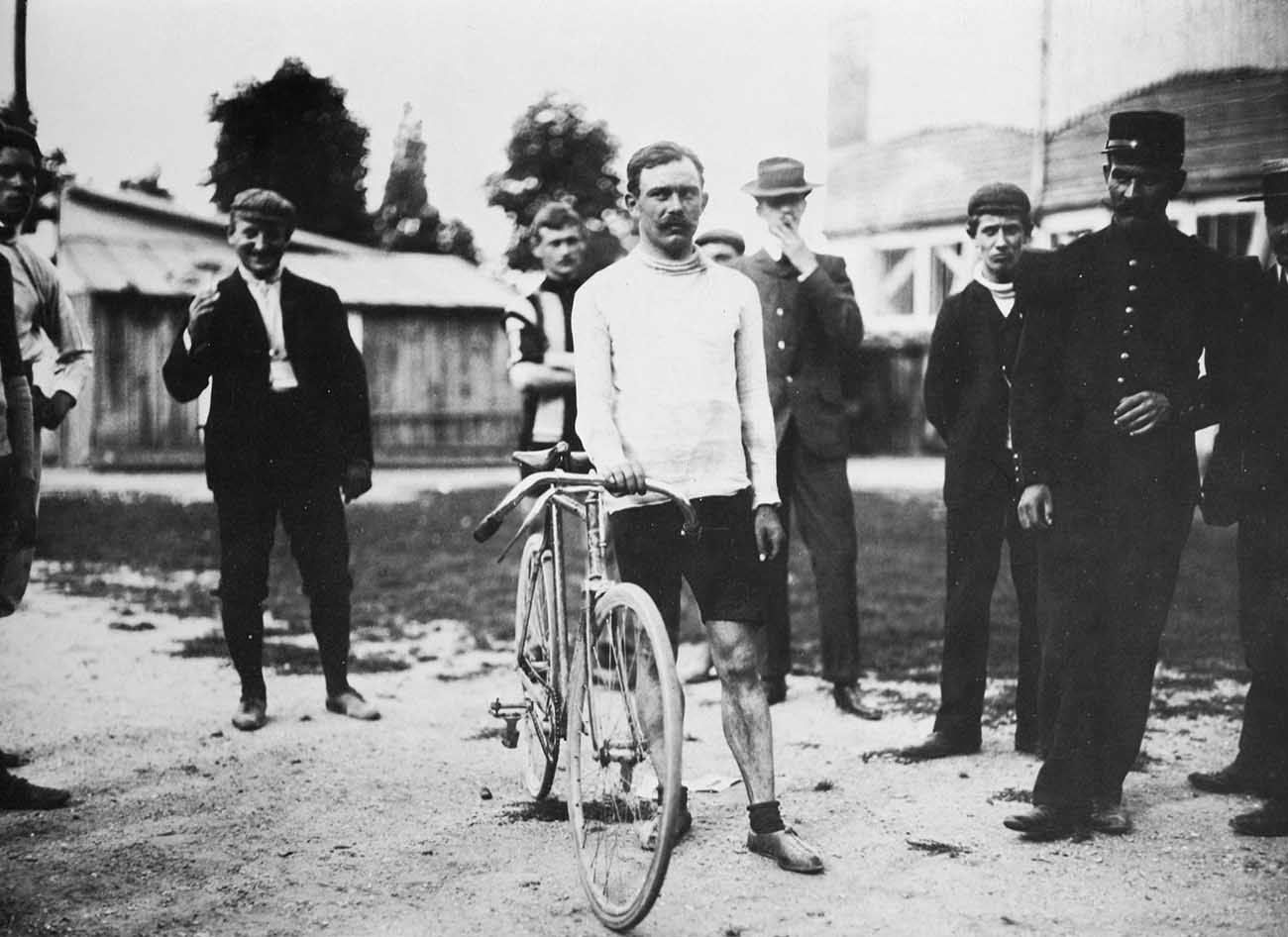
Among the riders who made it through the grueling stages were men like Marcel Kerff and Lucien Pothier, whose faces now survive only in photographs. Pothier finished second overall behind Garin. These were ordinary men doing something extraordinary — riding through France across distances that would challenge even modern athletes with modern equipment.
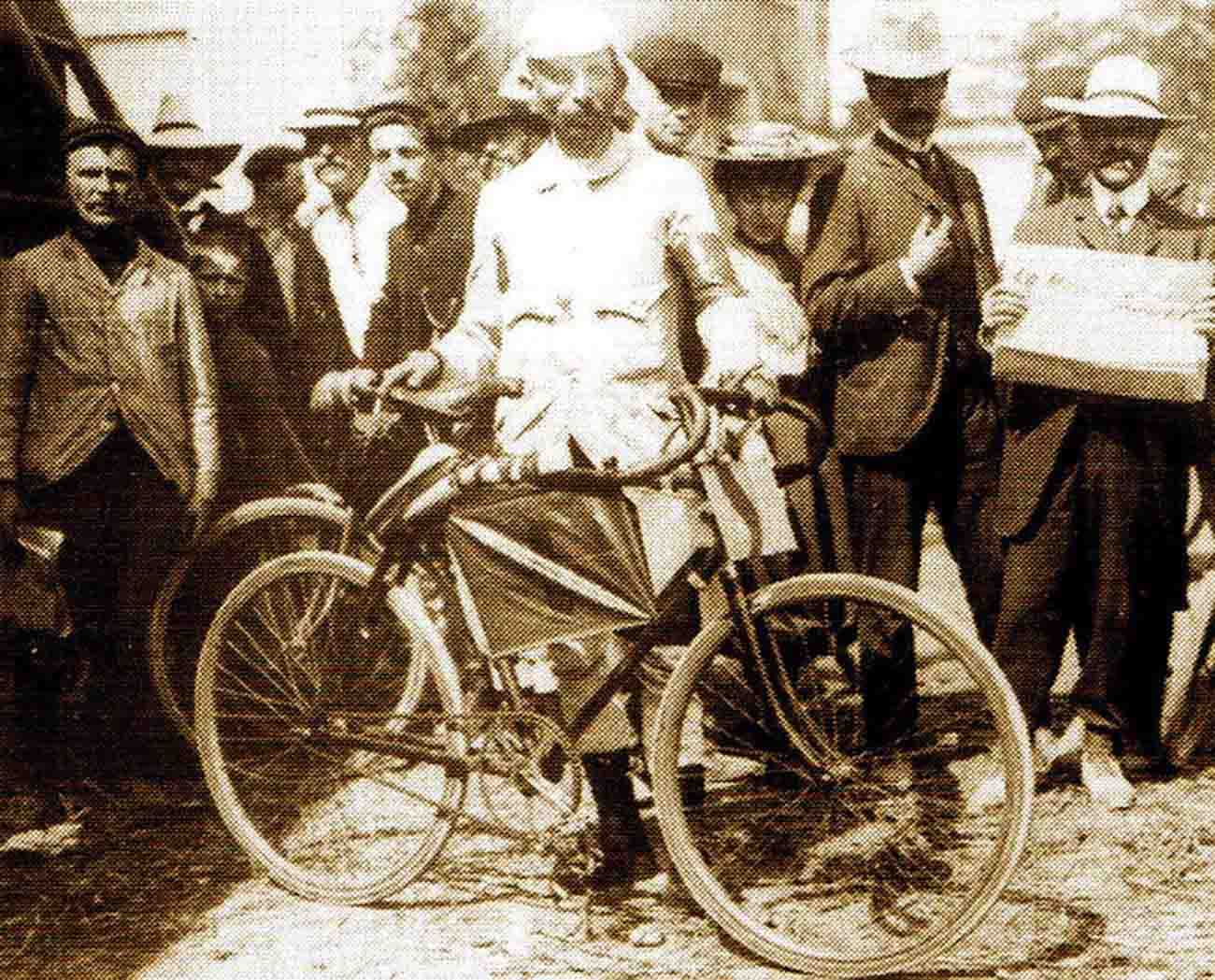
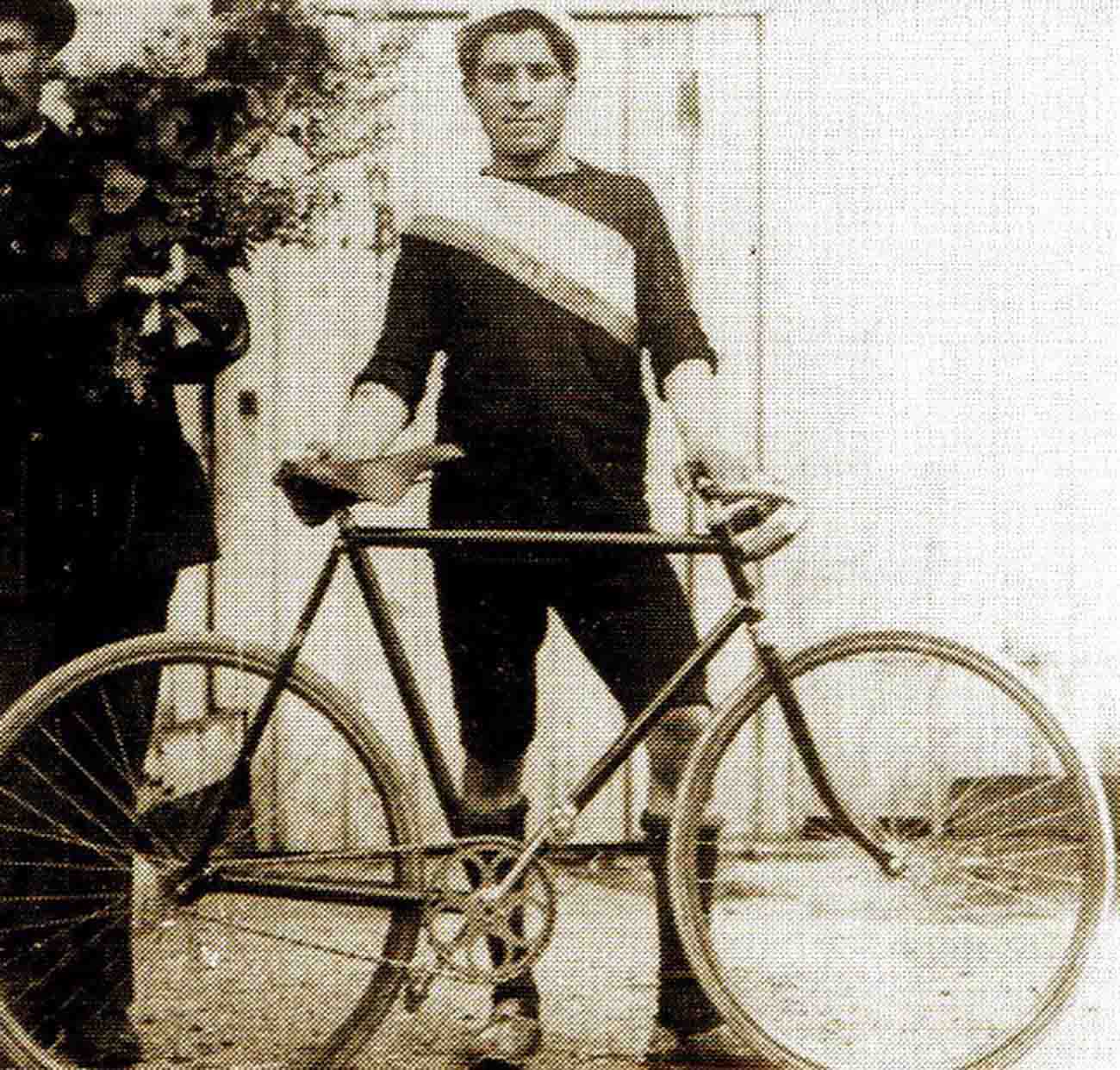
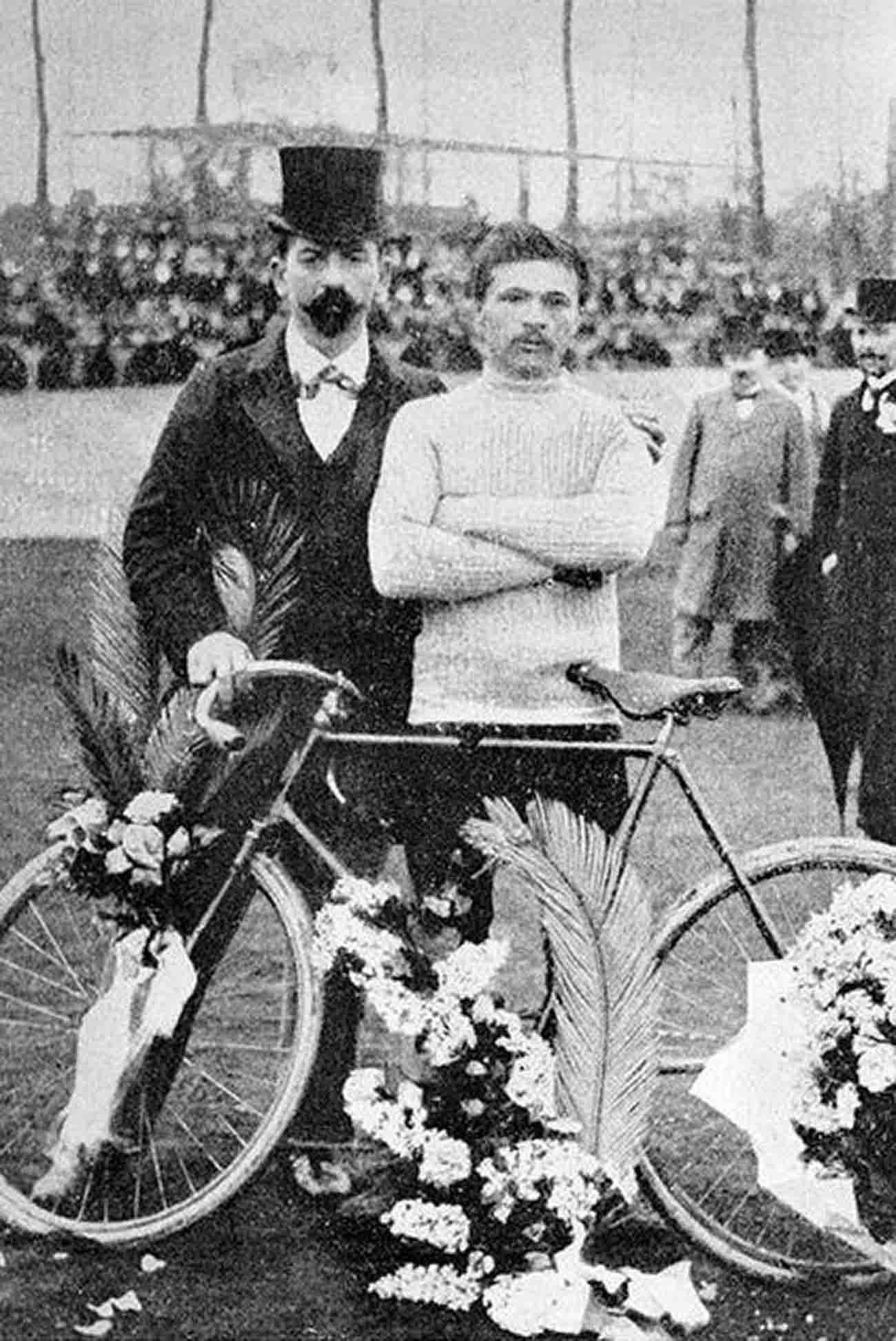
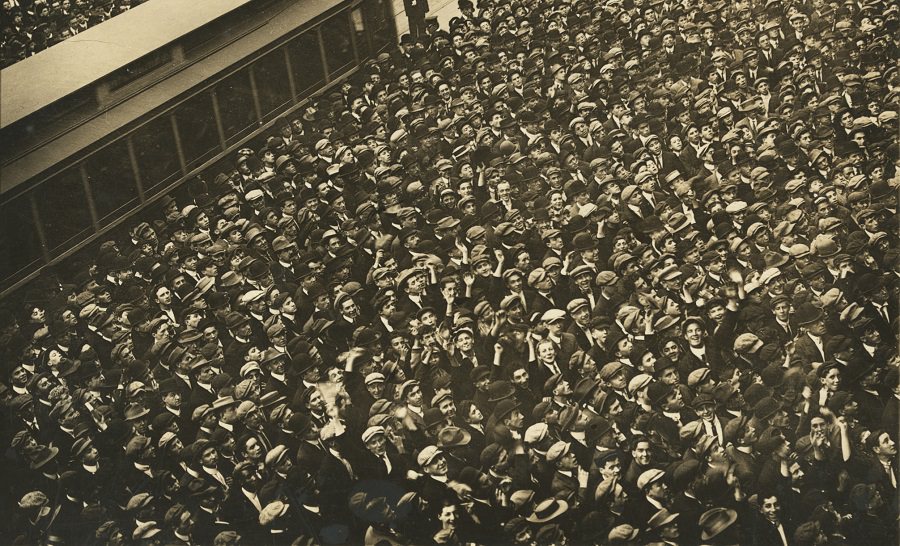
When the race finally ended in Paris, the riders were escorted to the Parc des Princes velodrome. There, they completed several laps of honor in front of a cheering crowd as a bugle played. Champagne was poured. Garin was mobbed by fans who had followed his progress across the country through the pages of L’Auto.
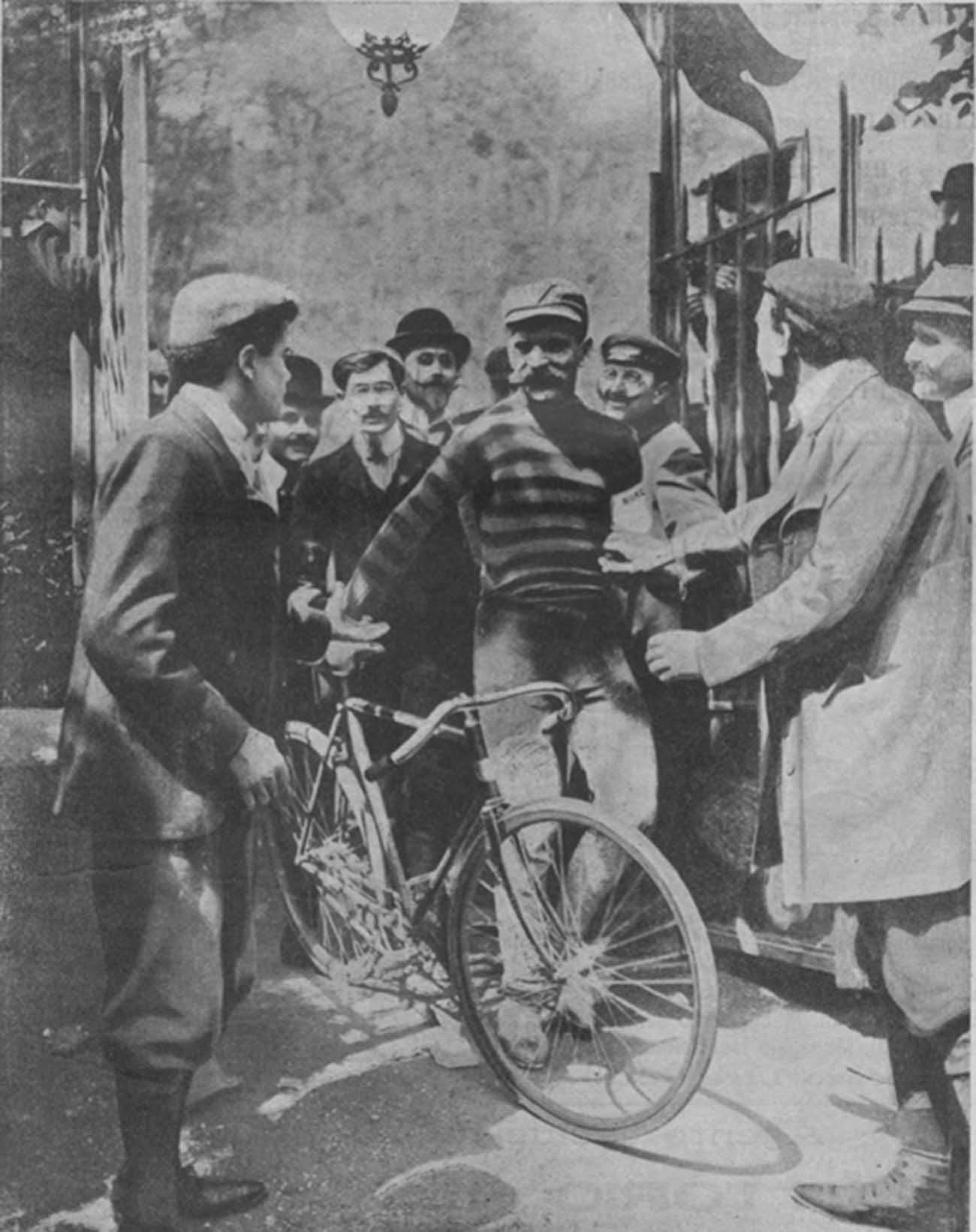
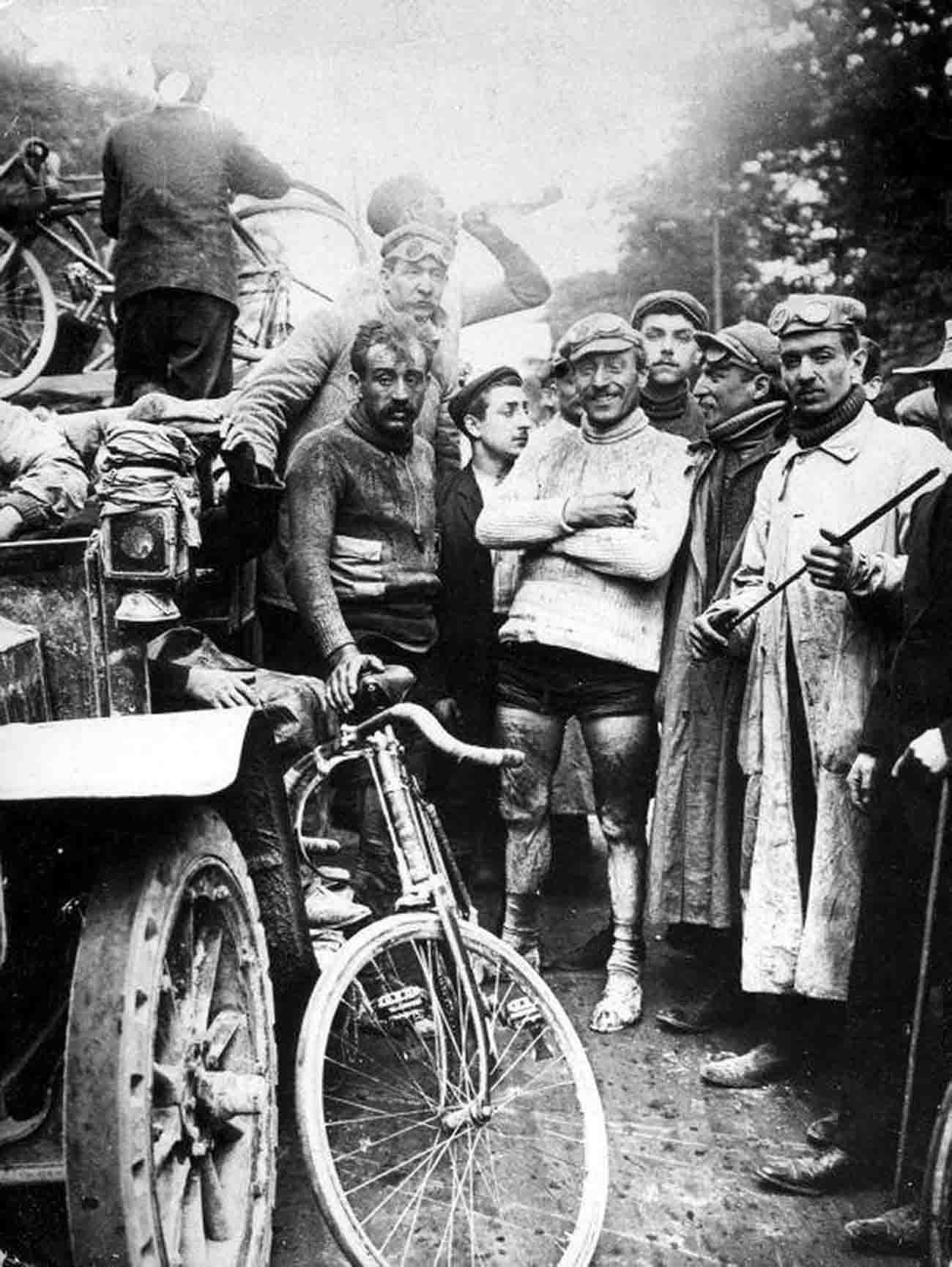
The publicity stunt had worked beyond anyone’s expectations. L’Auto printed a special edition of 130,000 copies to cover the race’s conclusion. The paper’s regular daily circulation jumped from 25,000 to 65,000. Desgrange had his answer to Le Vélo — and the cyclists, who had set off from outside a bar just weeks earlier, had become national heroes.
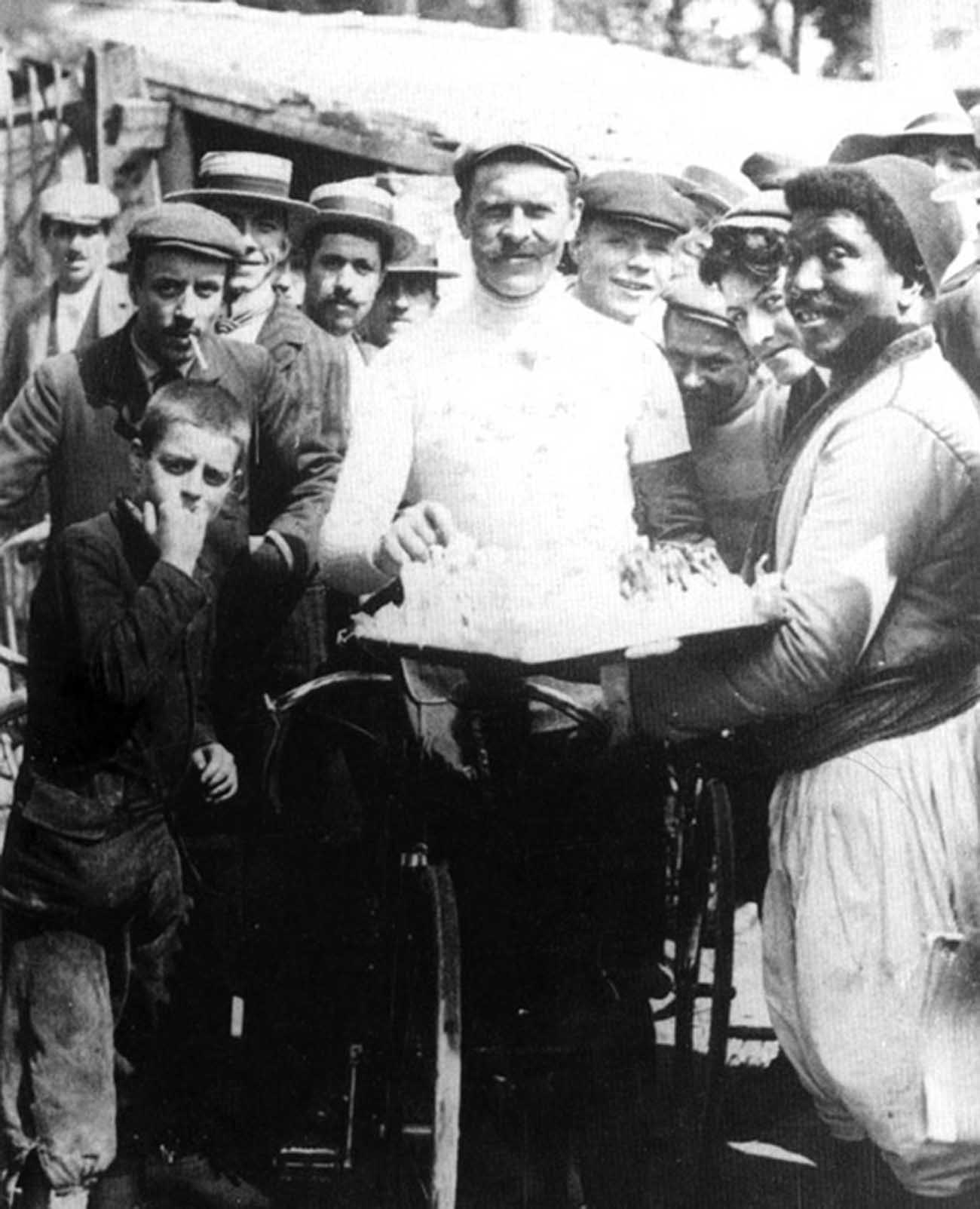
The 1904 Tour de France was held again, but it ended in scandal. Maurice Garin, along with eight other riders, was disqualified for cheating — specifically for illegally using cars and trains during the race. Garin lost his second title as a result. The race itself, however, was already too popular to stop.