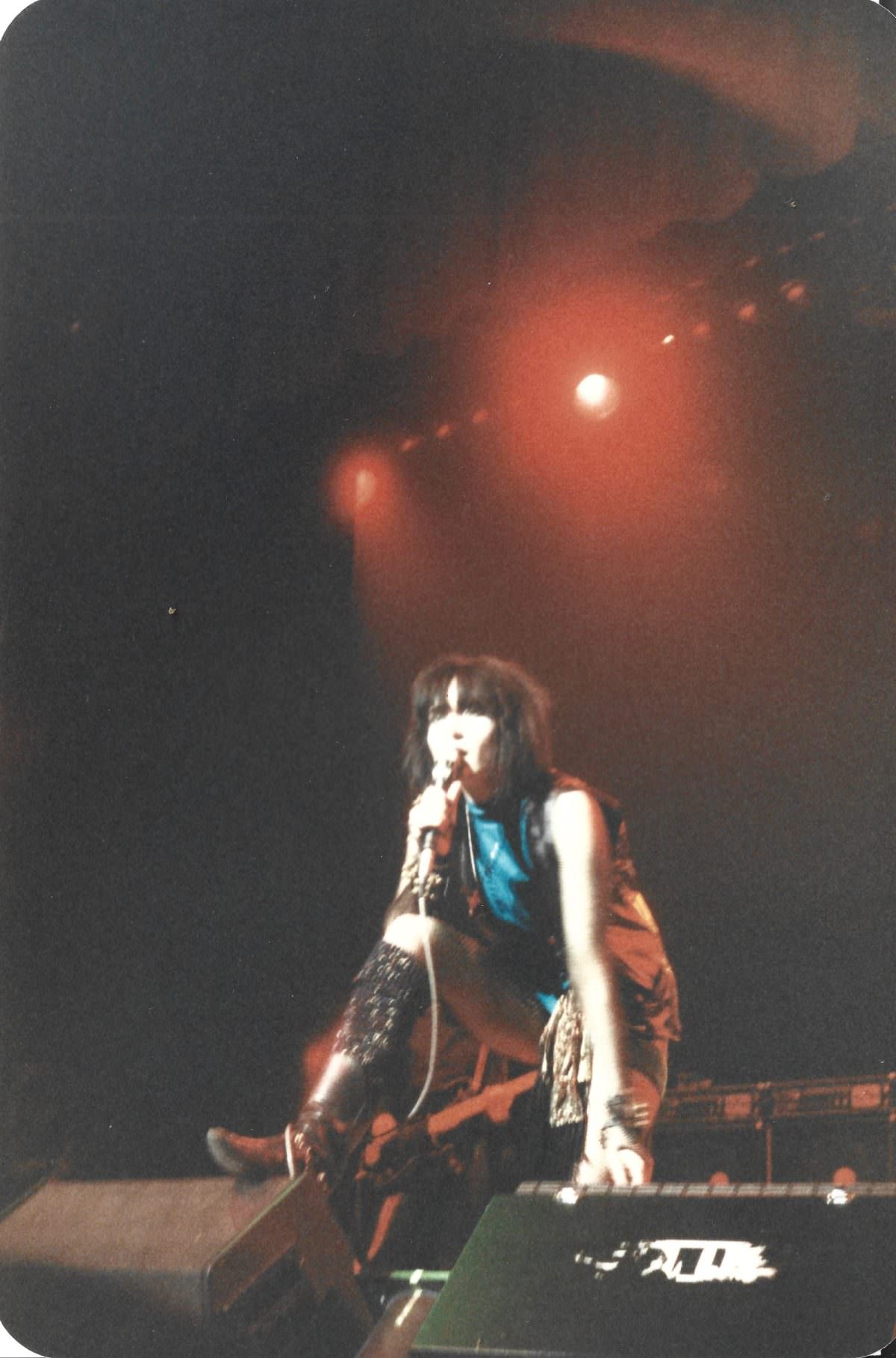
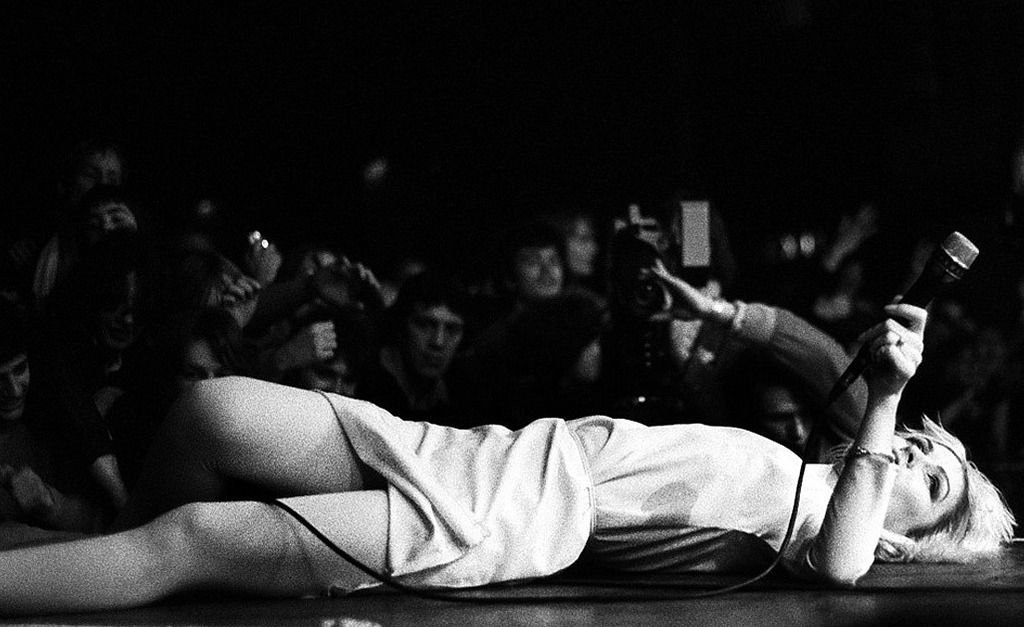
In the spring of 1982, Siouxsie and the Banshees landed in Tokyo for three concerts that brought their dark, hypnotic post-punk sound to Japanese audiences. The timing was significant. While many bands from the original British punk wave had already broken up or lost momentum, the Banshees were operating at the height of their creative power. They had just come off the success of their fourth album, “Juju,” and were already deep in the process of recording their follow-up, “A Kiss in the Dreamhouse.” Japan was not a victory lap — it was a band in full stride.
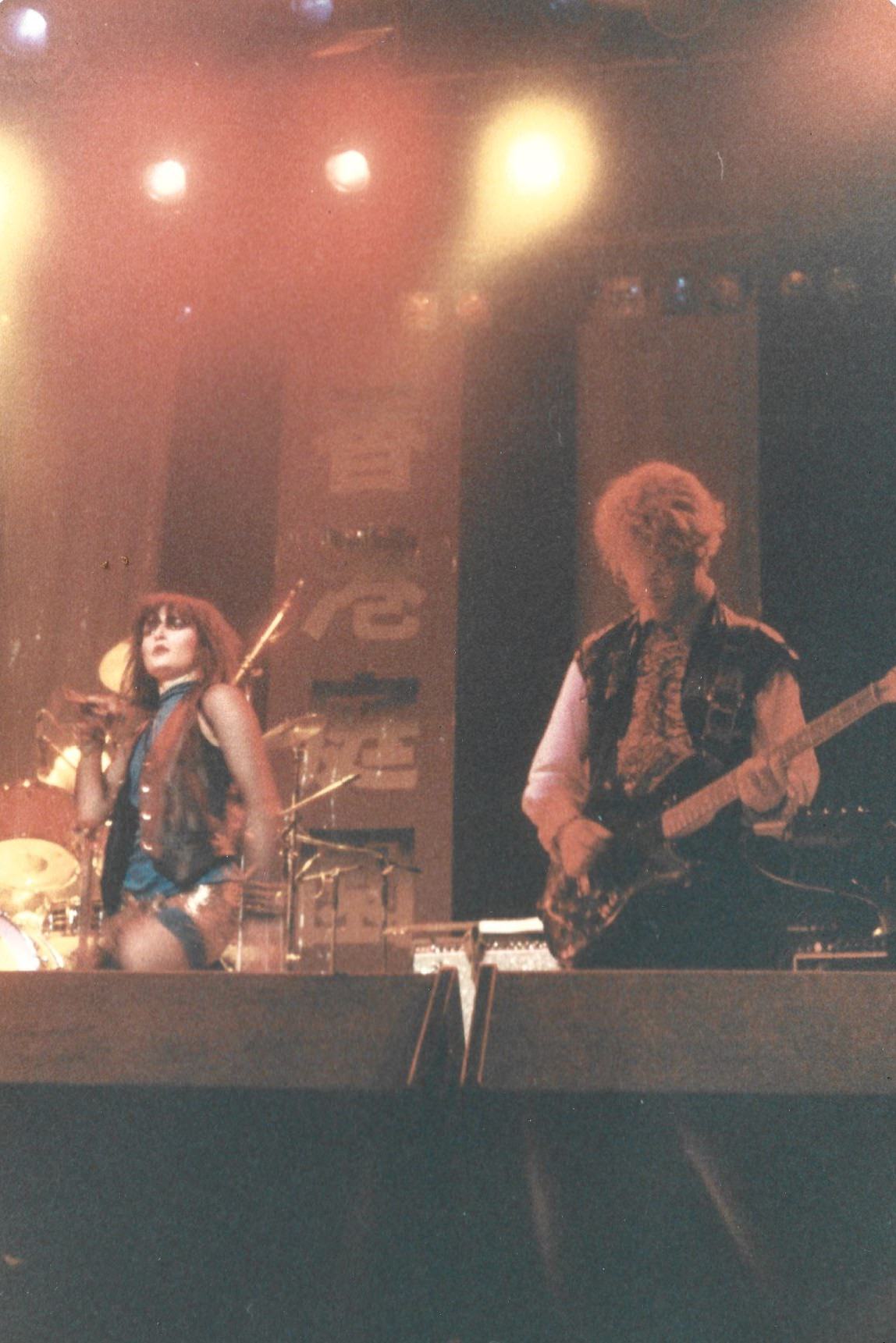
The lineup that arrived in Tokyo was one of the most distinctive the band ever assembled. At its core were three founding members: vocalist Siouxsie Sioux, bassist Steven Severin, and drummer Budgie. But the crucial addition was guitarist John McGeoch, who had joined in 1980. His arrival changed the band’s sound in a fundamental way, introducing layered textures and unconventional tones that set the Banshees apart from nearly everything else happening in British music at the time.
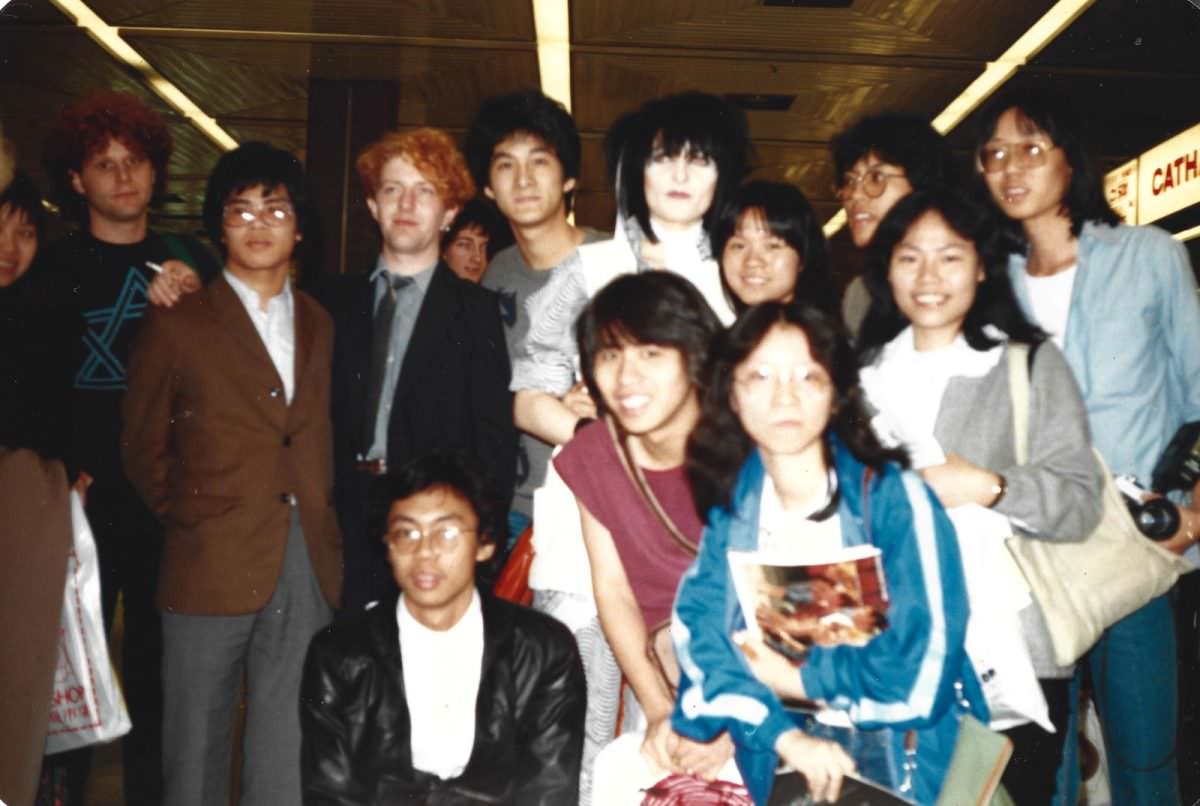
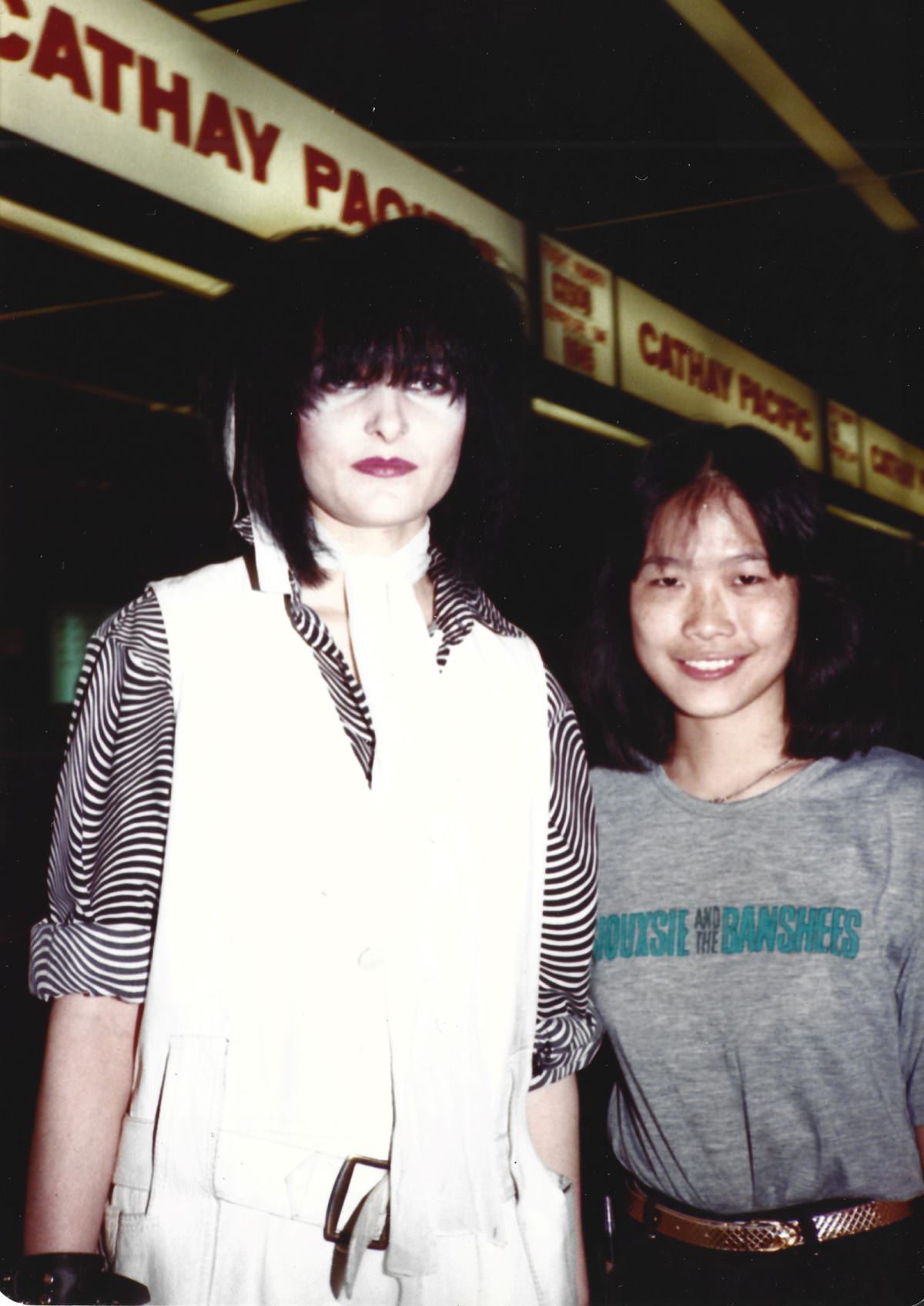
Siouxsie Sioux was the undeniable focal point of every performance. Her commanding vocals filled rooms with an intensity that was both theatrical and visceral. Her dramatic makeup — heavy black lines, stark contrasts — and her singular fashion sense made her an imposing figure on stage. There was nothing accidental about her presence. Every element was deliberate, and Japanese audiences responded to it fully, turning out in force and with genuine enthusiasm for the band’s sound.
Steven Severin anchored the band from the low end. His bass lines were melodic rather than purely rhythmic, giving the Banshees’ music a harmonic depth that many of their post-punk contemporaries lacked. Severin rarely sought the spotlight, but his contributions shaped the tone and structure of the band’s sound more than a casual listener might notice. He was the quiet constant that held everything together.
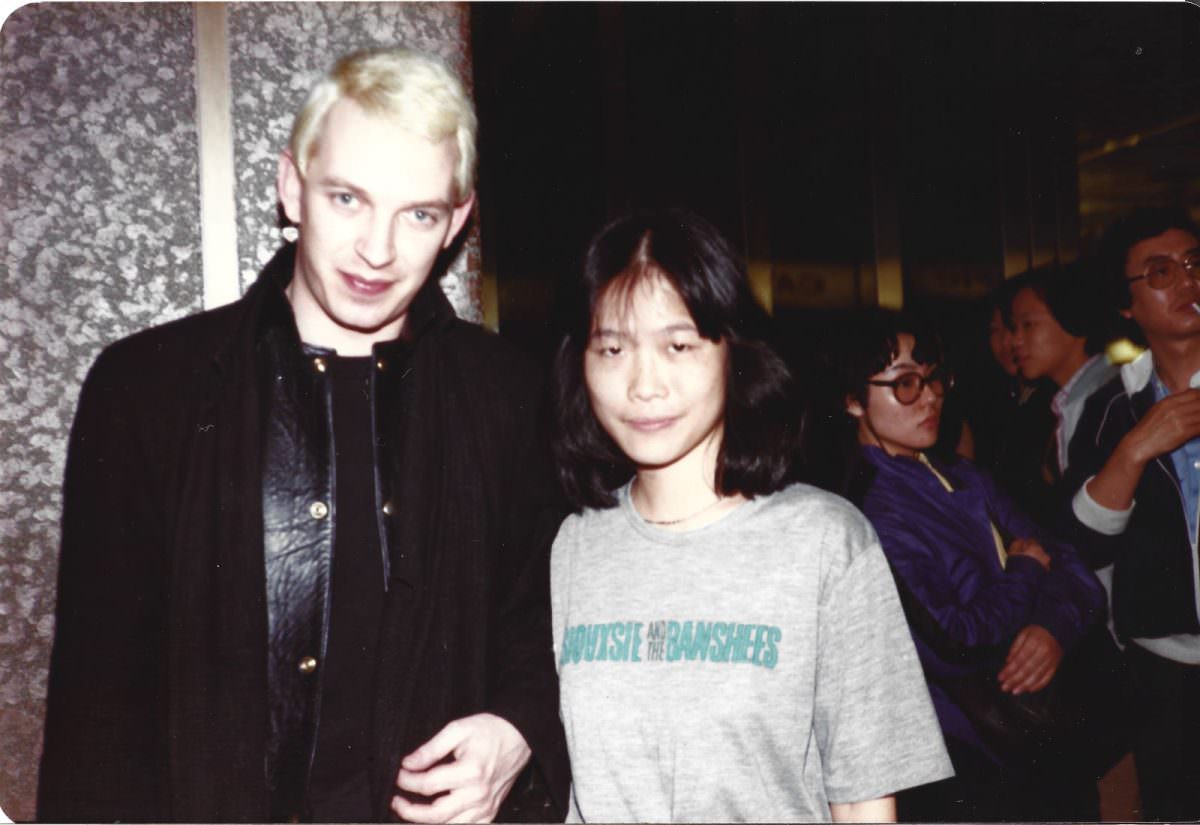
Behind the drum kit, Budgie delivered performances that were both powerful and precise. His style went beyond keeping time — his drumming pushed the music forward with a relentless physical energy that gave each song a sense of urgency. That drive was especially important in a live setting, where the Banshees’ studio layering had to translate into something immediate and visceral for a concert crowd.
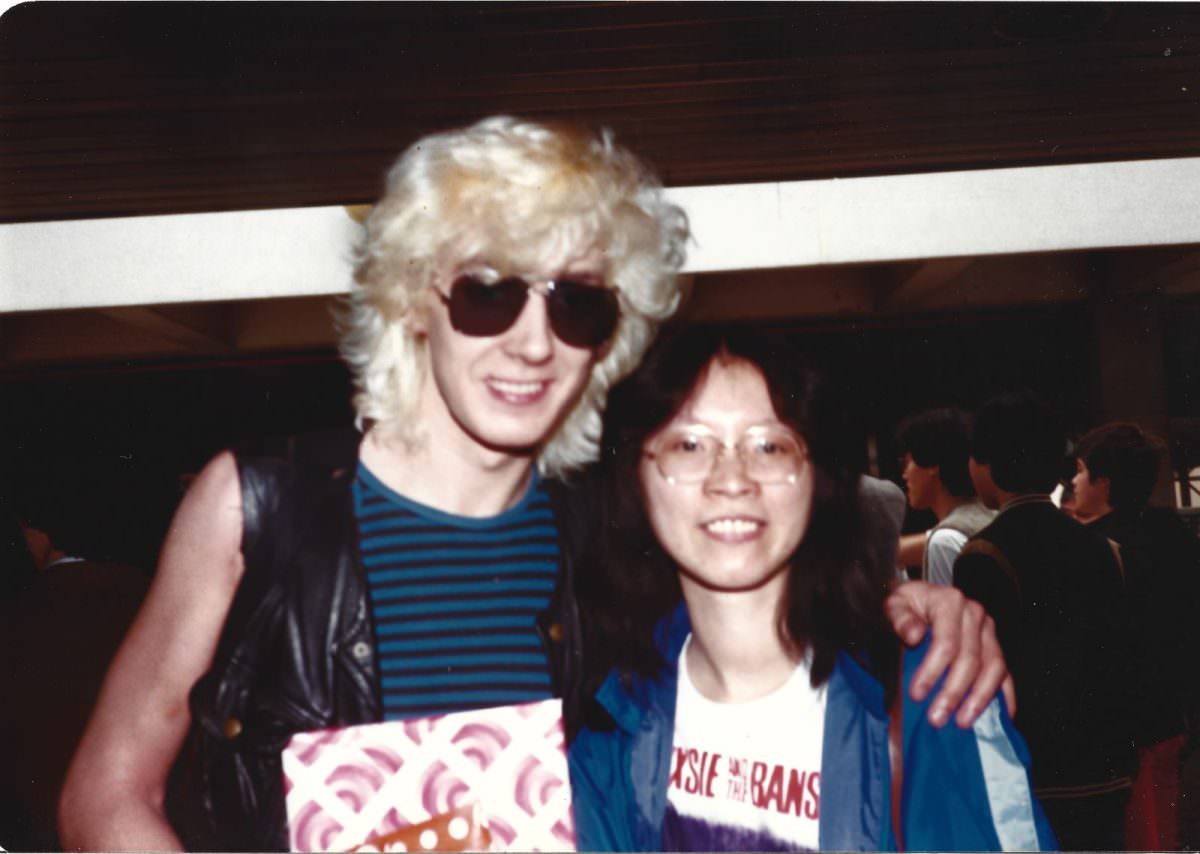
John McGeoch stood in a category of his own. Siouxsie herself called him her favorite guitarist of all time — a statement she made without qualification. What set McGeoch apart was his ability to take abstract ideas and turn them into actual sounds. Siouxsie described it plainly: if she asked him to capture the sound of “a horse falling off a cliff,” he would find a way to do it on guitar. That capacity for translating the unusual into music was rare, and it gave the Banshees a creative edge that defined the “Juju” era.
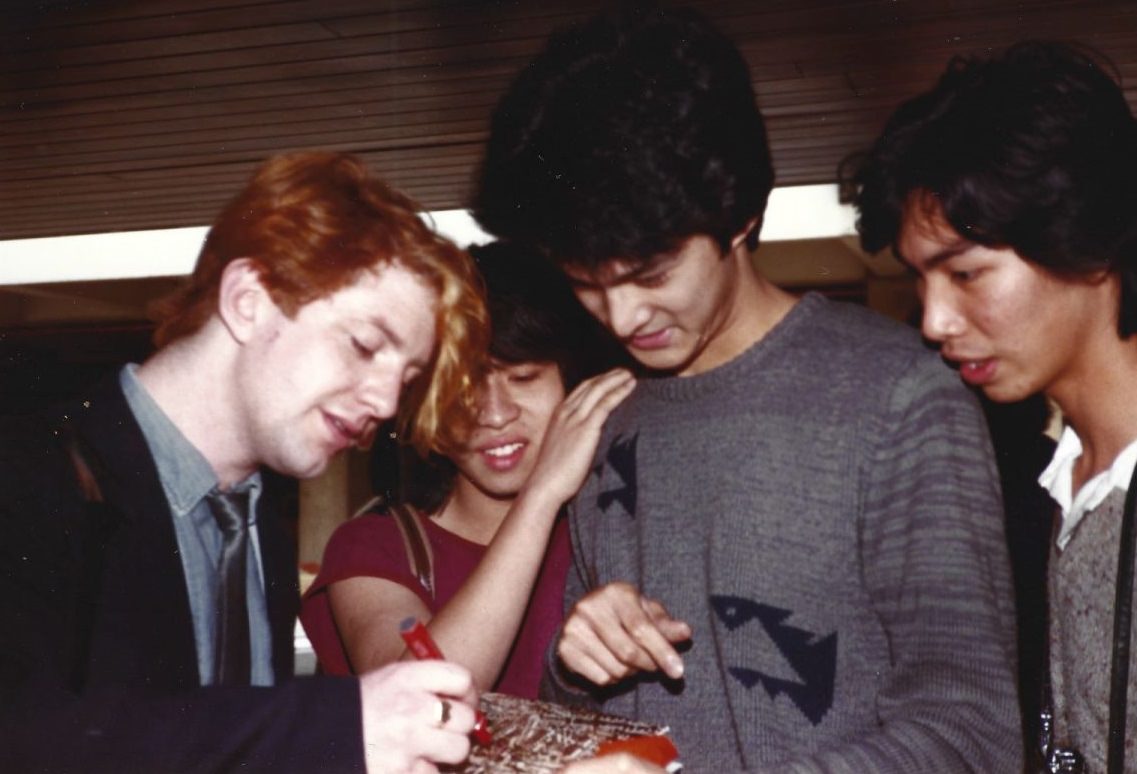
Night after night in Japan, McGeoch filled the sonic space above Severin’s bass with textures that ranged from jagged and abrasive to eerily beautiful. His playing on songs from “Juju” — tracks like “Spellbound” and “Arabian Knights” — was built on unconventional techniques and a willingness to treat the guitar as something other than a lead instrument. The result was music that felt atmospheric and dense without ever losing its punch.
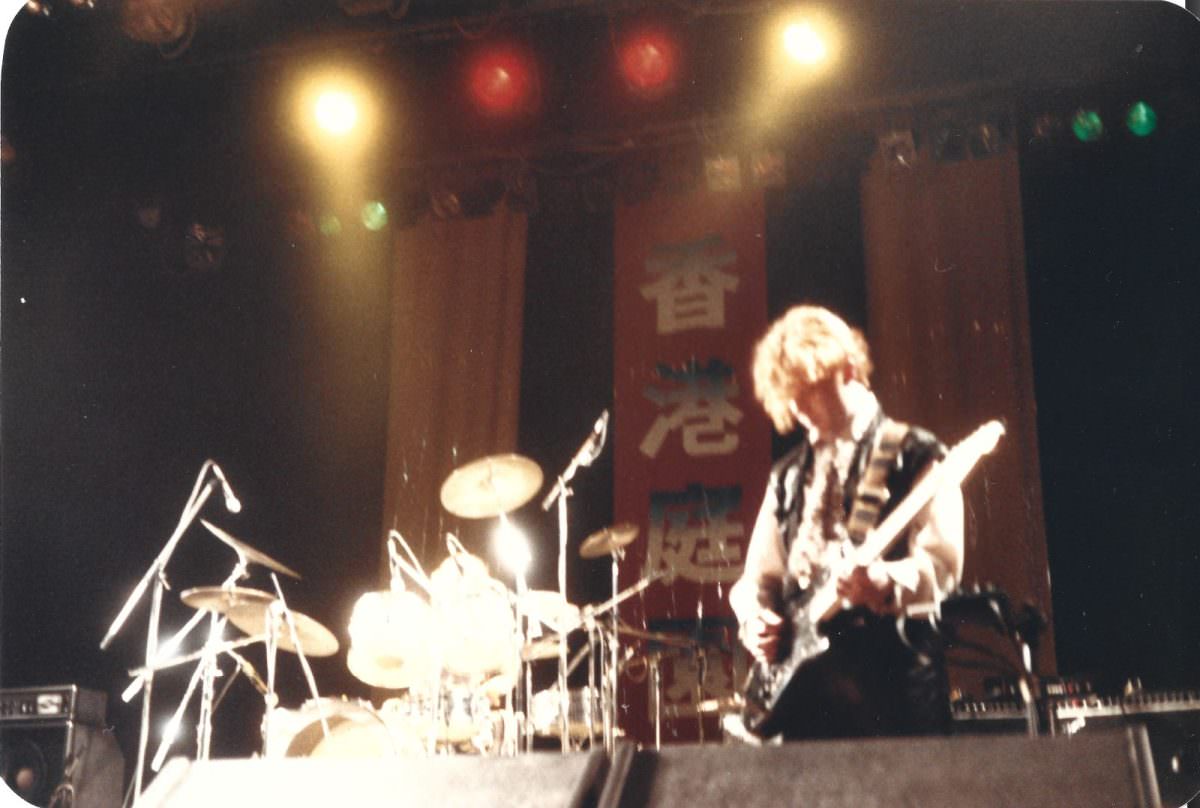
The three Tokyo shows drew audiences who were already familiar with the band’s recordings, and the performances matched the intensity of anything captured on record. The Banshees did not scale back their sound for a foreign market. They played with the same ferocity and precision that had built their reputation in the UK and Europe, and Tokyo responded accordingly.
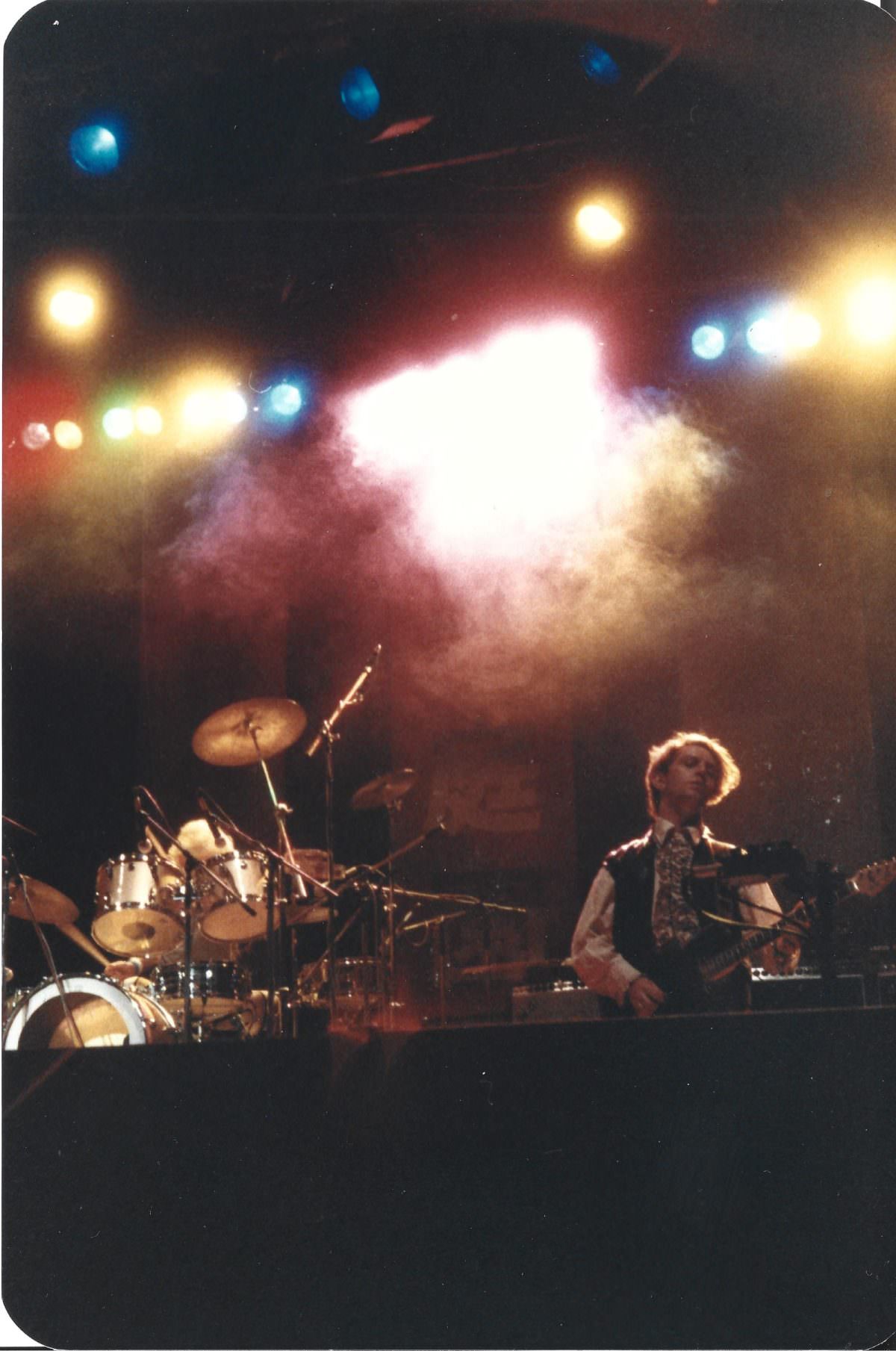
The 1982 Japan tour captured the Banshees at a specific and unrepeatable moment. McGeoch’s tenure with the band would end later that same year due to his deteriorating health. The version of the group that landed in Tokyo — Siouxsie, Severin, Budgie, and McGeoch — never toured together after that. The Japan dates stand as some of the last documented performances of that particular lineup, playing material drawn from what many consider the band’s strongest period.