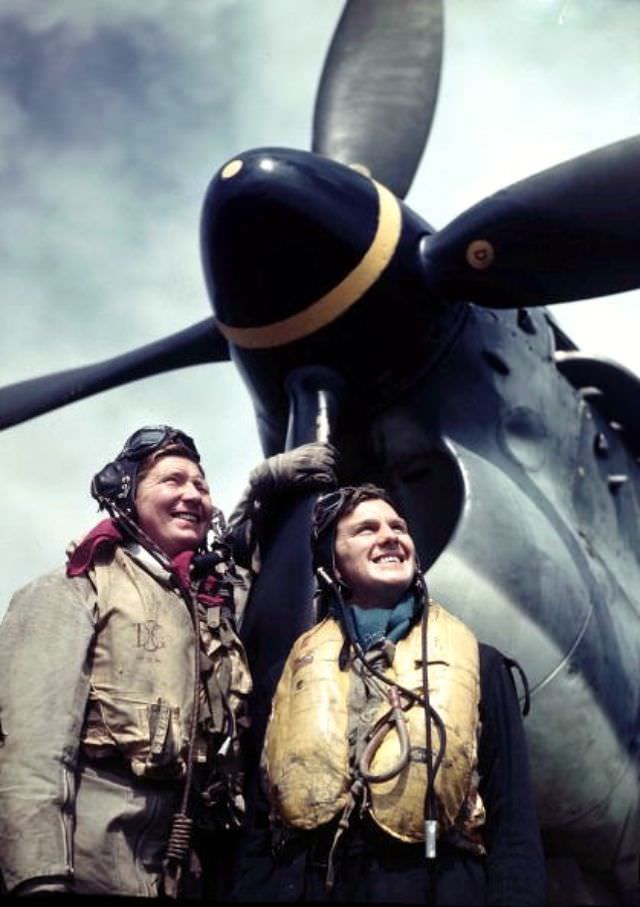
William Vandivert was born in 1912 in Evanston, Illinois, and built his career as one of America’s most daring photojournalists. He joined the Chicago Herald-Examiner in 1935 and quickly distinguished himself from the crowd. While most photographers of the era worked exclusively in black and white, Vandivert was among the very few shooting in color for Life magazine. That distinction placed him in London during one of the most destructive periods in the city’s modern history.
The German Luftwaffe launched what became known as the Blitz in September 1940, targeting London with heavy bombing raids that continued for months. Night after night, bombers flew over the city, dropping explosives on homes, streets, churches, and businesses. By the time the worst of the campaign wound down in May 1941, more than 30,000 Londoners had been killed and vast stretches of the city had been reduced to rubble. Vandivert walked those streets with his camera, documenting the destruction in vivid color that black-and-white images simply could not convey.
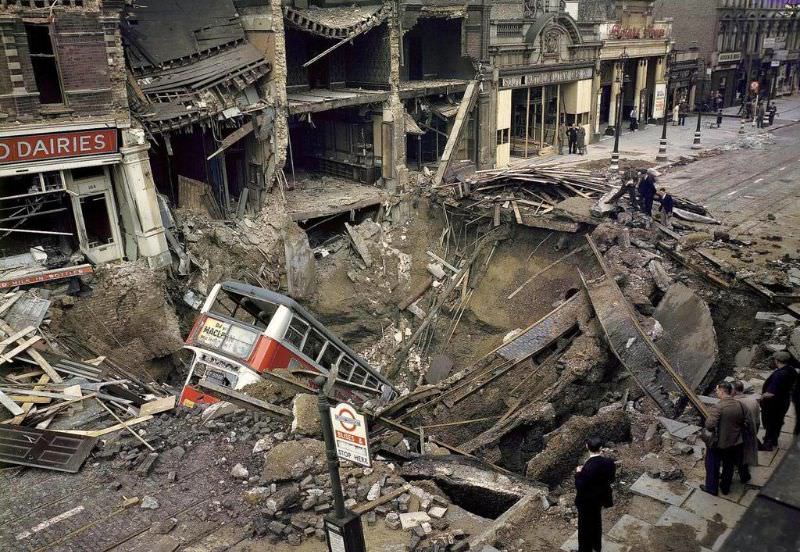
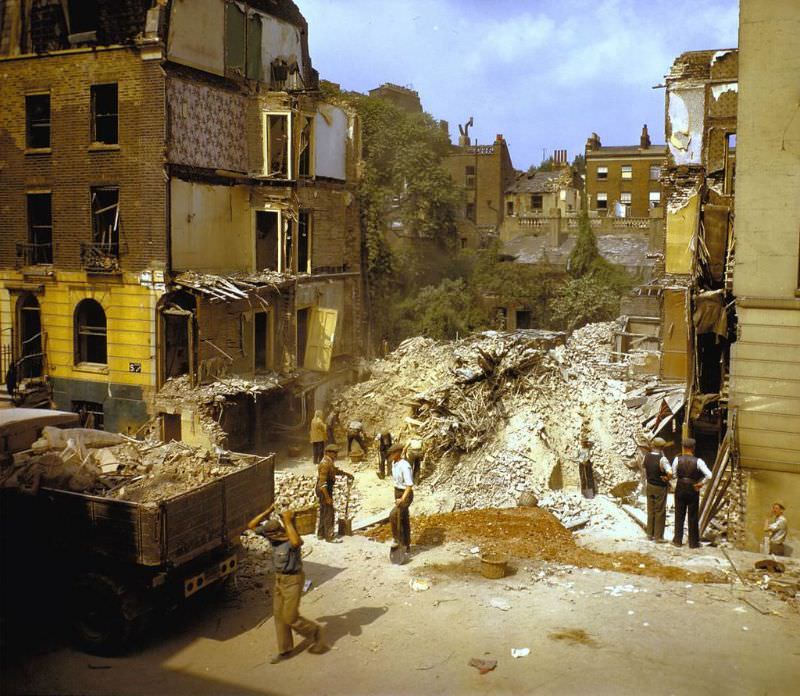
The scale of the damage was staggering. Entire city blocks were leveled overnight, leaving craters so wide and deep that vehicles fell directly into them. Streets that had been busy with daily life one evening were unrecognizable the next morning.
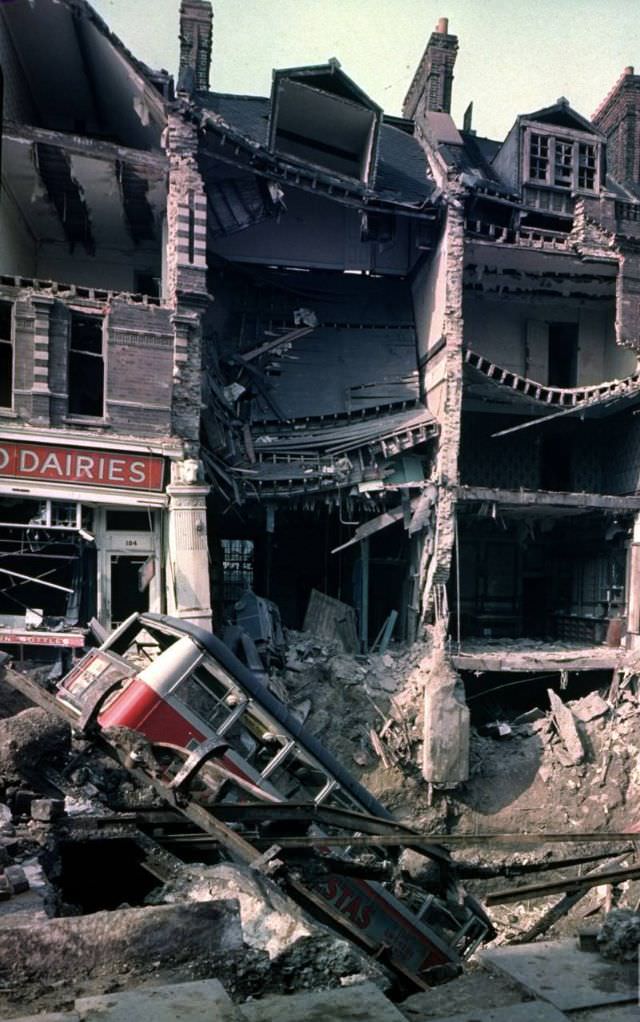
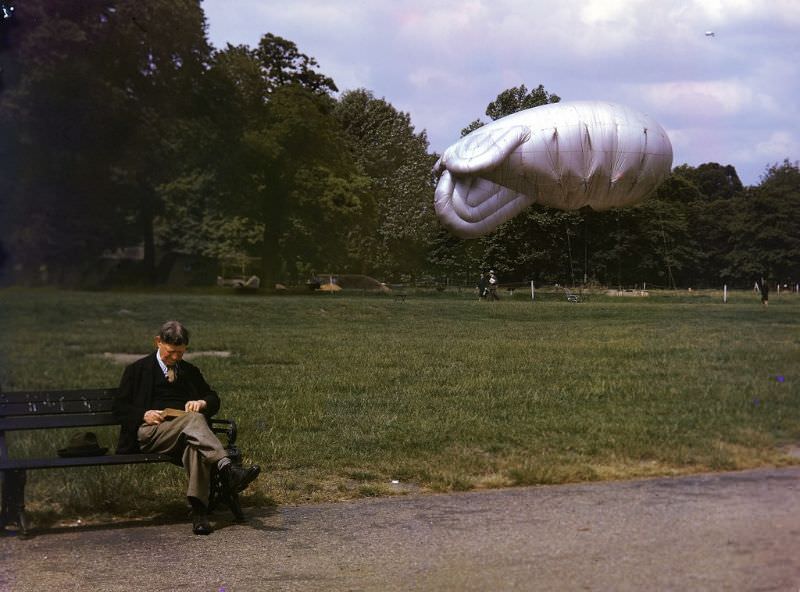
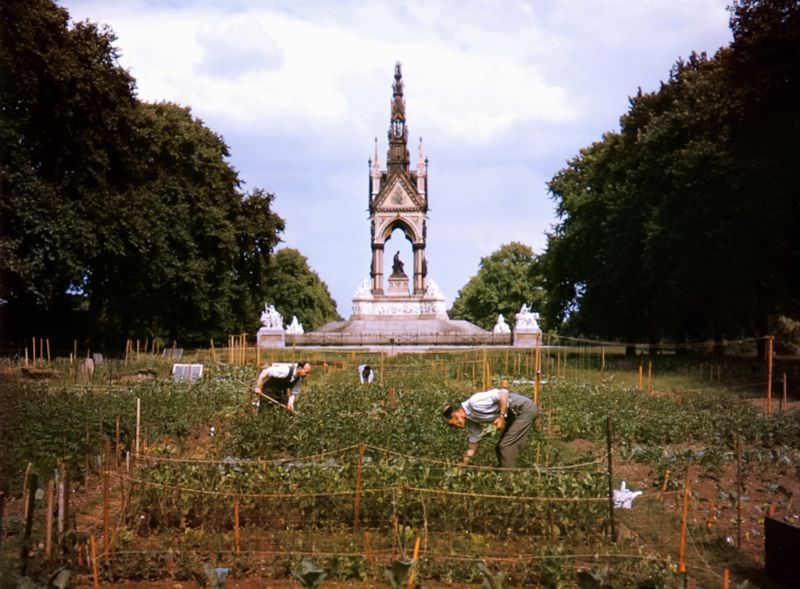
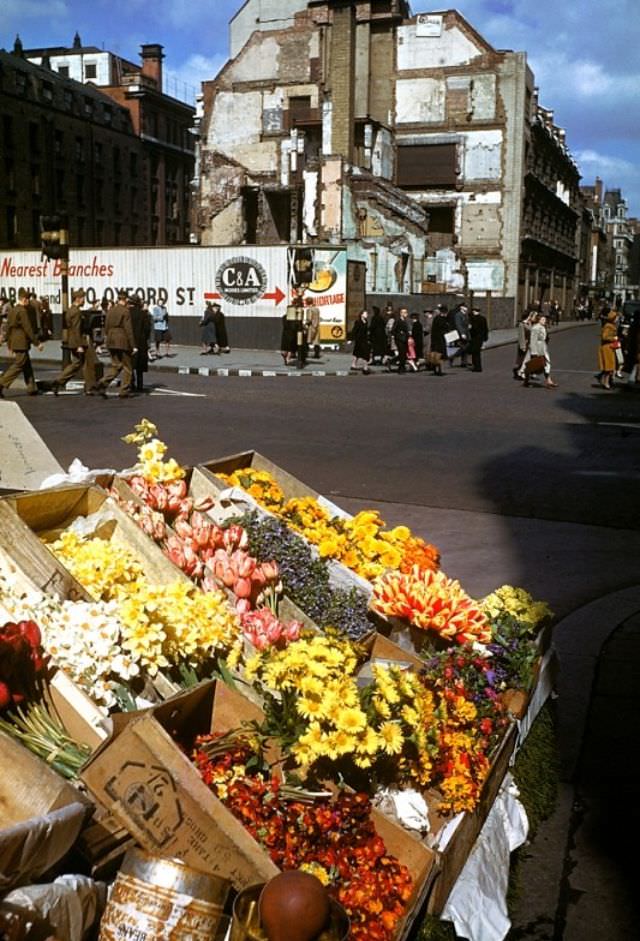
Yet even amid the wreckage, daily life continued. Londoners went to work, sat in parks, tended gardens, and cleared debris from lots where homes had stood just days before. This resilience was not just a coping mechanism — it was a deliberate act of defiance. The British government actively encouraged citizens to carry on as normally as possible, and Vandivert captured that spirit with equal attention.
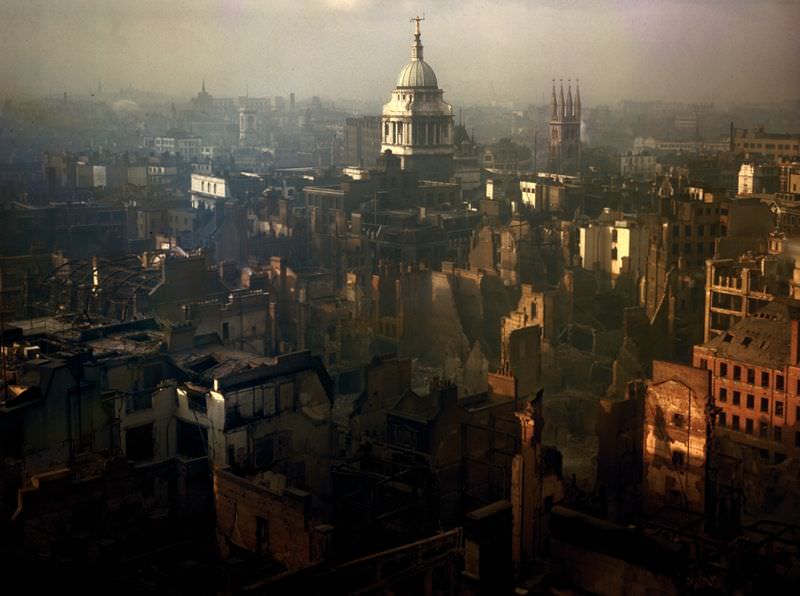
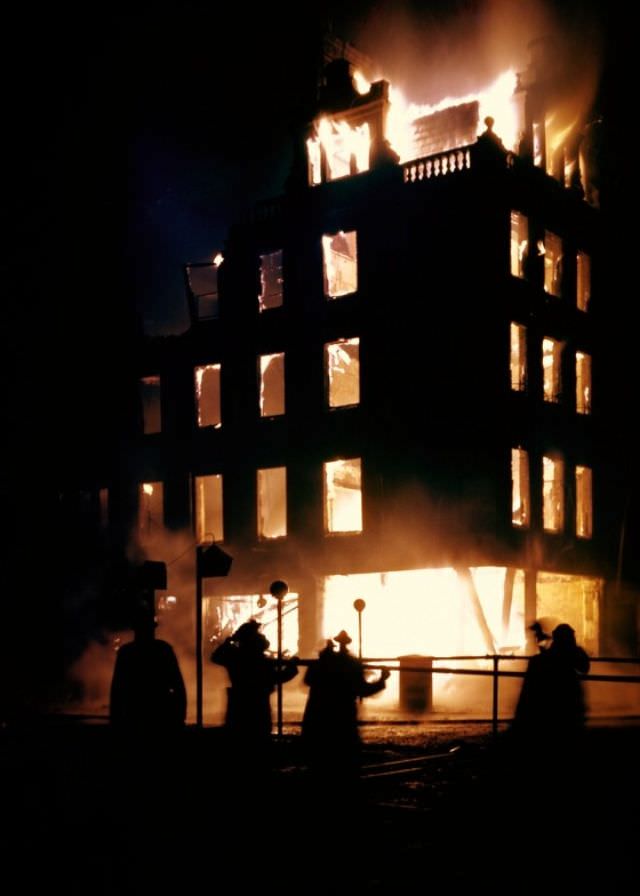
The aerial raids left enormous swaths of the city smoldering. Vandivert’s color photography gave audiences around the world a visceral sense of the fires, the dust, and the scale of the destruction in a way that no newspaper reproduction could fully replicate.
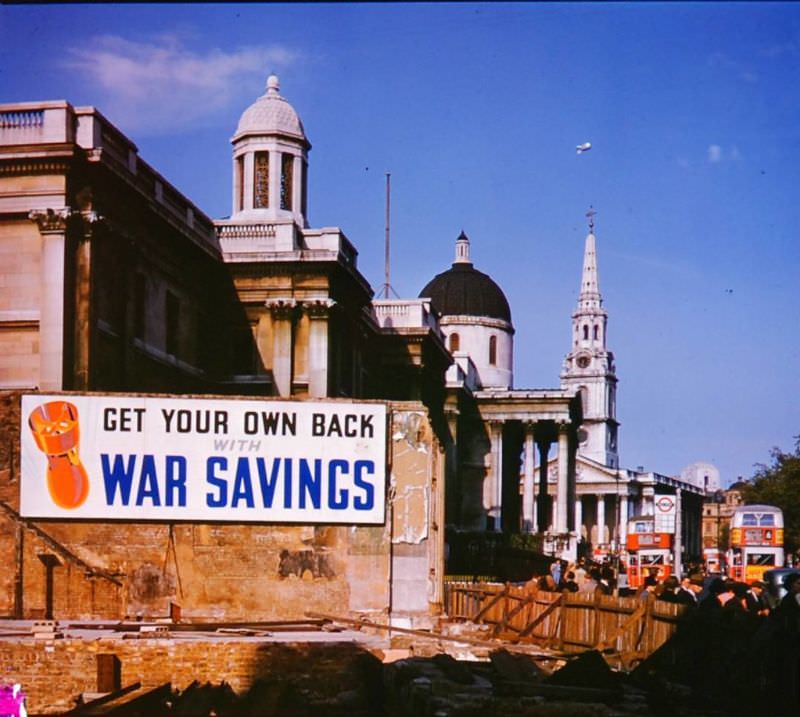
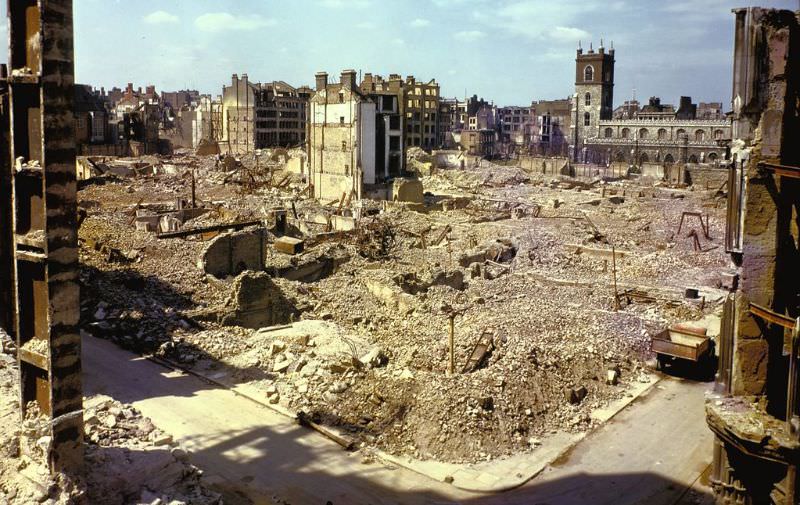
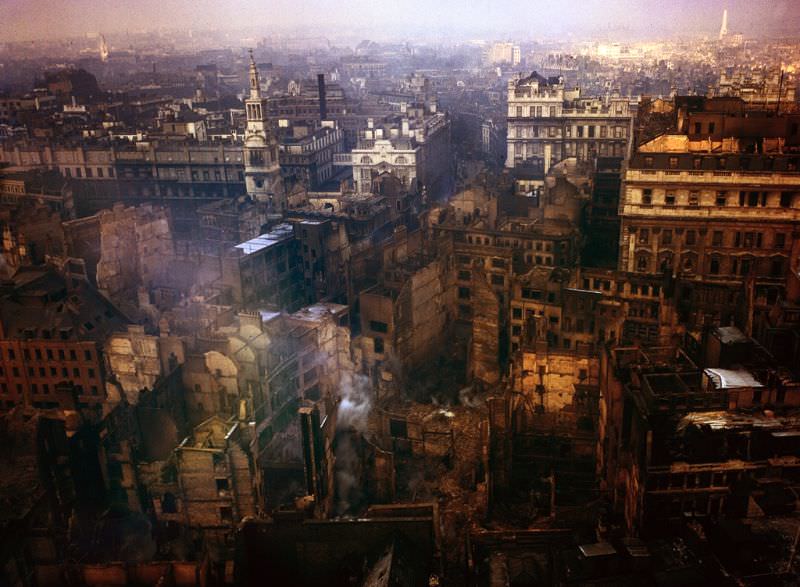
Some of the most striking images from the Blitz show workers already clearing debris while fires still burned nearby. Recovery efforts began almost immediately after each raid. London was not waiting for the war to end — it was rebuilding in real time.
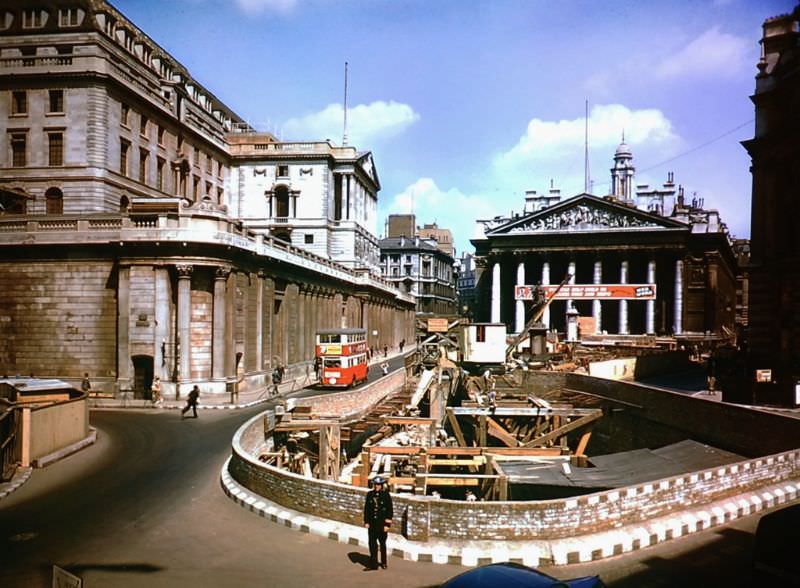
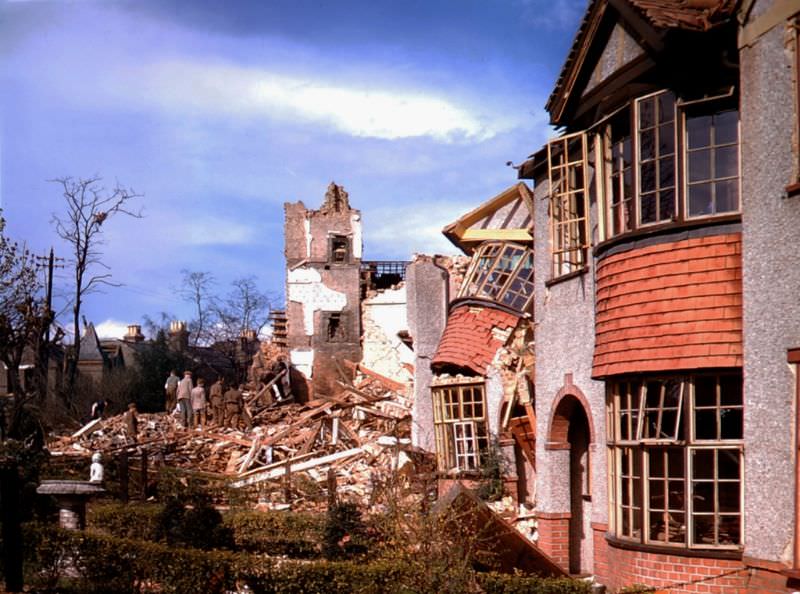
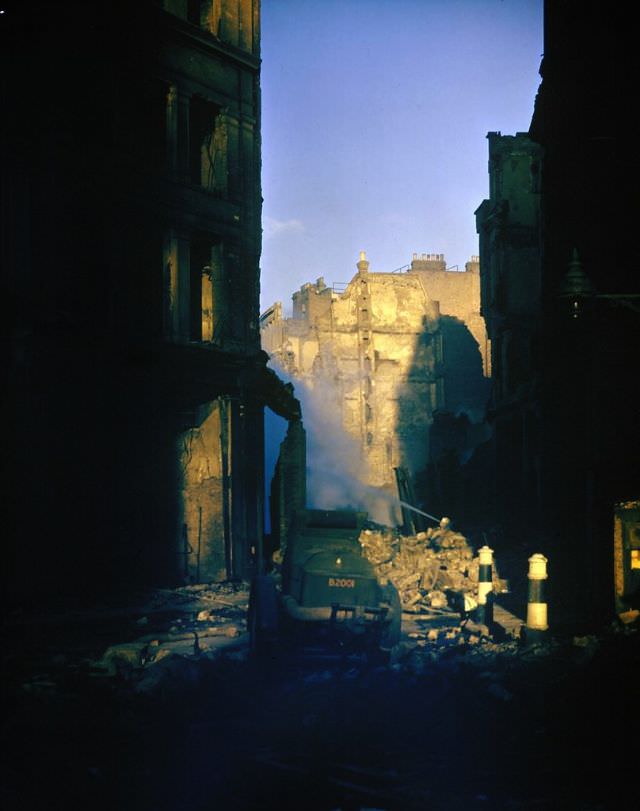
Vandivert also photographed the broader Battle of Britain, capturing scenes across the city that showed both the military and civilian dimensions of the conflict. His images from September and October 1940 represent some of the most complete color documentation of the Blitz that exists anywhere.
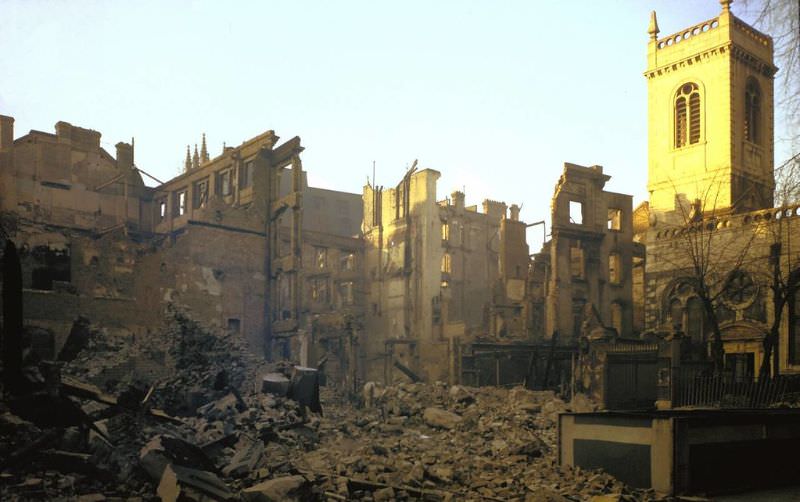
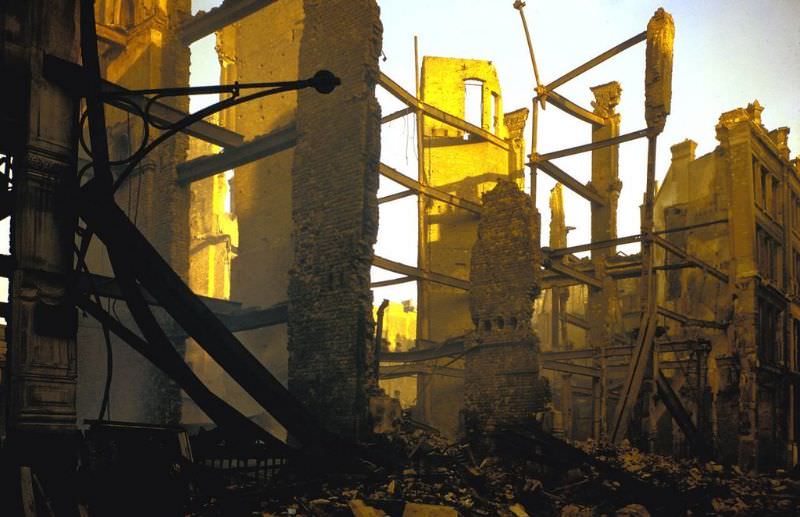
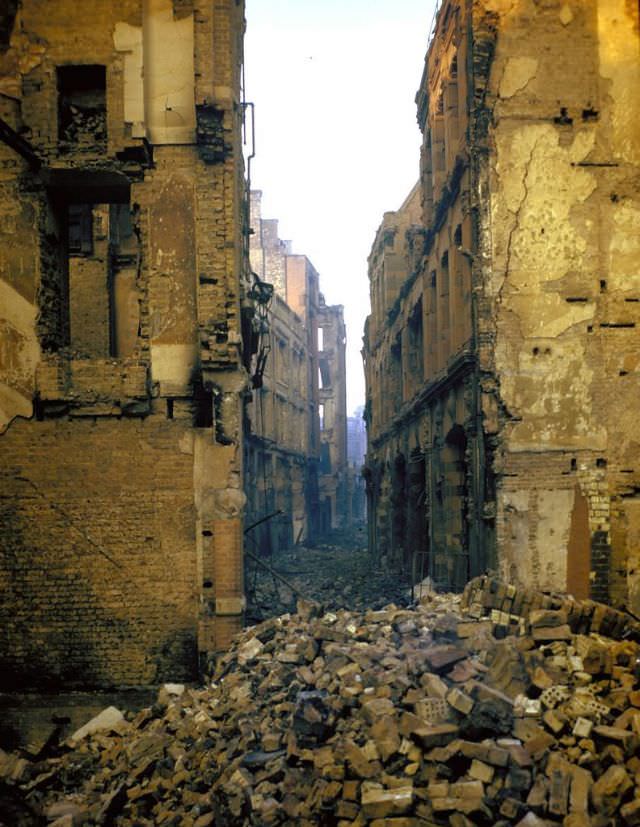
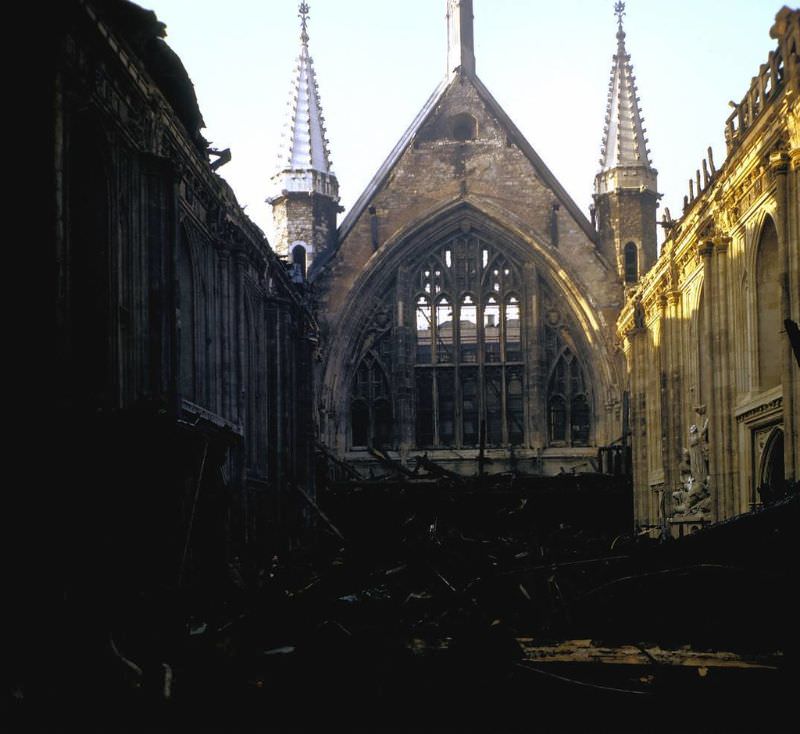
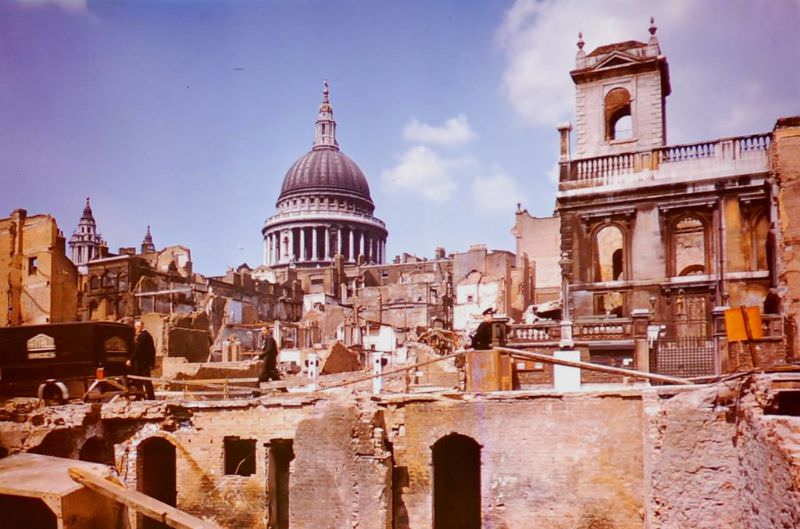
St. Paul’s Cathedral became one of the most powerful symbols of London’s endurance during the Blitz. The cathedral survived the bombing while buildings around it collapsed, and its dome rising above the smoke became an iconic image of the war. Vandivert photographed it standing firm amid the chaos of the city.
By January 1941, the raids were still ongoing. Vandivert remained in London, continuing to document fires and destruction as they unfolded. His work from this period captured the sustained, grinding nature of the Blitz — not a single catastrophic event, but months of repeated bombardment that wore on the city and its people.
Vandivert’s work in London was only part of a remarkable wartime career. In 1945, he became the first Western photographer to enter Adolf Hitler’s bunker and photograph the ruins of Berlin immediately after the Battle of Berlin. Those images were published by Life in July 1945. Two years later, in 1947, he joined Robert Capa, Henri Cartier-Bresson, David Seymour, George Rodger, and Maria Eisner in founding Magnum Photos, the legendary photographer-owned cooperative. His wife Rita Vandivert served as the organization’s first president and managed its New York office. The couple left Magnum in 1948, and Vandivert went on to contribute extensively to Fortune magazine before he and Rita turned their focus to nature and wildlife photography, producing several books together between 1960 and 1982.