Between 1892 and 1954, more than 12 million immigrants passed through Ellis Island in New York Harbor. It was the largest immigrant inspection station in the United States. Every person who arrived had to go through a series of procedures — medical examinations, loyalty checks, and paperwork — before they could set foot on American soil. Today, Ellis Island is part of the Statue of Liberty National Monument and can only be reached by ferry.
Among the staff working at Ellis Island during its busiest years was Augustus Sherman, a clerk who also happened to be an amateur photographer. Between 1906 and 1914, Sherman photographed the immigrants who passed through the station, capturing them in the traditional dress of their home countries. He was drawn to the wide range of cultures, origins, and backgrounds he encountered on a daily basis. The result was a remarkable series of portraits that freeze a single moment in one of the most transformative periods of American history. The images have since been colorized, bringing new life to the faces of people who made one of the biggest journeys of their lives.
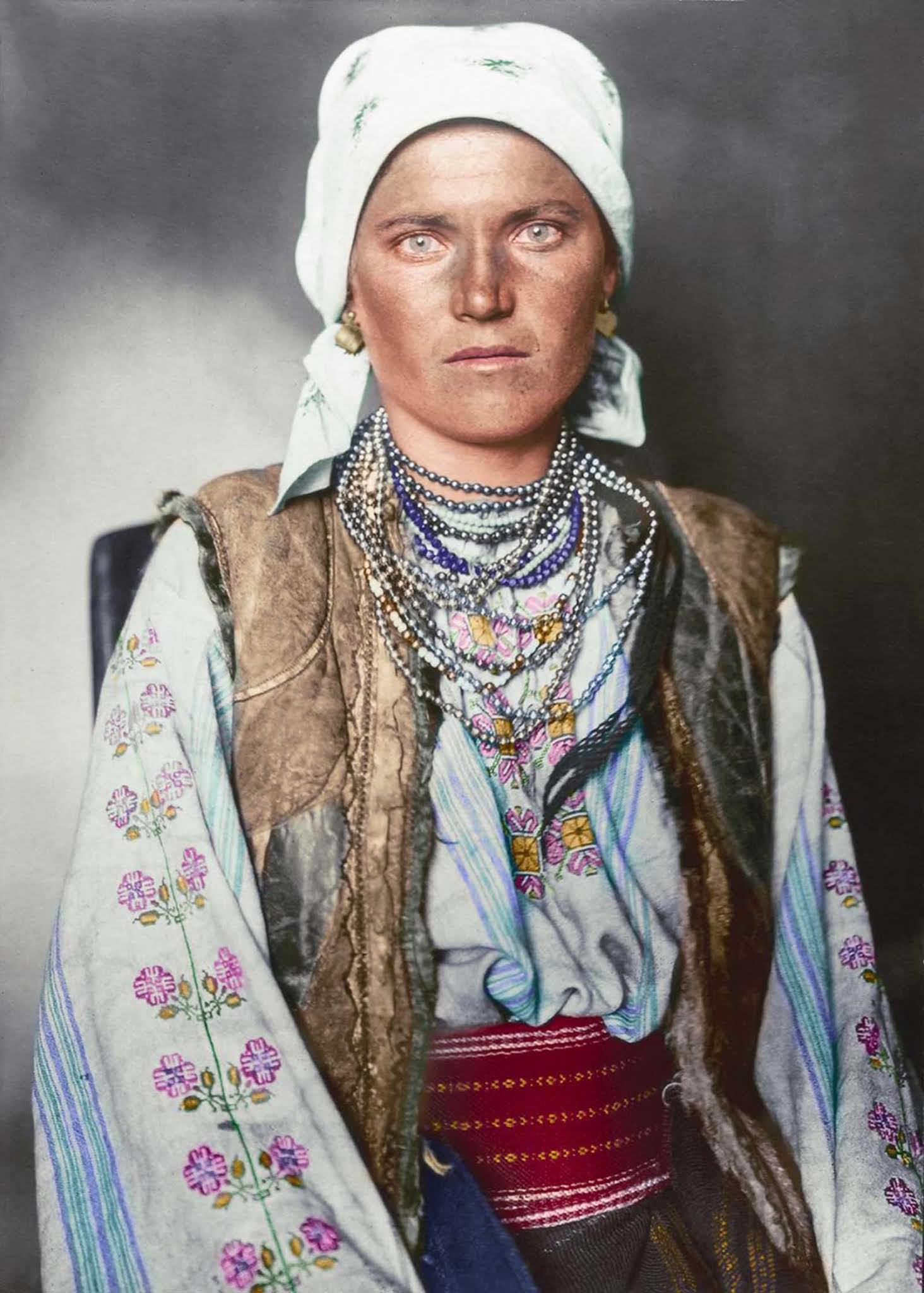
The Ruthenian woman above wore a linen shirt and underskirt embroidered with floral patterns — a style rooted in the traditions of the kingdom of the Rus, spanning parts of modern Slavic-speaking Europe. Across Sherman’s collection, each subject’s clothing tells a story about where they came from and how they lived. The Algerian man below arrived in clothing that reflected his country’s layered identity, shaped by Berber, Arab, African, and Mediterranean cultures.
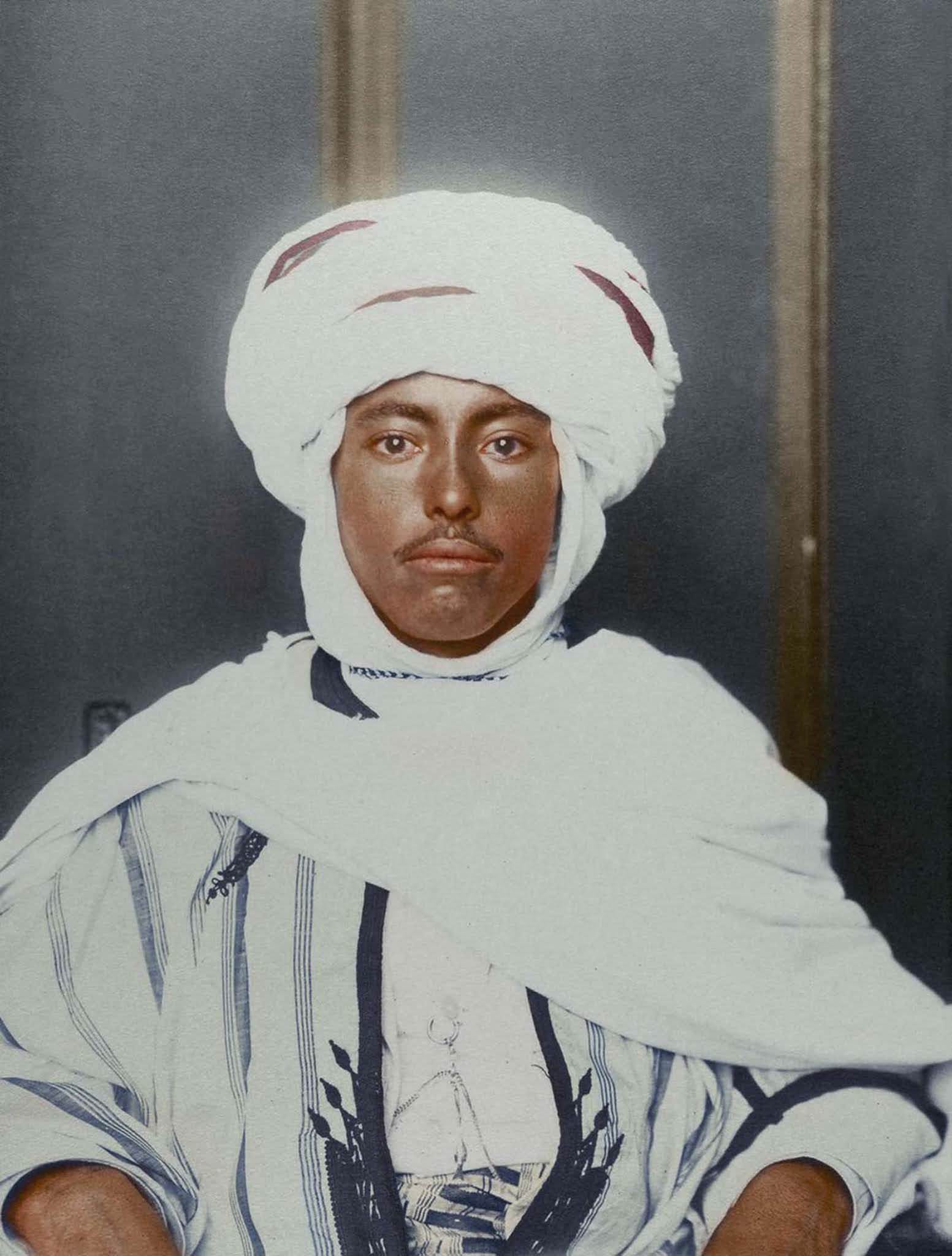
His kufiya — a square of fabric folded into a triangle and secured by a circlet of camel hair called an ‘iqual — was a marker of both region and identity. The kaftan tunic he wore beneath it was a garment shared across many cultures throughout history. Sherman’s photographs work precisely because they document these details. He wasn’t just recording faces — he was recording entire worlds.
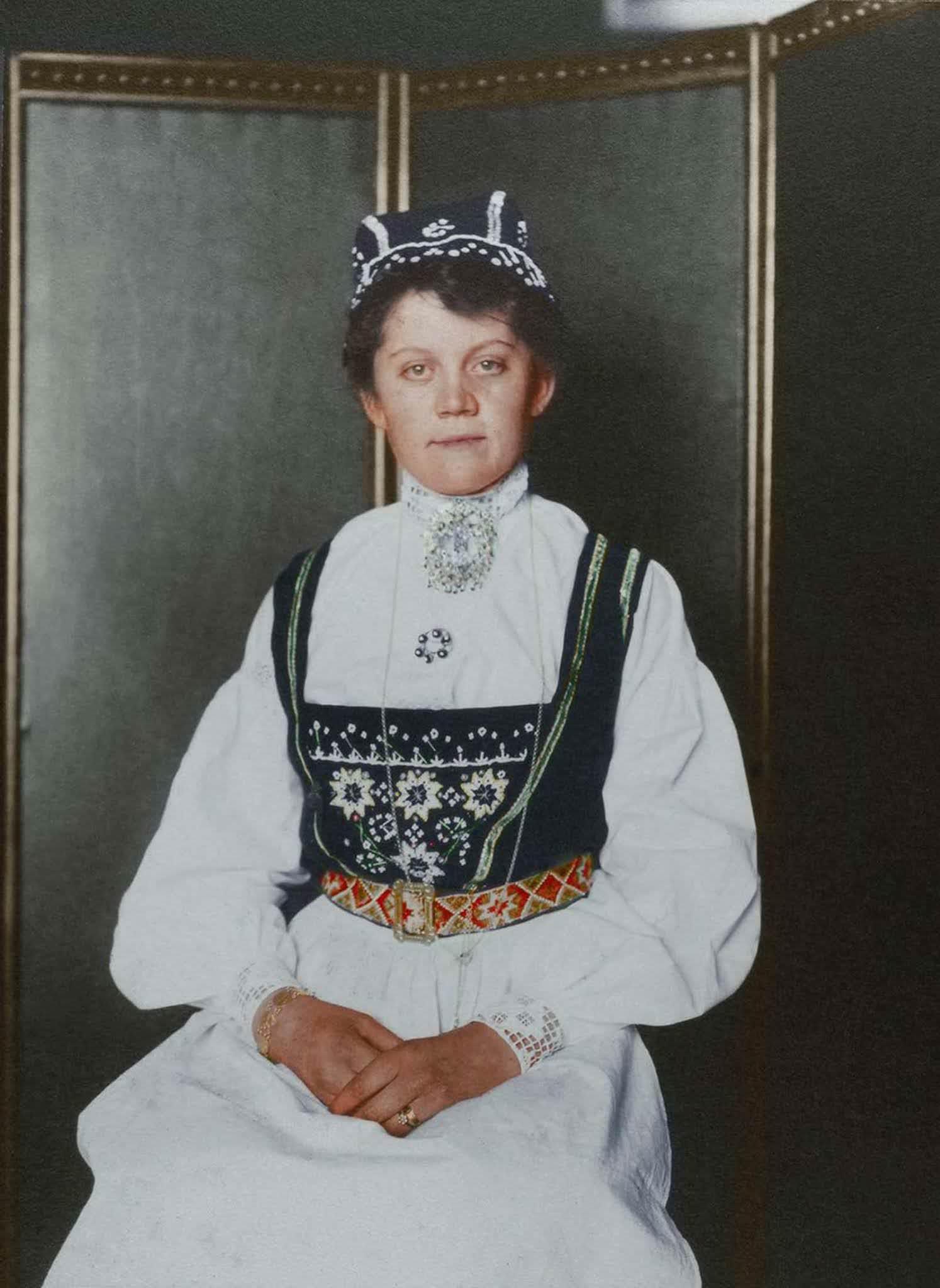
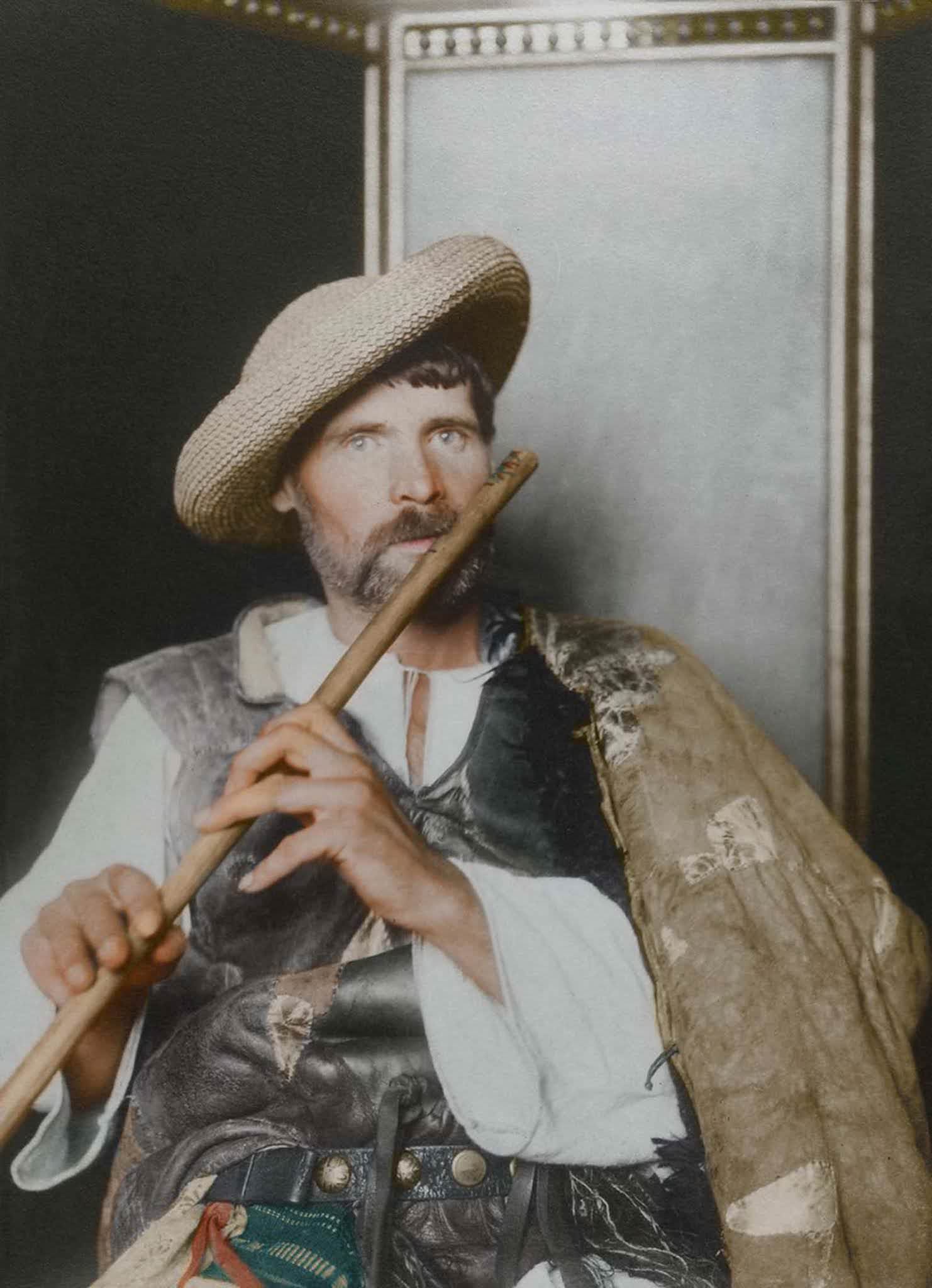
The Norwegian woman above wore a bunad — the traditional dress of Norway, shaped by region, local tradition, and whatever materials were available. In rural areas, clothing was typically made at home. The Romanian piper’s coat tells a different kind of story. His cojoc, an embroidered sheepskin coat, is noticeably plain compared to the more decorated version worn by shepherds. That plainness, combined with his straw hat, marks him as a working-class man.
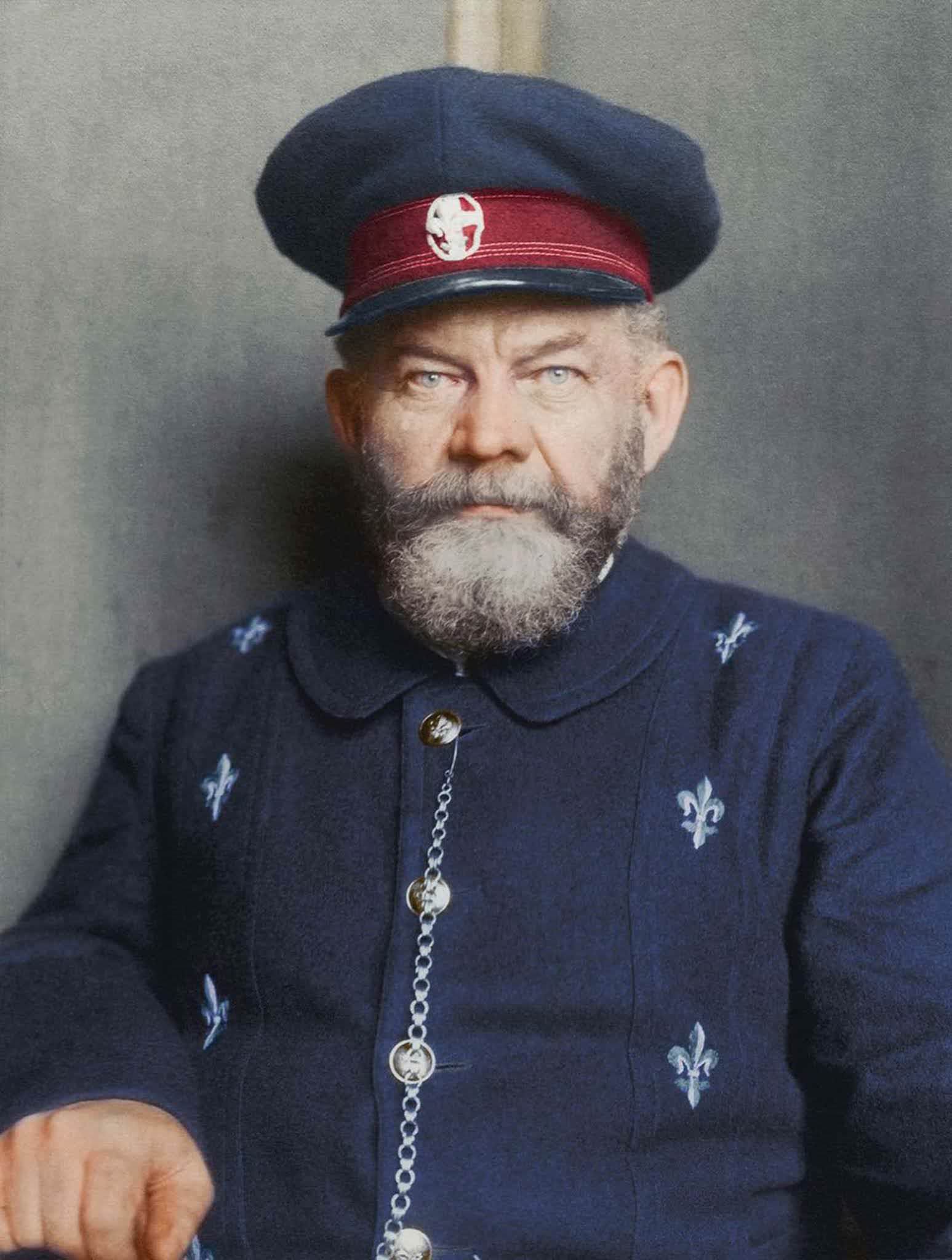
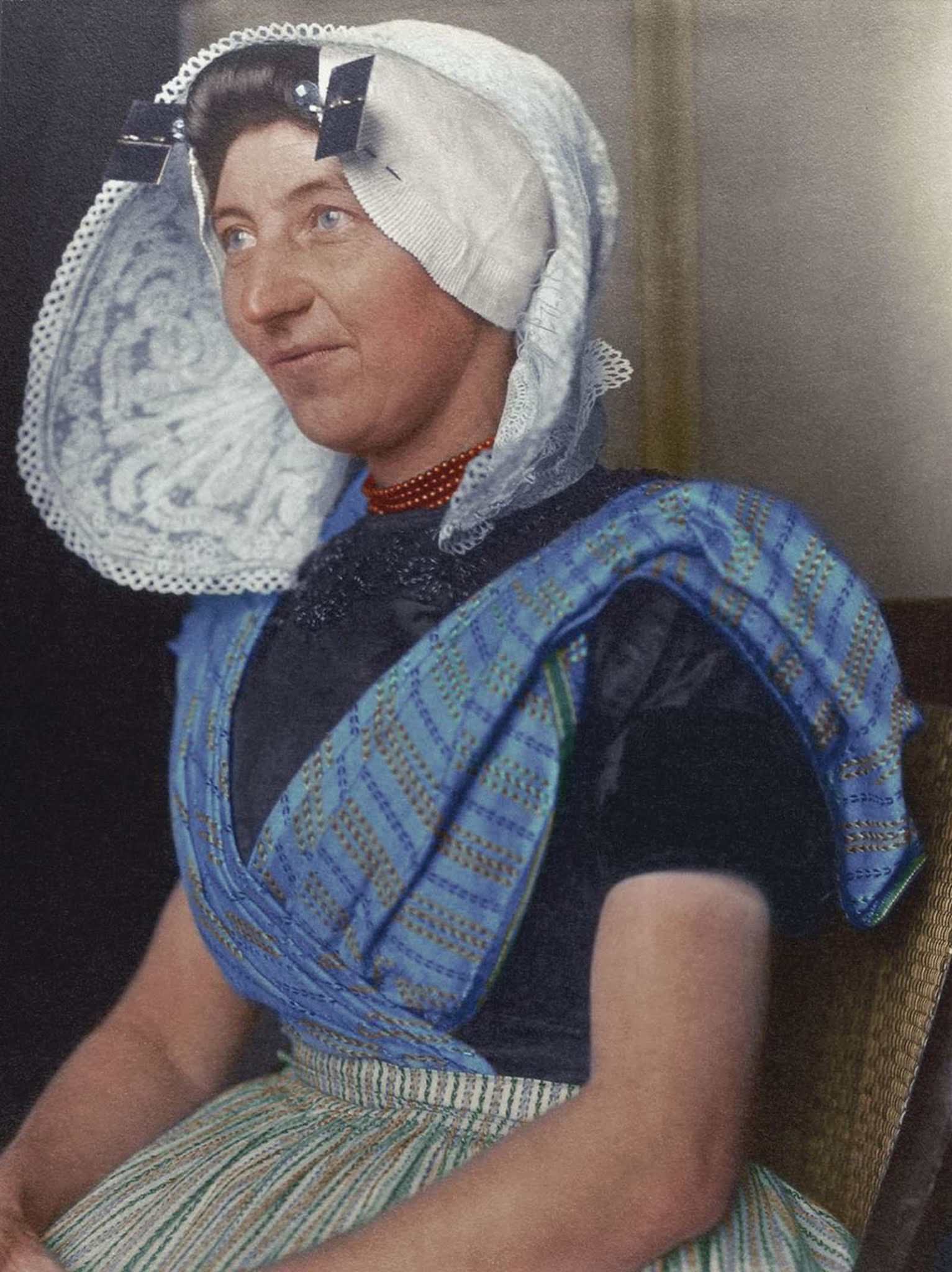
The Danish man’s clothing had evolved since the 1750s, favoring simplicity in everyday life and more decorated dress for occasions like weddings or church services. Like so many others arriving at Ellis Island, his clothes were likely homespun before mass industrialization changed how fabric was made. The Dutch woman is immediately recognizable by her large bonnet — one of the most iconic features of Dutch traditional dress — usually crafted from white cotton or lace, often with flaps or wings.
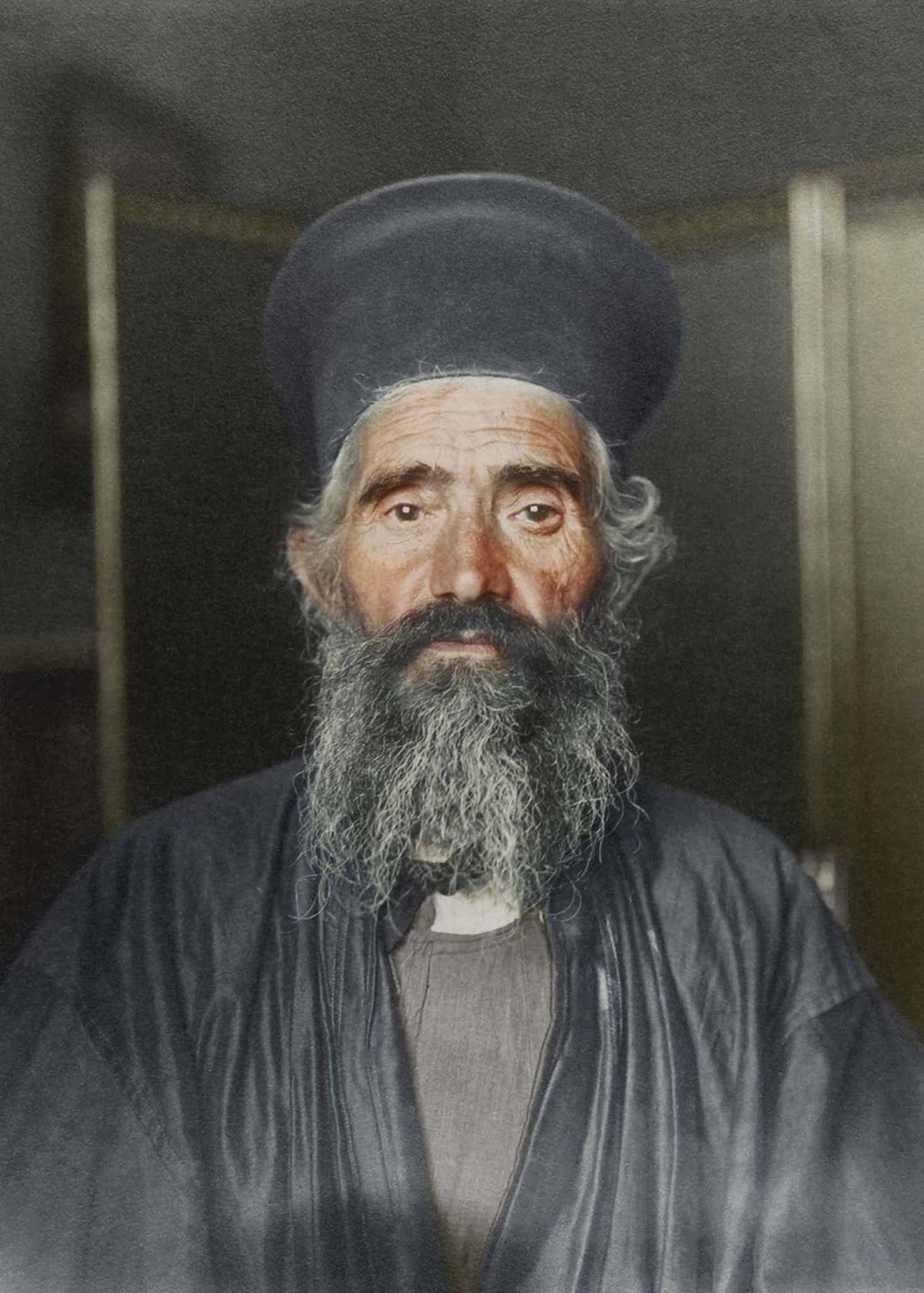
Not all of Sherman’s subjects were ordinary travelers. Rev. Joseph Vasilon arrived as a Greek Orthodox priest, wearing vestments that have remained largely unchanged for centuries. His ankle-length cassock, called an anteri — a word derived from the Turkish quzzak, the same root as the word ‘Cossack’ — was worn by all clergymen of his faith. The Albanian soldier below cut an equally striking figure.
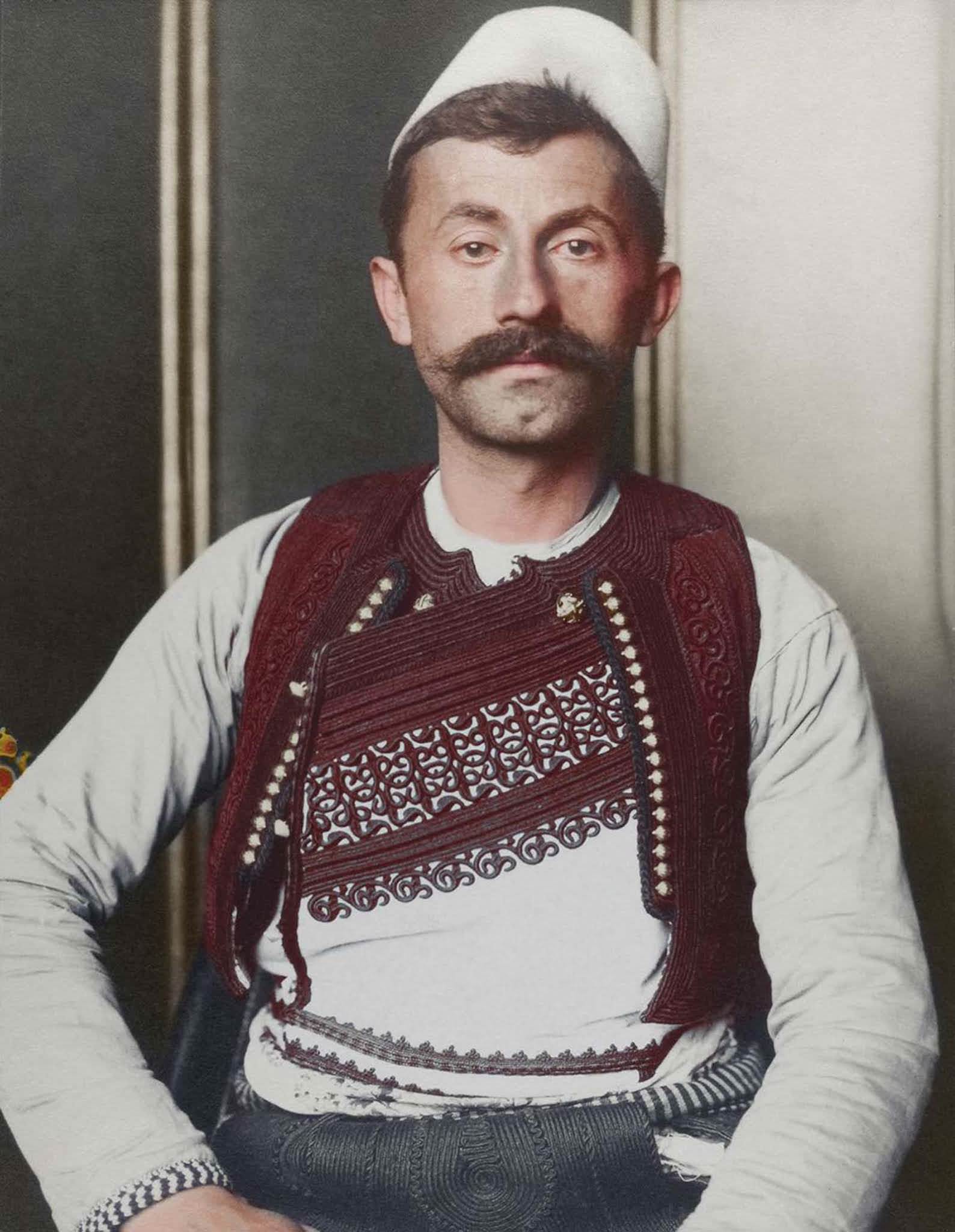
His brimless felt cap, called a qeleshe, was shaped specifically to the wearer’s head, with the form varying by region. His vest — a jelek or xhamadan — was decorated with embroidered silk or cotton braids, and its colors and patterns identified exactly where in Albania he was from. Every element of dress functioned as a kind of identity document, long before modern passports existed.
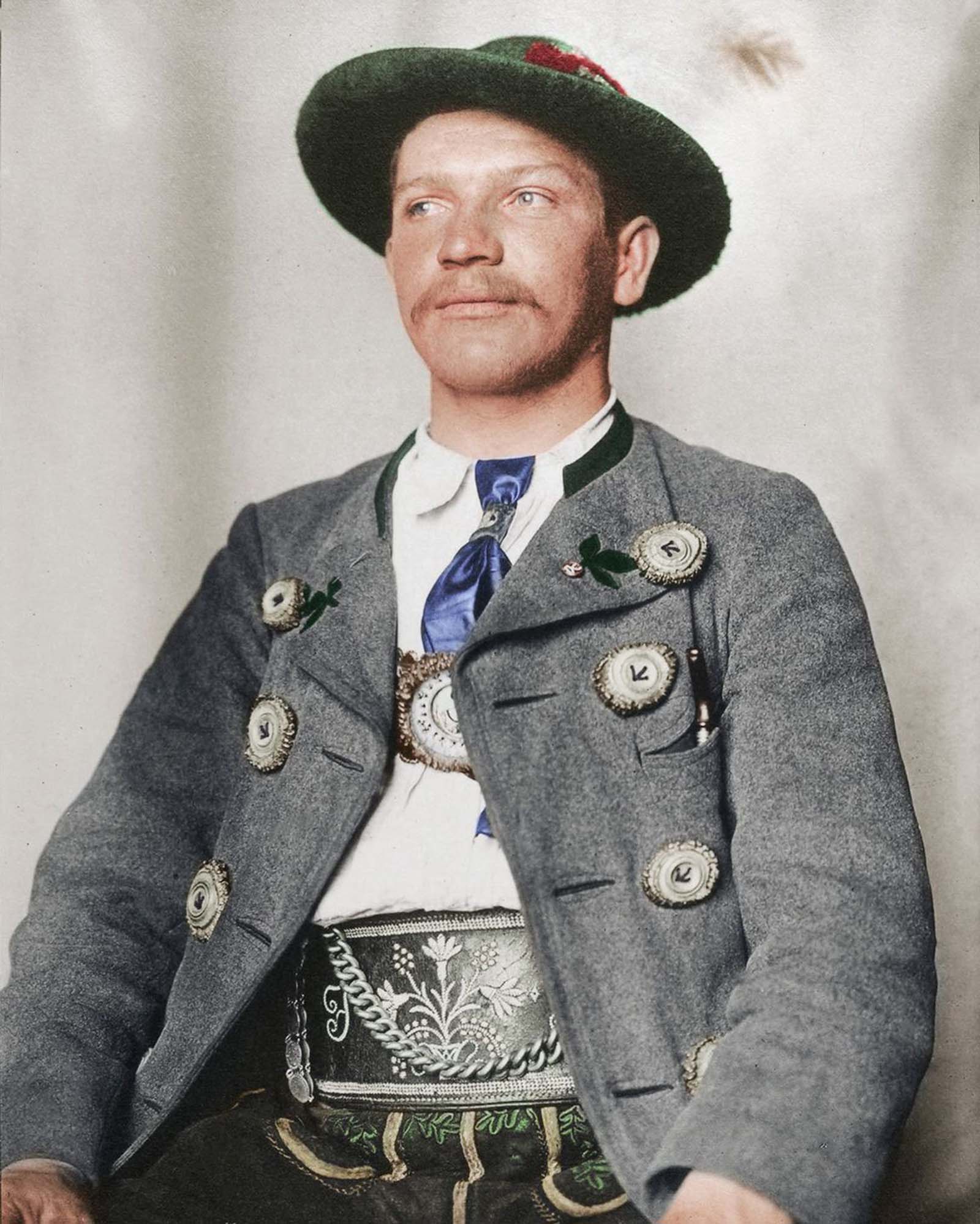
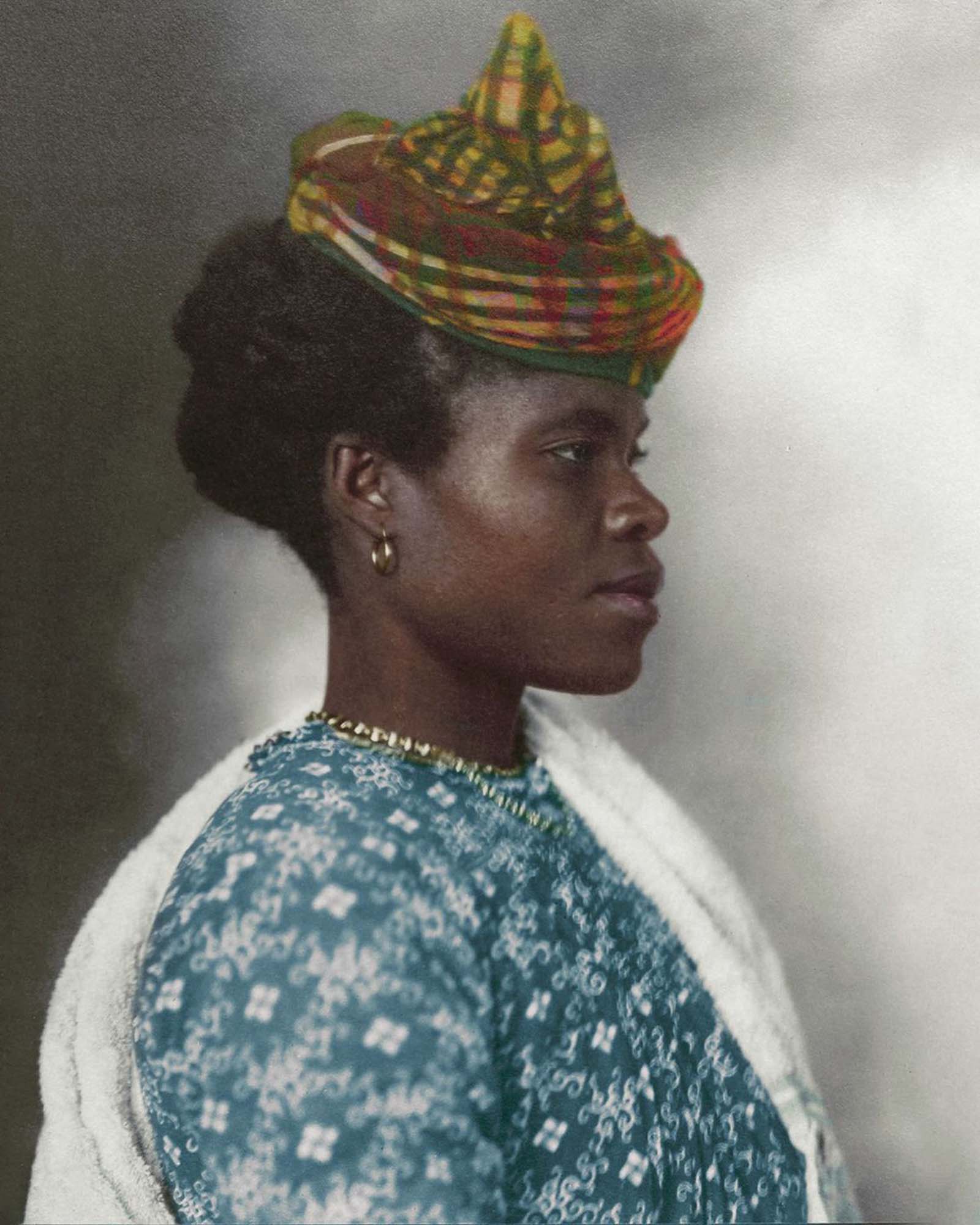
The Bavarian man’s leather breeches — Lederhosen — were standard rural wear in the alpine regions of Germany, part of a broader tradition of dress known as trachten. Each region of Germany had its own variation. The Guadeloupean woman’s elaborate tartan headpiece has a history that stretches back to the Middle Ages, tracing its origins to Madras, a city in eastern India once famous for its cotton production. The fabric made its way across trade routes and eventually became part of Caribbean dress traditions.
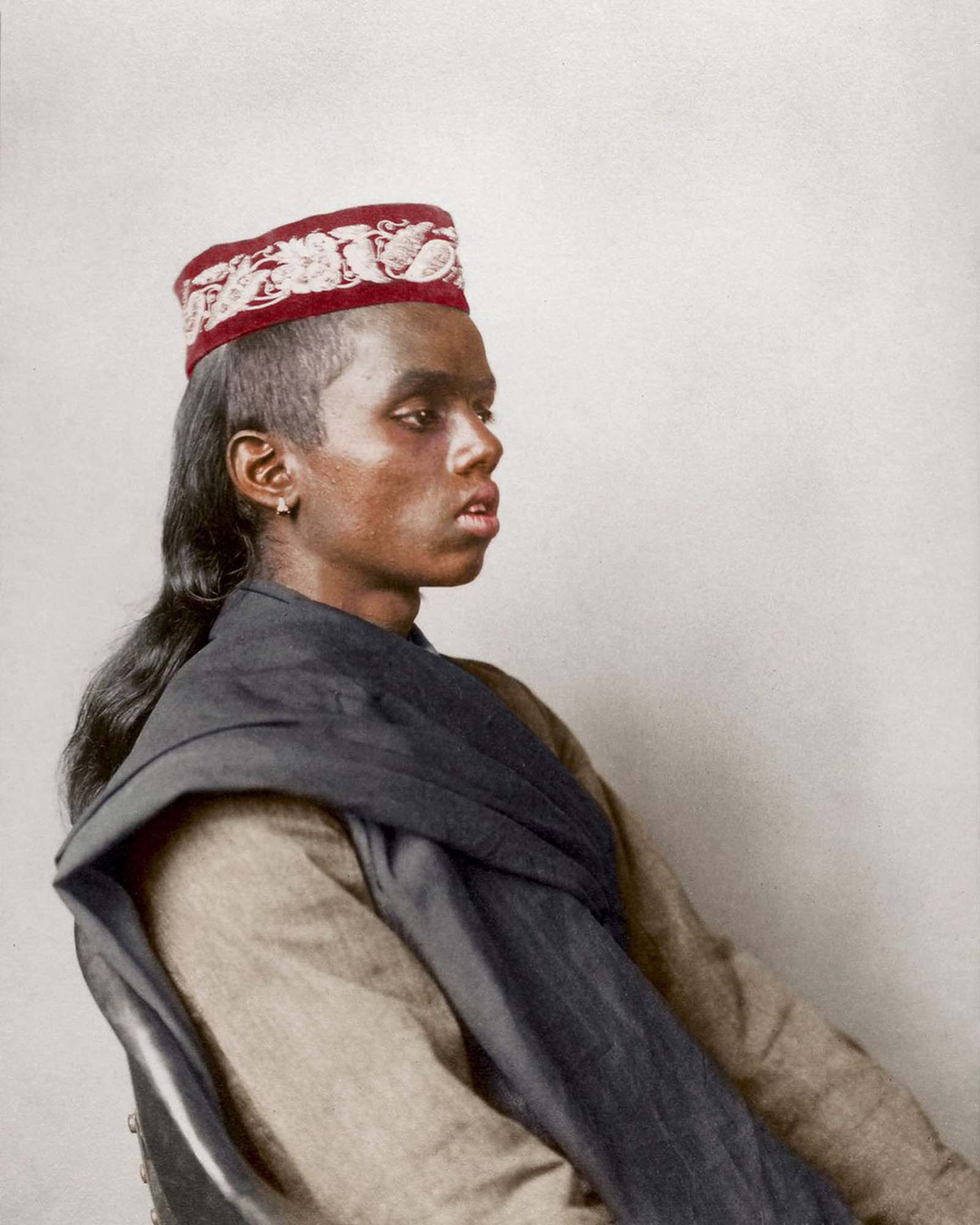
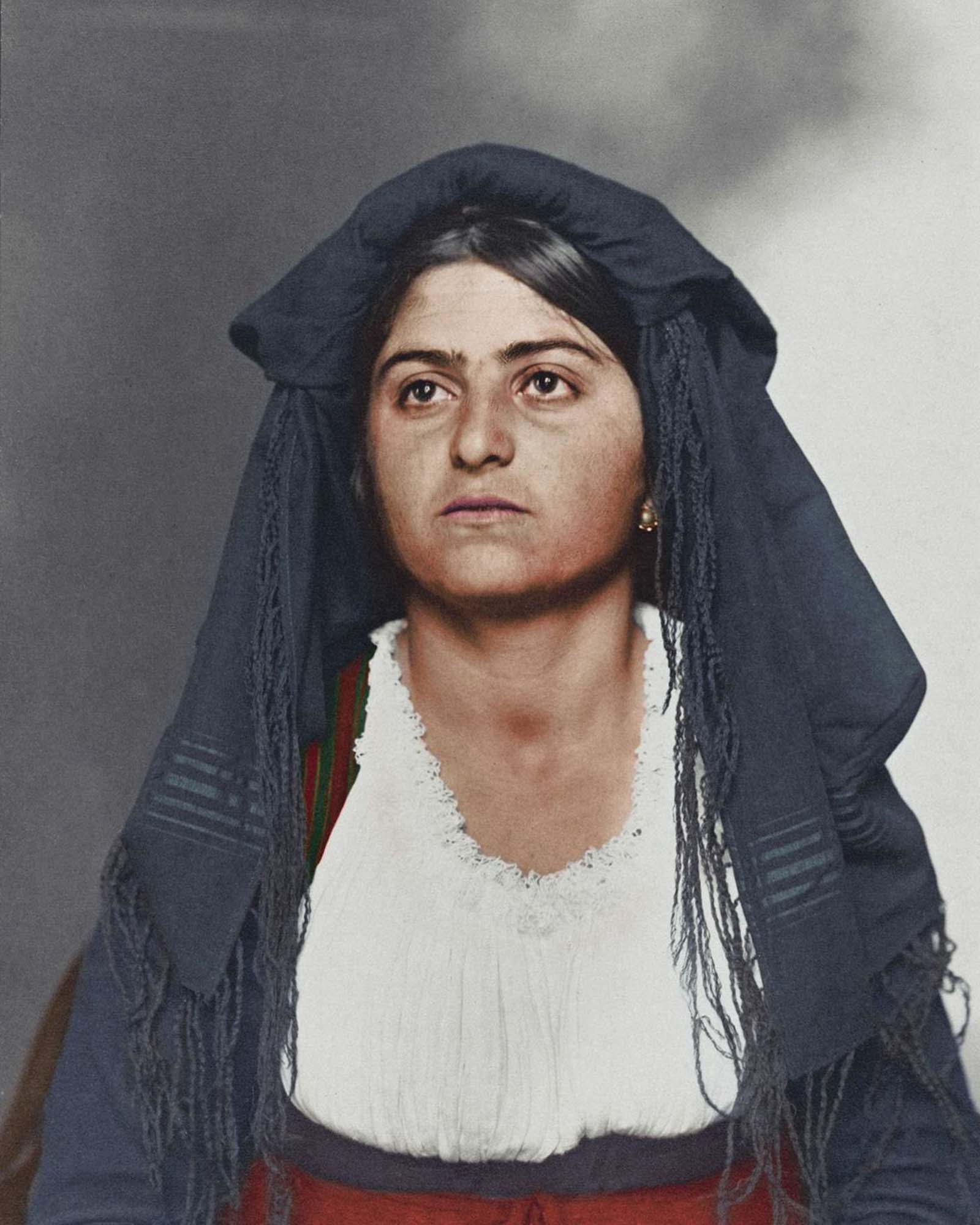
The boy from the Indian subcontinent wore a topi — a cap worn across the region with distinct cultural weight, particularly in Muslim communities where it is called a taqiyah. His cotton khadi and prayer shawl were almost certainly handspun. The Italian woman’s dress was also likely homespun: a long, wide garment covering the ankles, with a bodice and sleeves tied to expose portions of a linen blouse beneath. Colors and fabrics varied by region across Italy.
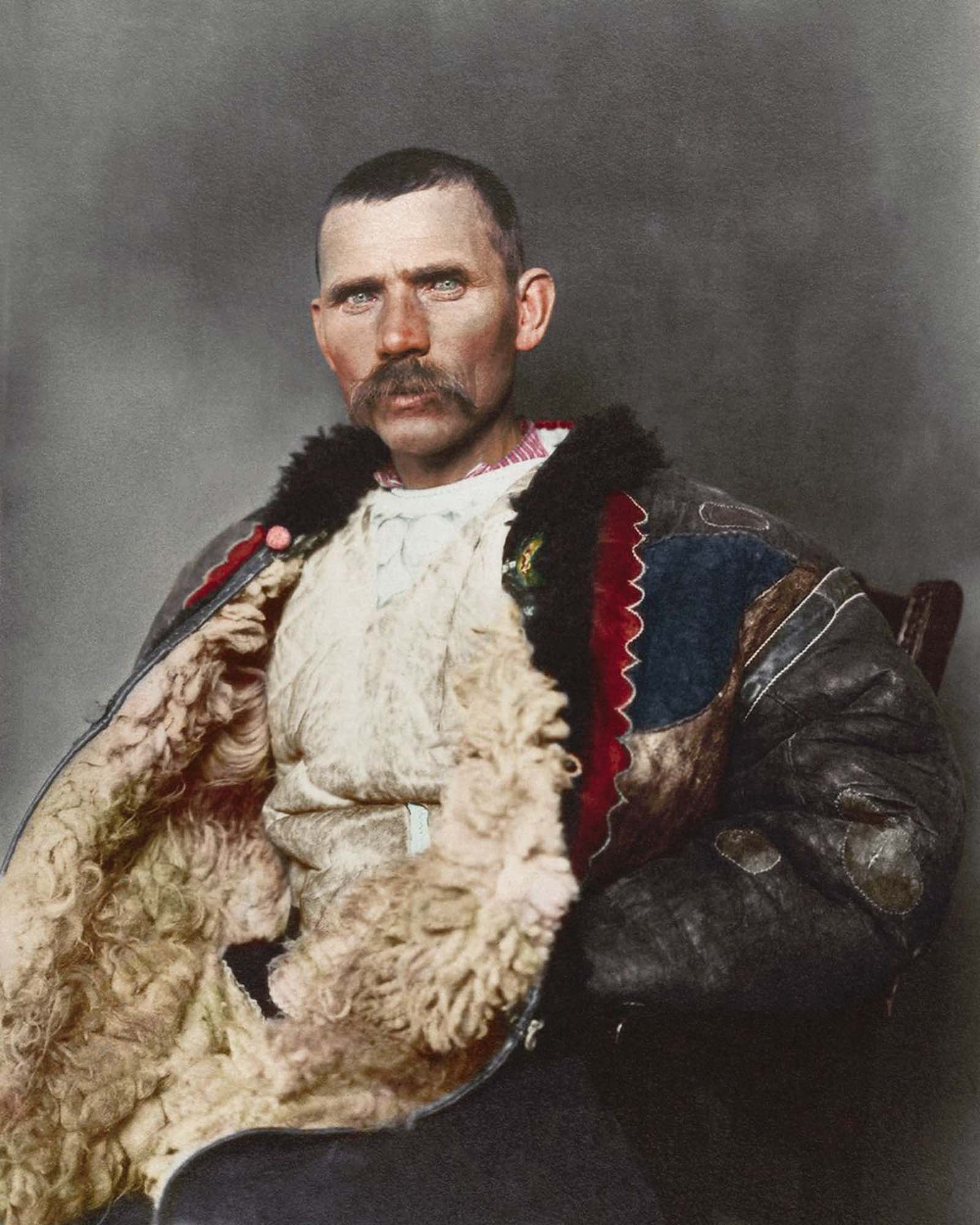
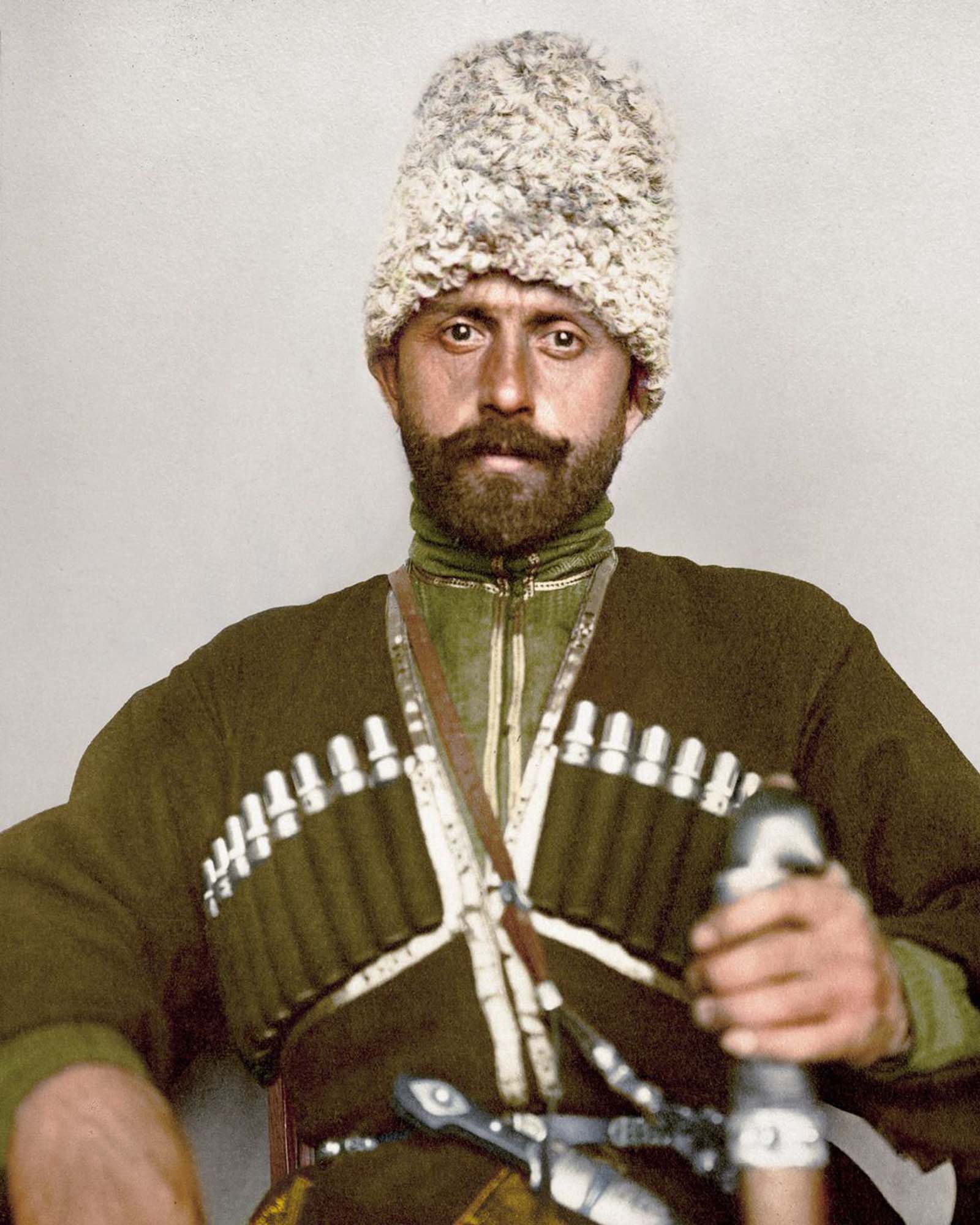
The Romanian shepherd’s portrait is dominated by his sarică — a cloak made from three or four sheepskins sewn together with the fleece facing outward, reaching below the knee. It served as both a coat and, when outdoors overnight, a pillow. Compare that to the Cossack man below, who arrived in the uniform of a military class that had, by the early 1900s, evolved into border guards and police. A Cossack soldier was required to furnish his own arms, horses, and uniform at his own cost.
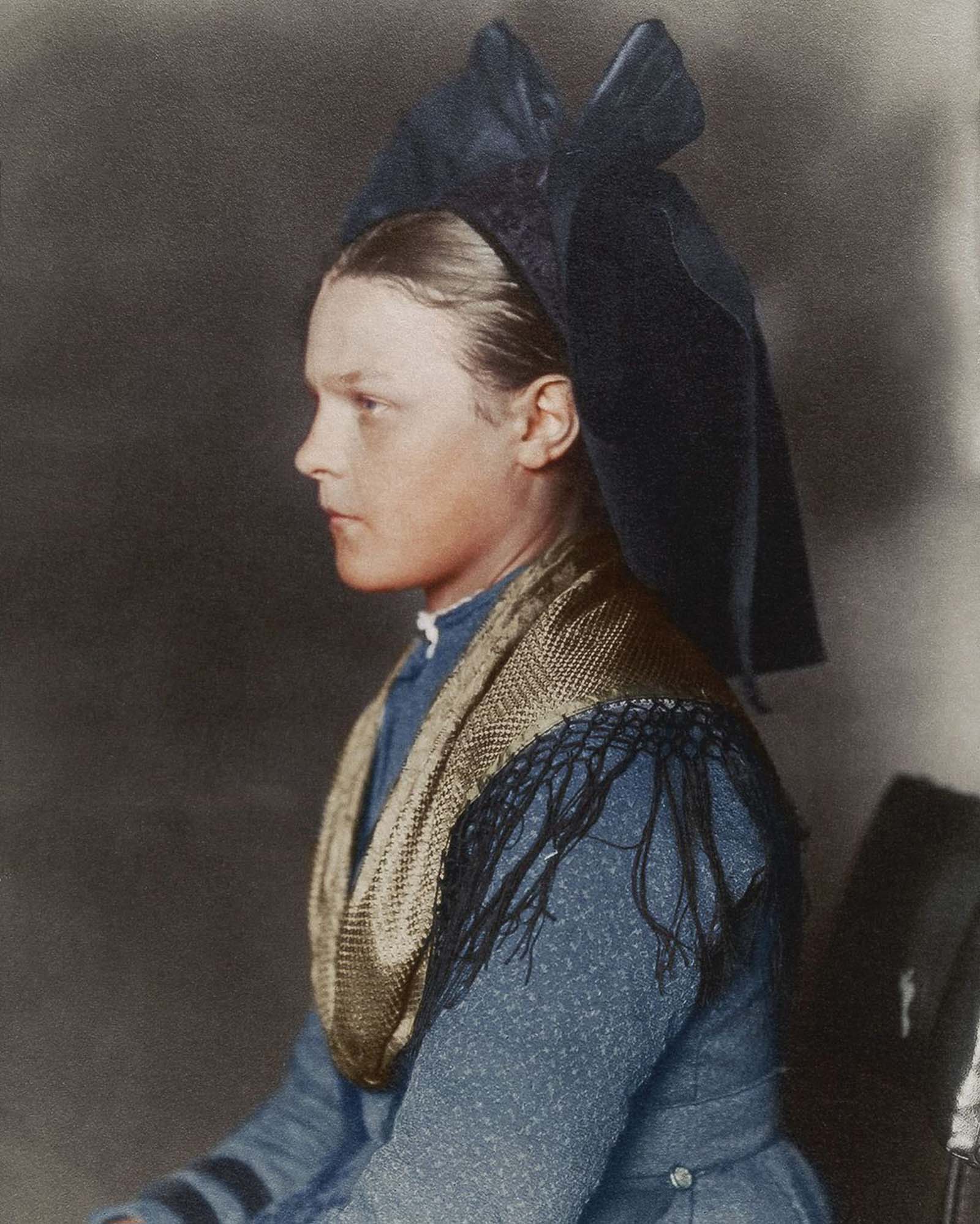
The girl from Alsace-Lorraine — a Germanic-speaking region now part of modern France — wore a large bow called a schlupfkàpp. The bow was more than decoration: it identified the wearer as unmarried and signaled her religion. Protestants wore black bows, while Catholics chose brightly colored ones. Sherman photographed her in 1906, one of the earliest years of his documented work at the station.
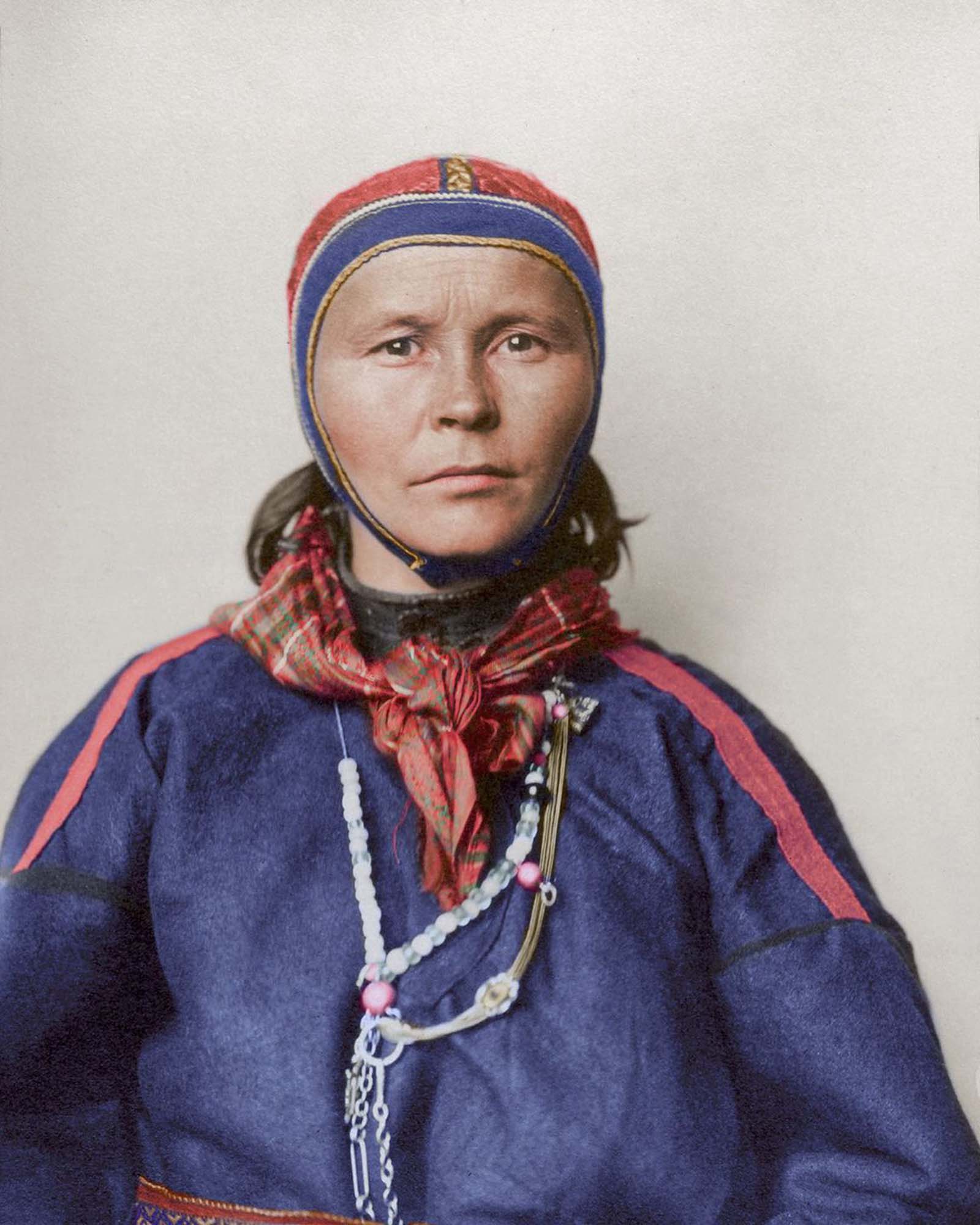
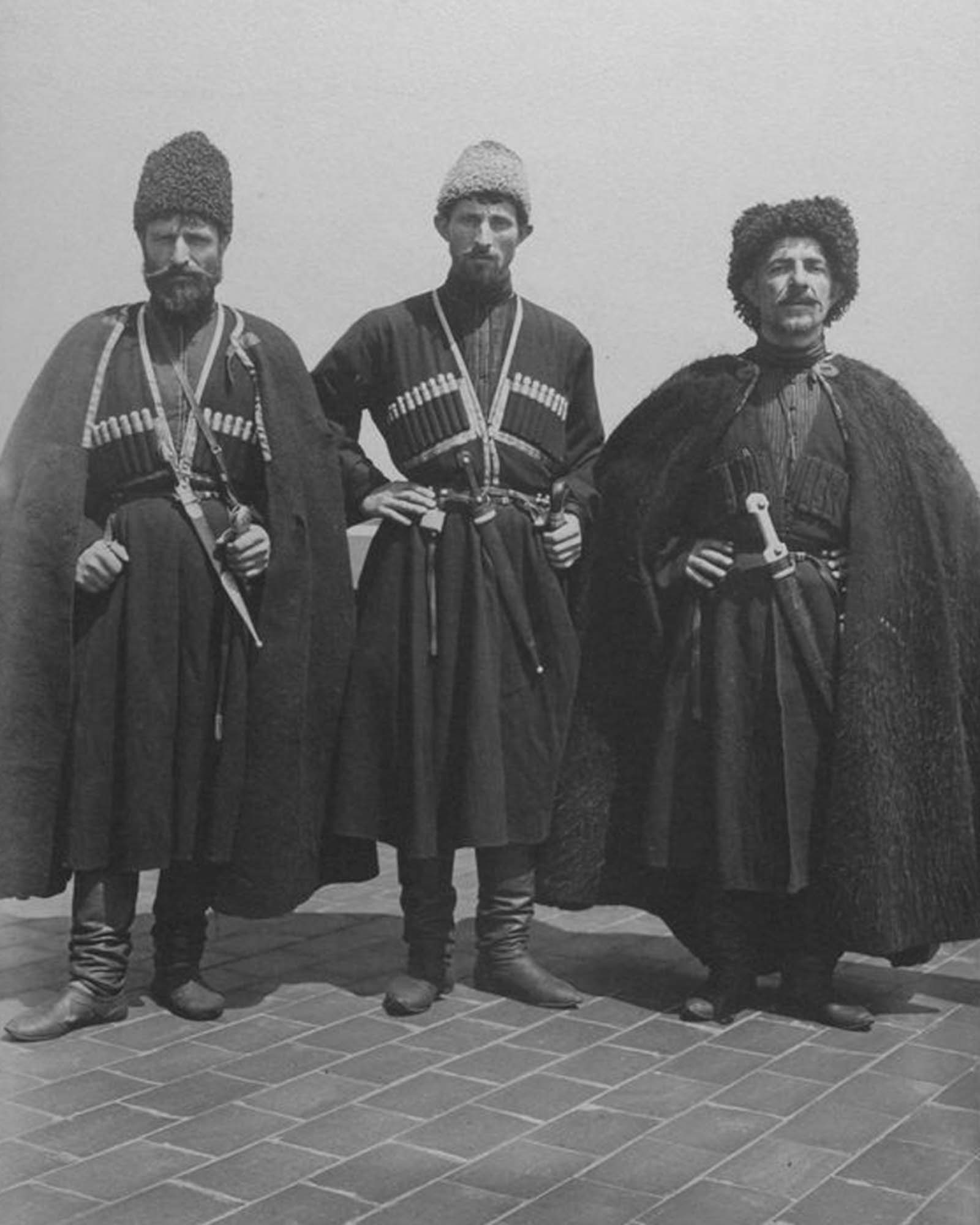
The Sámi person — identified in Sherman’s records as a Laplander — wore a gákti, the traditional costume of the Sámi people who inhabit the Arctic regions from northern Norway to Russia’s Kola Peninsula. Made from reindeer leather, wool, velvet, and silk, the typically blue pullover was one of the garment’s most recognizable features. The Russian Cossacks photographed in 1906 present a sharp contrast — soldiers of empire arriving at the gate of a new world.
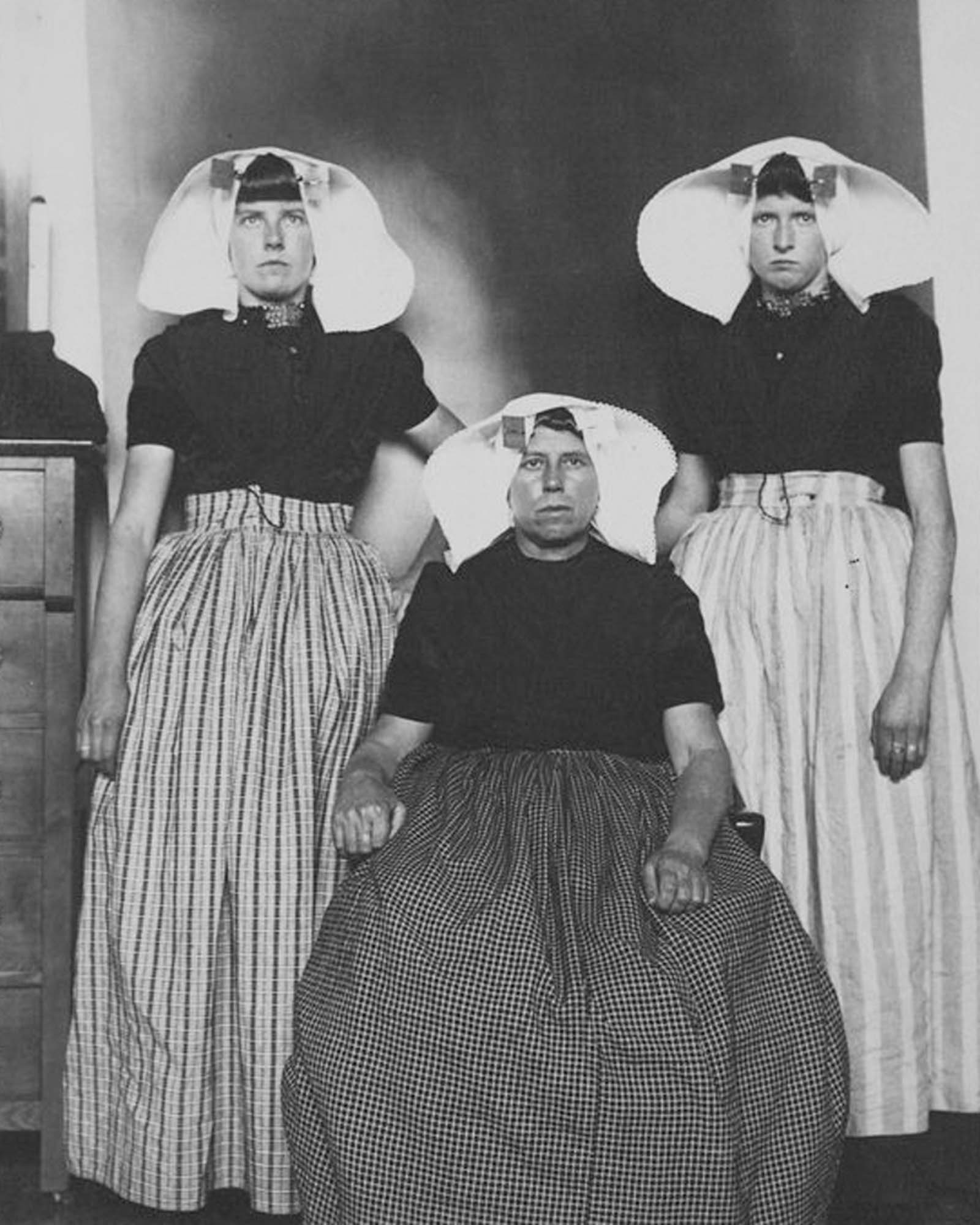
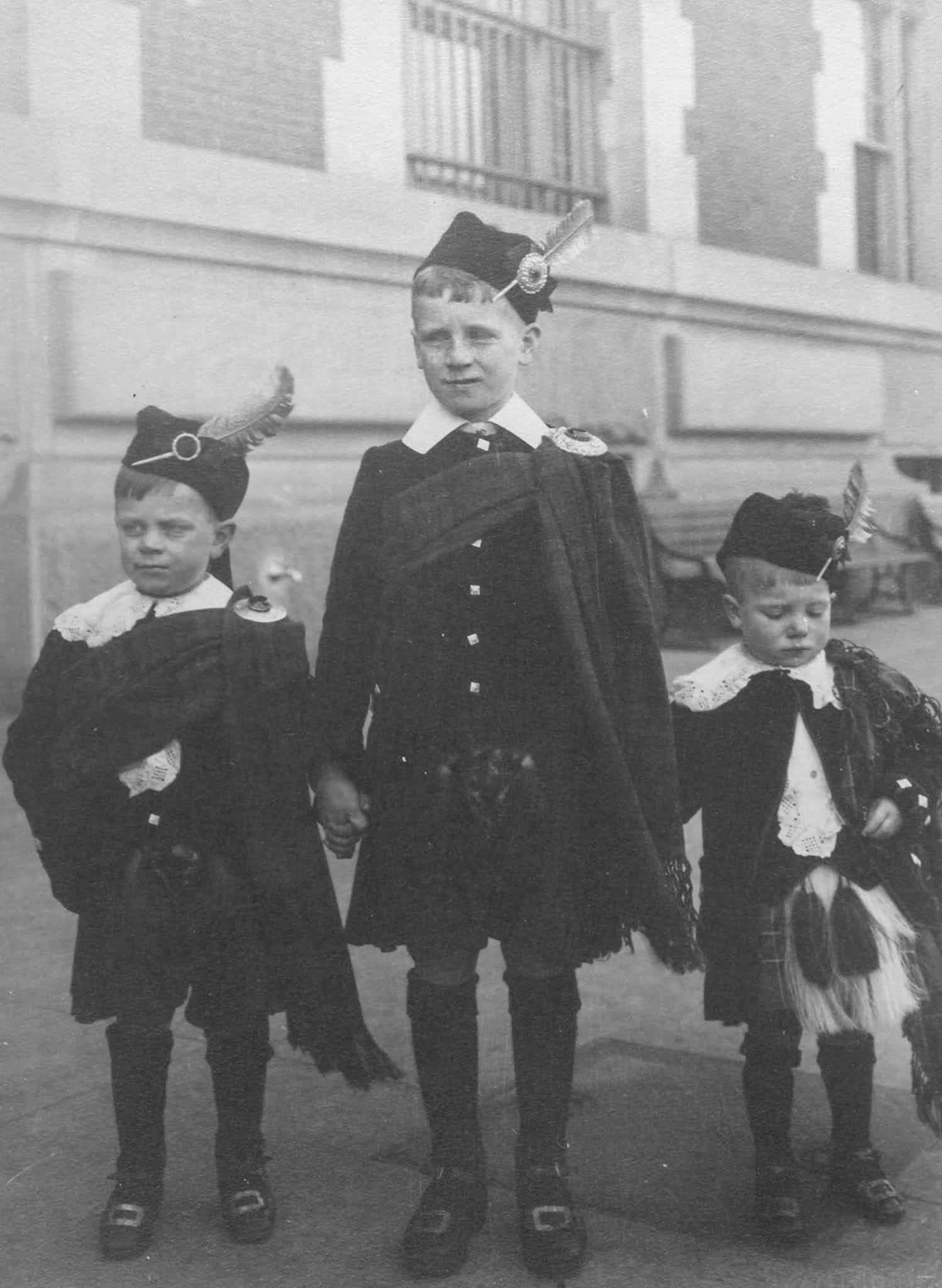
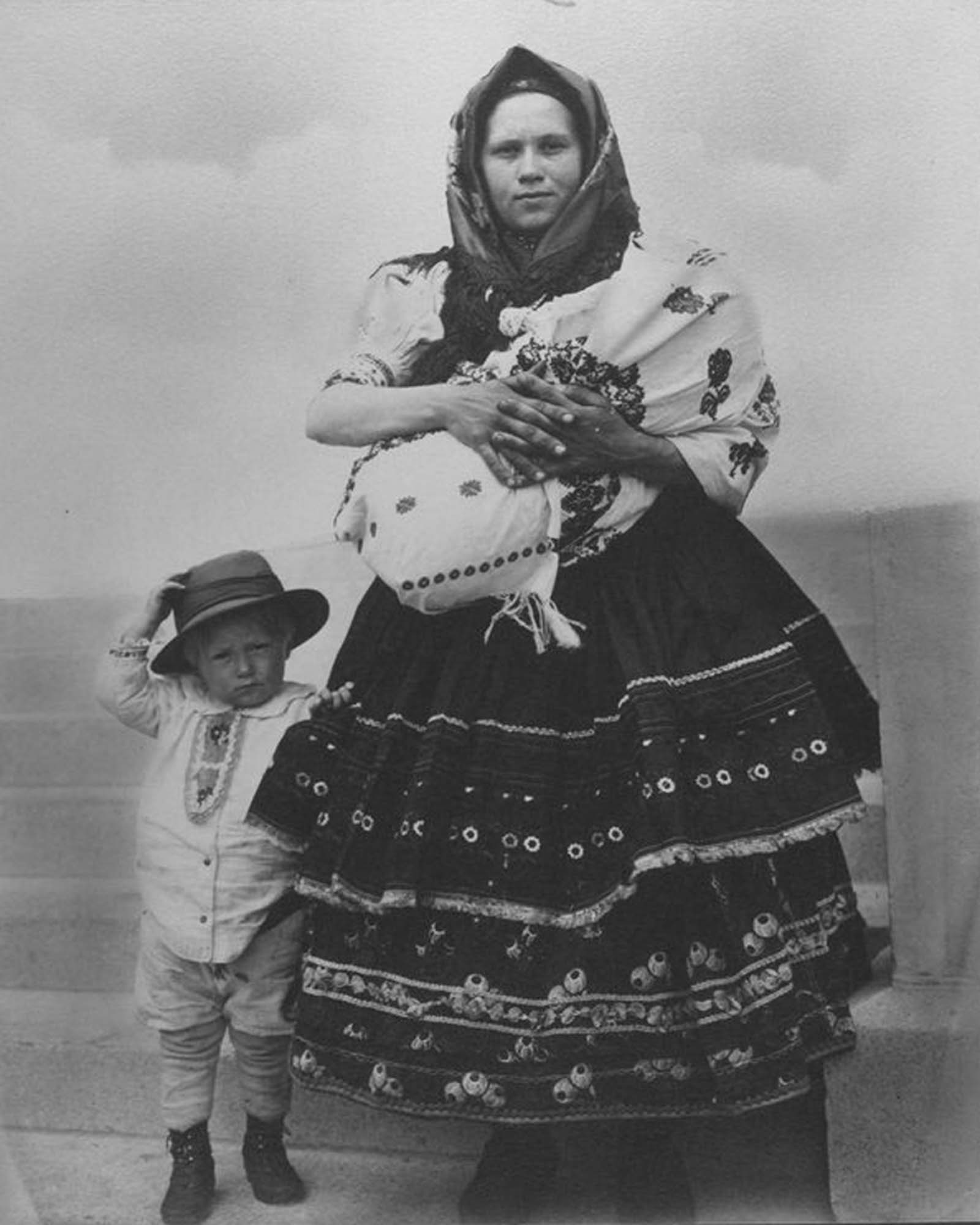
By 1910, Sherman’s photographs were capturing entire family groups and small communities arriving together. Three Dutch women posed in their distinctive regional dress. Scottish boys stood in their tartan. A Slovak woman arrived with her children beside her. These were not solo journeys for most — families and neighbors often traveled together, pooling resources and courage for the crossing.
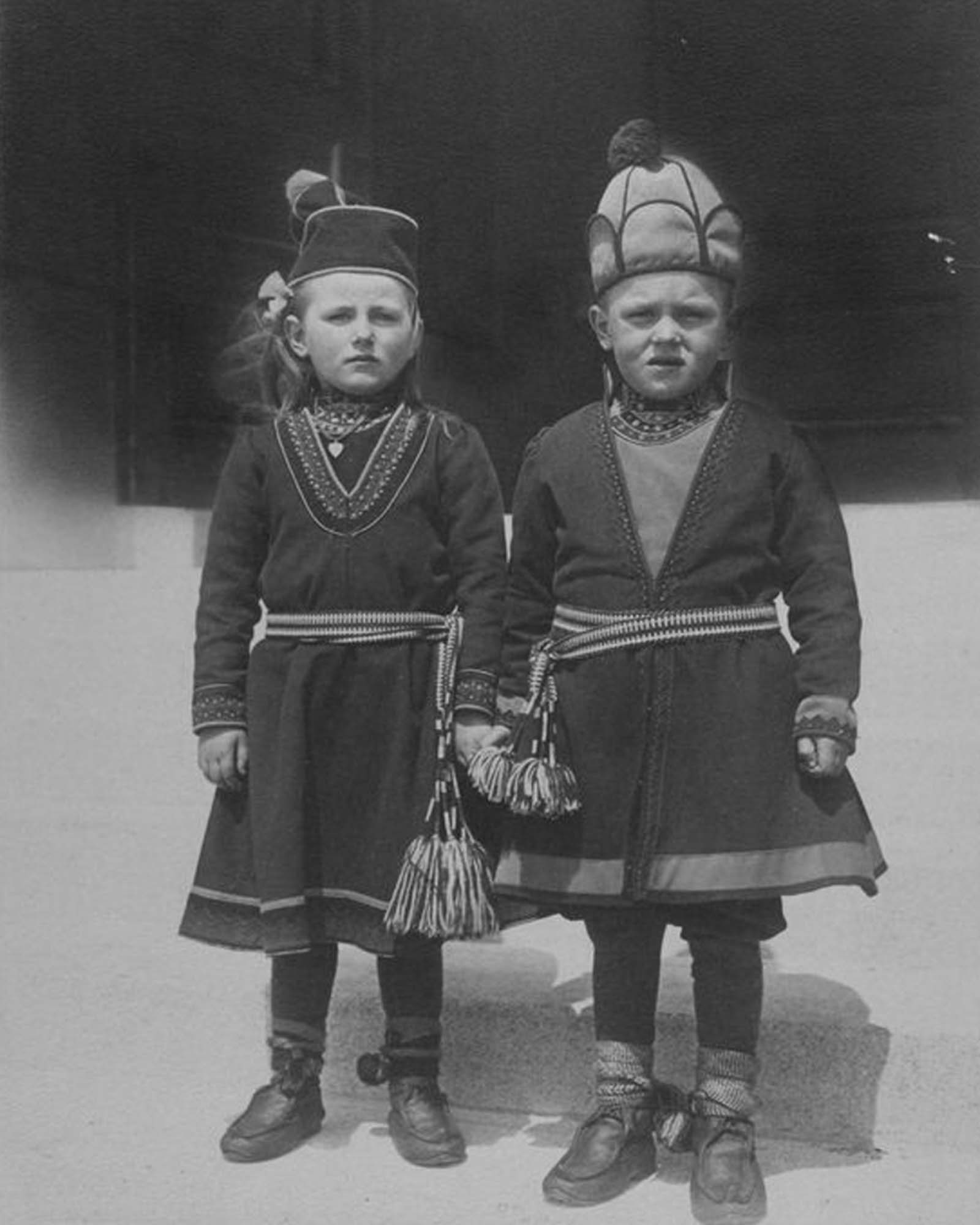
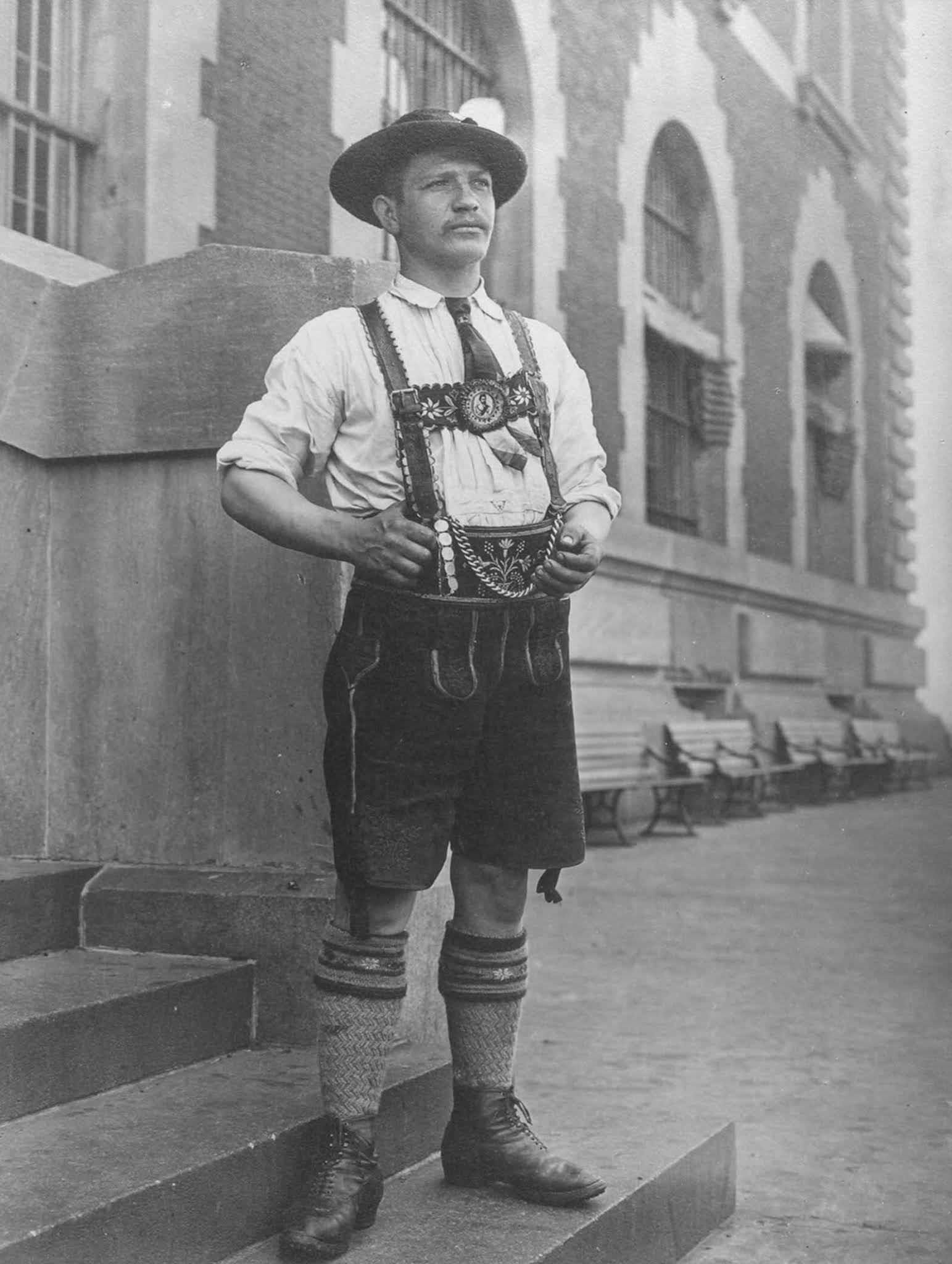
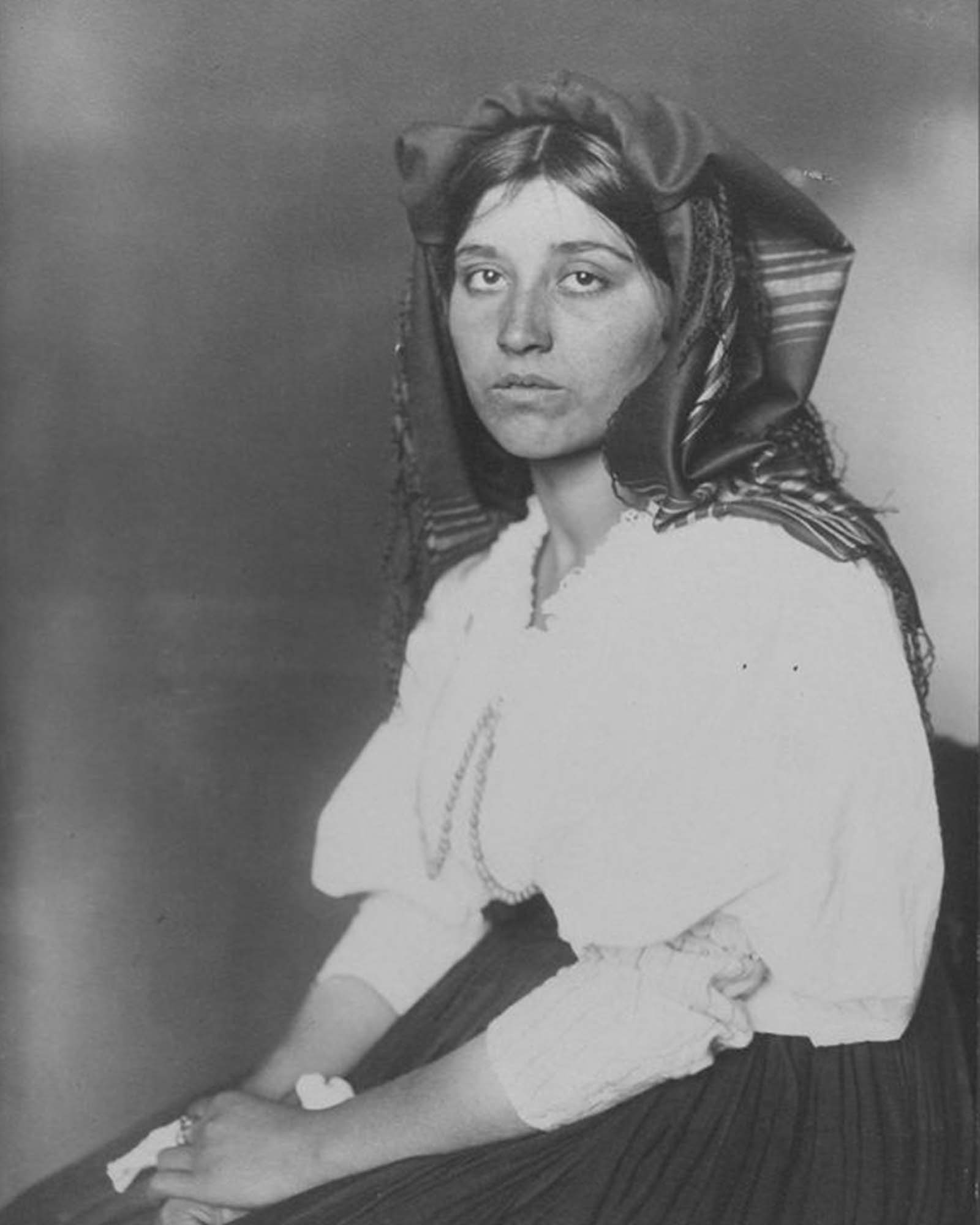
Children from Lapland — possibly from Sweden — arrived in 1910 still dressed in their Arctic traditional clothing, far from the cold they knew. Another Bavarian man, photographed the same year, stood in his trachten. The Italian woman captured in 1906 wore the layered homespun dress typical of her region, her shawl draped in the style common across southern Europe.
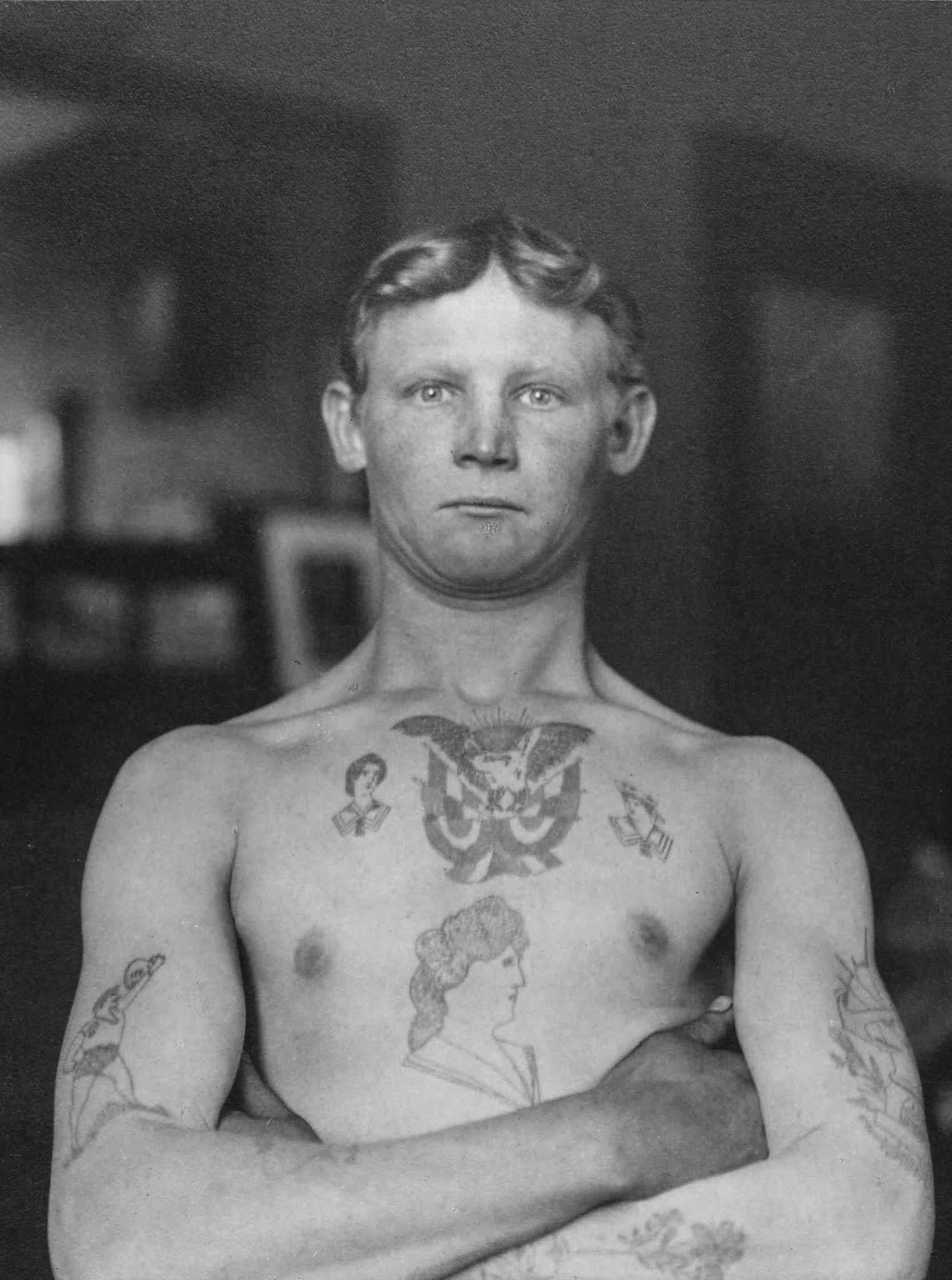
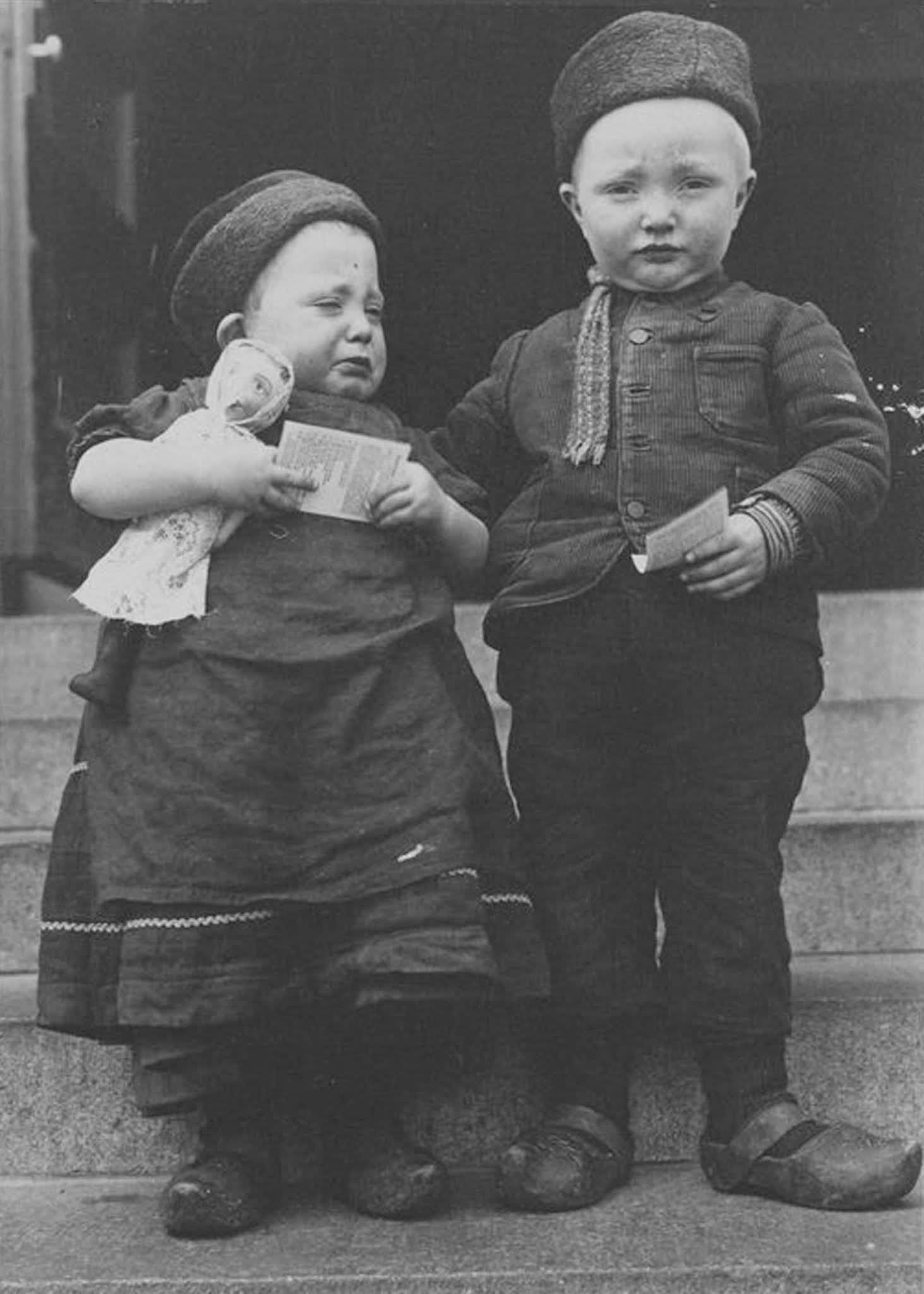
Not everyone at Ellis Island arrived with legal passage. In 1911, Sherman photographed a German stowaway — someone who had hidden aboard a ship to cross the Atlantic without paying for passage. Stowaways faced immediate detention and deportation proceedings upon discovery. Dutch children photographed in 1910 present a very different scene: young faces in traditional bonnets and dress, waiting to begin a new life.
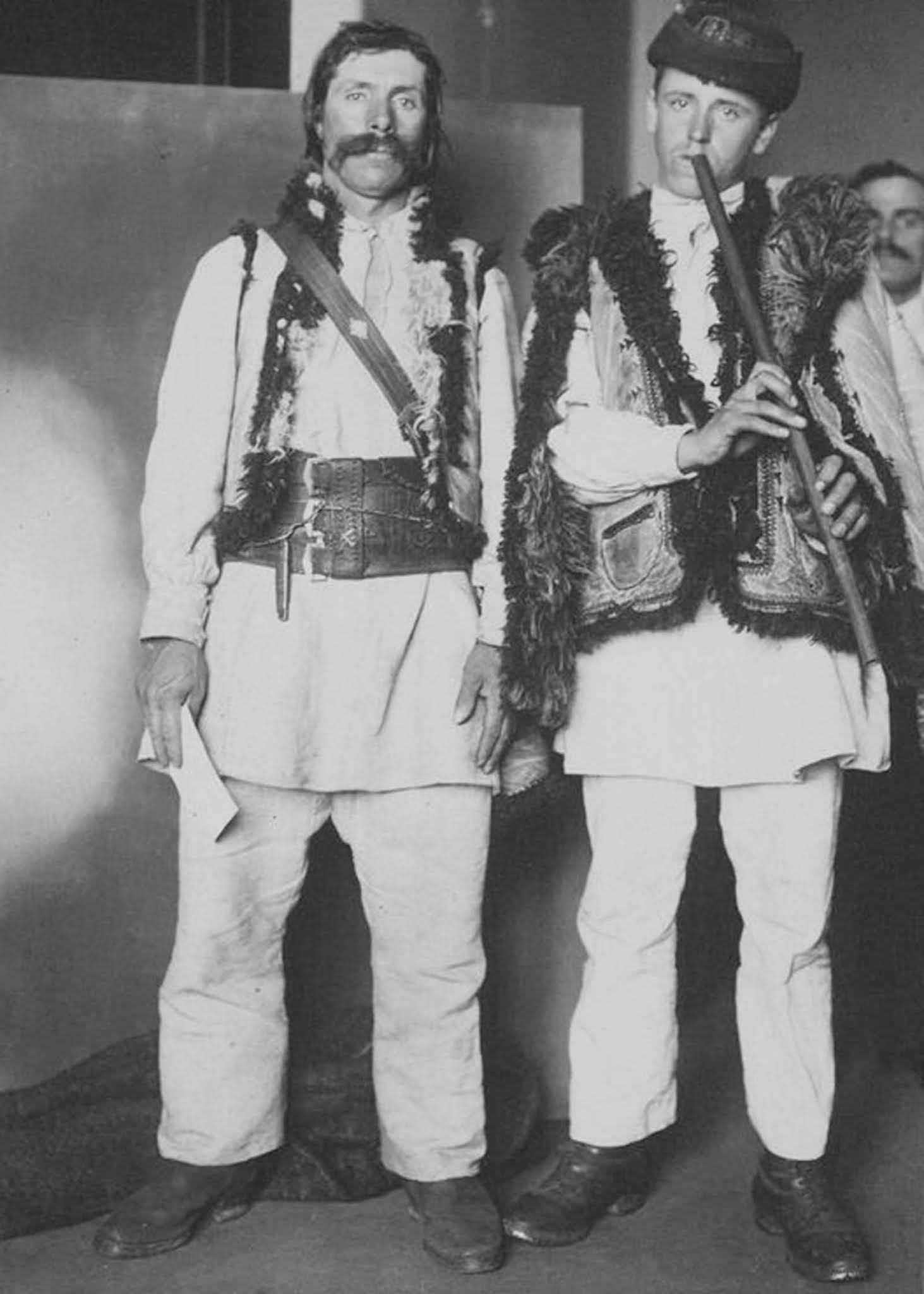
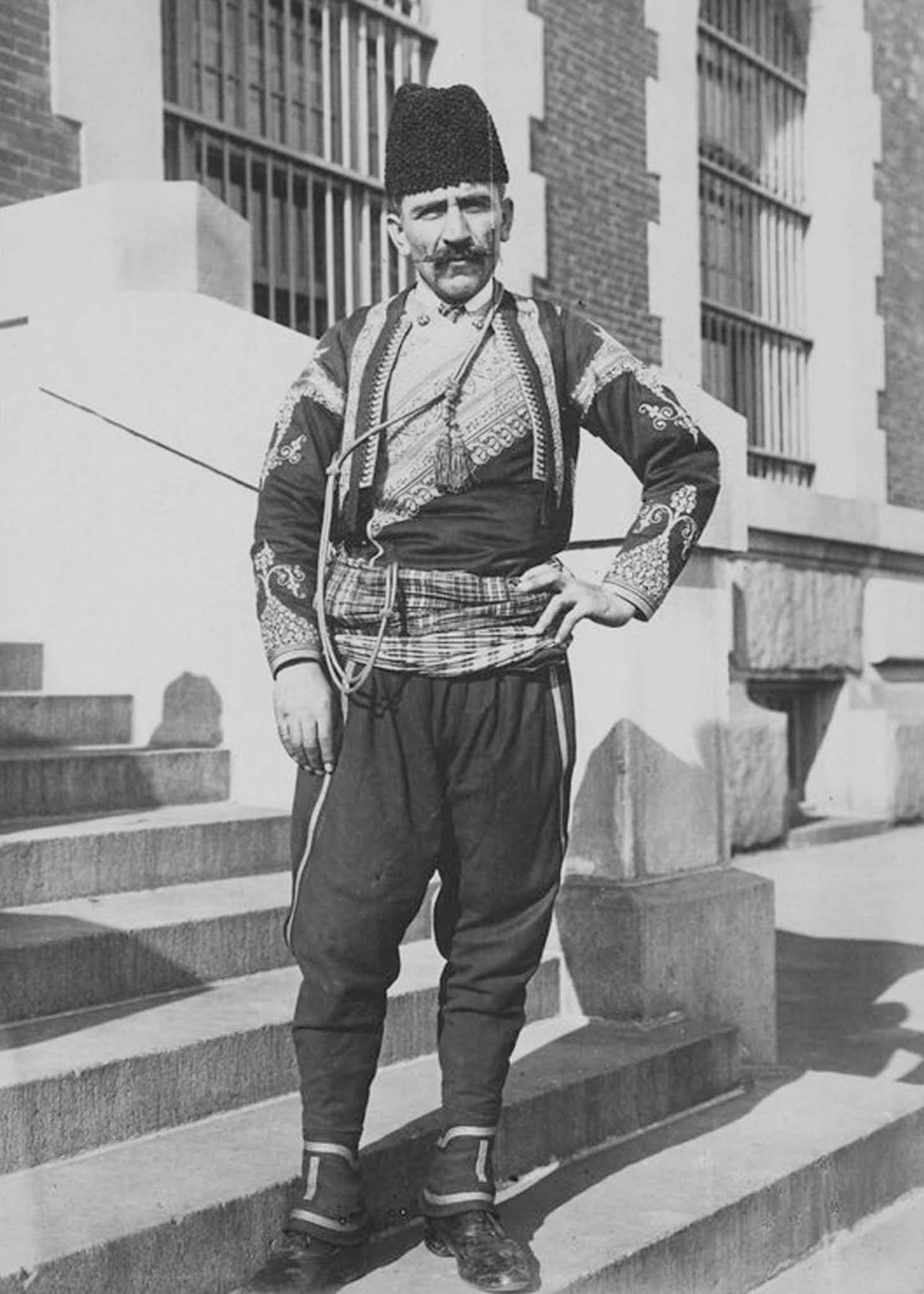
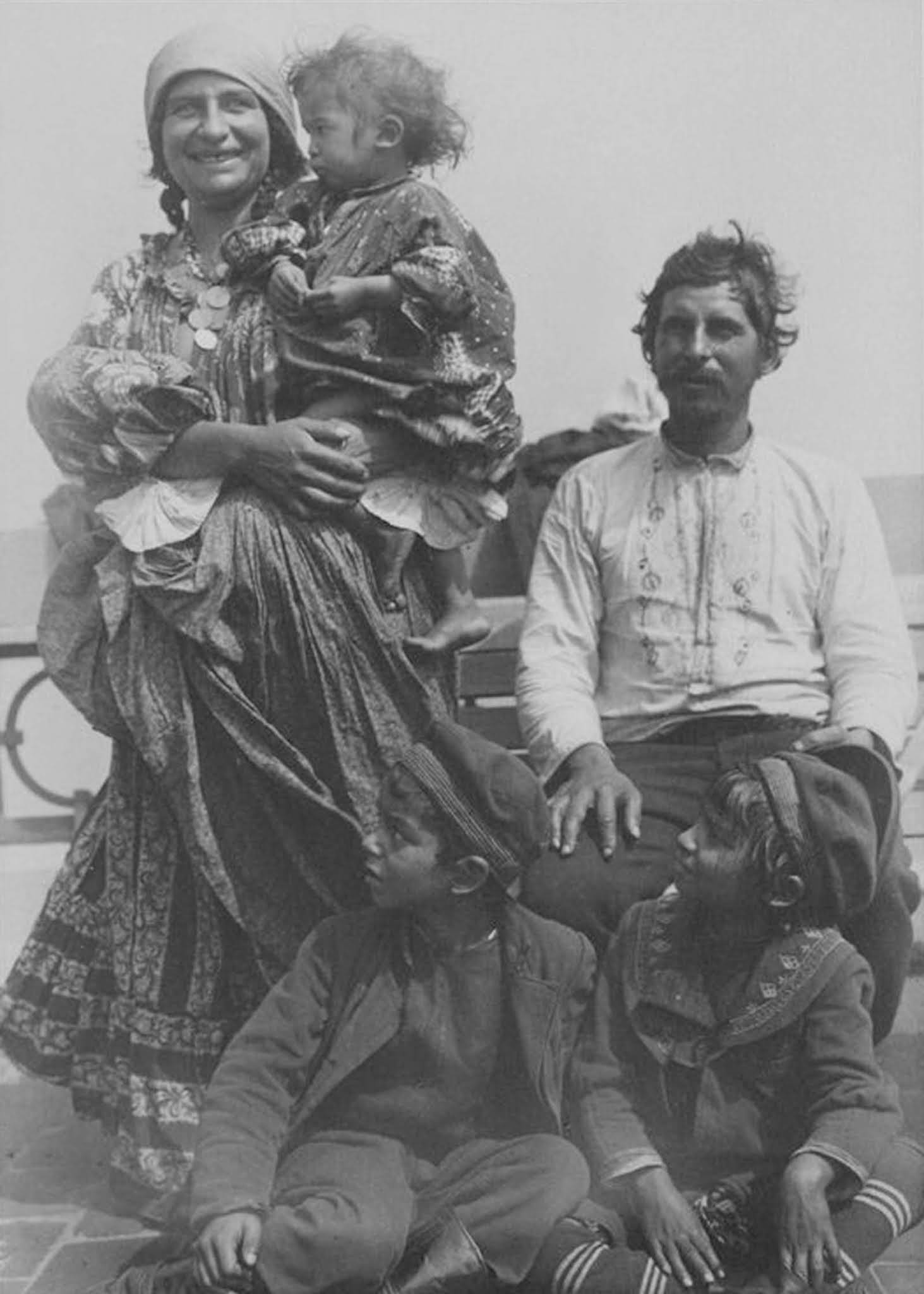
Pipers arrived in 1910, their instruments as much a part of their identity as their clothing. A Turkish man photographed in 1912 represented the reach of Sherman’s work — immigrants were arriving from across Europe, the Middle East, North Africa, and beyond. A Romani family, photographed in 1910, sat for Sherman’s camera, their presence a reminder that Ellis Island processed people from nearly every corner of the world.
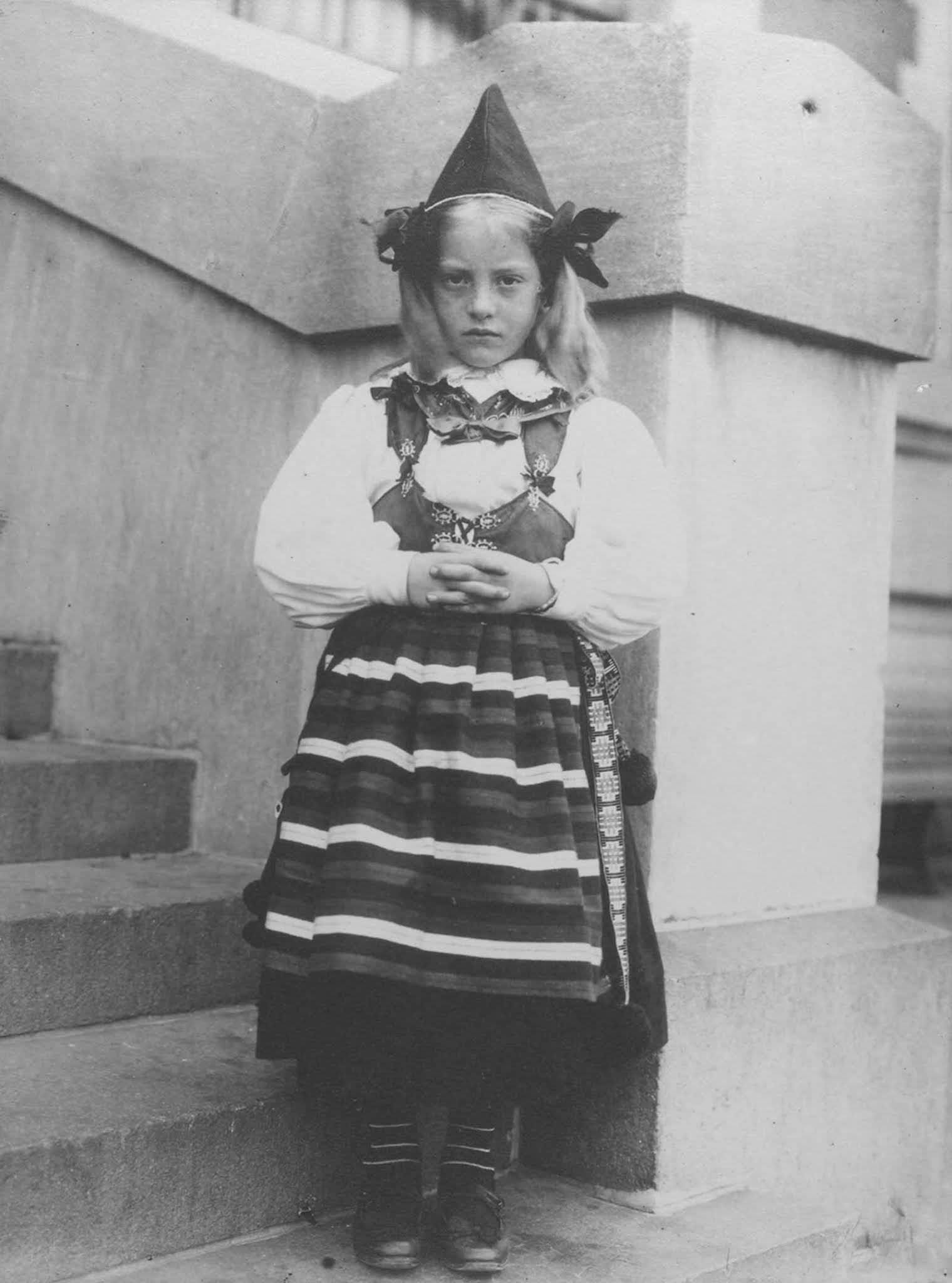
A girl from Rättvik, in the Swedish province of Dalarna, was photographed in 1910. She wore the regional dress of her home — specific enough that Sherman recorded not just her country but her exact province. That level of detail is what makes his archive so valuable. Each portrait is a precise record of a person at a specific moment, dressed in clothing that carried centuries of history, standing at the threshold of an entirely new one.